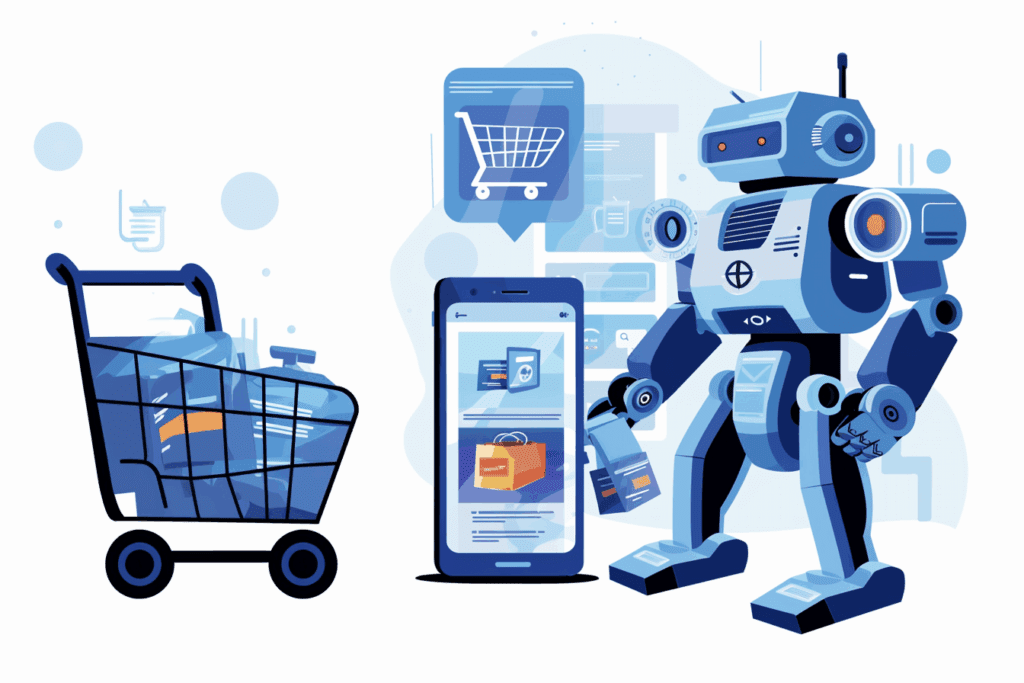

Online shopping has transformed the way people buy products, but it has also raised expectations for immediate, effective help. Today’s consumers want answers in seconds, not hours. As a result, ai in customer support has become a cornerstone for e-commerce businesses seeking to deliver rapid, reliable service. By leveraging artificial intelligence, online retailers can resolve issues, answer questions, and guide shoppers more efficiently than ever before.
This guide explores how artificial intelligence is reshaping digital customer service, from chatbots to automated ticketing, and why it matters for both shoppers and businesses. We’ll also highlight practical steps for integrating these technologies and maximizing their benefits. For those interested in related innovations, see how ai product recommendation systems are driving repeat purchases in online retail.
How Artificial Intelligence Is Transforming Digital Customer Service
The adoption of ai in customer support is accelerating across the e-commerce sector. Intelligent systems are now handling a wide range of customer interactions, from answering basic product questions to resolving complex order issues. These advancements are not just about automation—they’re about delivering a seamless, personalized experience that meets the demands of today’s online shoppers.
AI-driven support tools can analyze customer queries, understand intent, and provide relevant responses in real time. This reduces wait times, minimizes human error, and ensures that shoppers receive consistent information. For businesses, this means fewer abandoned carts and higher customer satisfaction.

Key Benefits of AI-Powered Support for Online Retailers
Integrating artificial intelligence into customer care brings several advantages for online stores:
- 24/7 Availability: AI-powered chatbots and virtual assistants never sleep, providing instant help at any hour.
- Faster Response Times: Automated systems can handle multiple queries simultaneously, reducing wait times for shoppers.
- Personalized Assistance: By analyzing purchase history and browsing behavior, AI can tailor recommendations and solutions to each customer.
- Cost Efficiency: Automating routine inquiries allows human agents to focus on more complex issues, optimizing operational costs.
- Scalability: AI systems can easily handle spikes in demand, such as during holiday sales or special promotions.
These benefits translate into higher conversion rates and improved customer loyalty. For more on how technology can boost sales, explore our article on how ai boosts sales conversion for online retailers.
Popular AI Tools and Techniques in E-Commerce Support
The landscape of ai in customer support is rich with innovative tools that streamline the shopping experience. Here are some of the most impactful technologies:
- Chatbots: These automated agents handle common questions, provide order updates, and even assist with returns or exchanges.
- Virtual Assistants: More advanced than basic chatbots, virtual assistants can process natural language, understand context, and escalate issues when needed.
- Automated Ticketing Systems: AI can categorize and prioritize support tickets, ensuring urgent issues are addressed promptly.
- Sentiment Analysis: By analyzing customer messages, AI can detect frustration or satisfaction and adjust responses accordingly.
- Recommendation Engines: AI-driven suggestions help shoppers find products they’re likely to love, enhancing both support and sales. Learn more about recommendation engines for online stores and their impact on conversions.

Implementing AI Solutions: Steps for E-Commerce Businesses
Adopting artificial intelligence in your support operations doesn’t have to be overwhelming. Here’s a step-by-step approach for online retailers:
- Assess Your Needs: Identify the most common customer issues and determine which can be automated.
- Choose the Right Tools: Select AI platforms that integrate with your existing systems and align with your business goals.
- Train Your AI: Use historical customer data to train your chatbots and virtual assistants for accurate, relevant responses.
- Monitor and Optimize: Continuously review performance metrics and customer feedback to refine your AI solutions.
- Blend Human and AI Support: Ensure a smooth handoff to human agents for complex or sensitive issues.
For businesses looking to further personalize the shopping journey, our guide on ai personalization for shopping sites offers additional strategies.
Challenges and Considerations When Using AI in Customer Care
While the benefits are significant, there are important factors to consider when deploying artificial intelligence in customer-facing roles:
- Maintaining a Human Touch: Not all issues can be solved by automation. Customers still value empathy and nuanced understanding.
- Data Privacy: Handling customer data responsibly is crucial for trust and compliance with regulations.
- Continuous Improvement: AI systems require ongoing training and updates to adapt to changing customer needs and language.
- Integration Complexity: Ensuring seamless communication between AI tools and other business systems can be technically challenging.
Addressing these challenges is essential for maximizing the value of AI-driven support and maintaining customer trust.
Future Trends: What’s Next for AI and Online Shopping Support?
The evolution of ai in customer support is far from over. As technology advances, we can expect even more sophisticated solutions, such as predictive assistance that anticipates customer needs before they arise, and AI agents capable of handling complex, multi-step transactions.
According to recent research from McKinsey, AI agents are poised to usher in a new era for both consumers and merchants, making commerce more efficient and personalized. As these technologies mature, online retailers who invest early will be well positioned to meet rising customer expectations and stand out in a crowded market.
For those interested in forecasting trends and staying ahead of the curve, our article on predictive analytics for ecommerce explores how data-driven insights can shape future strategies.
FAQ: AI and Customer Support for Online Shoppers
How does AI improve response times for online shoppers?
Artificial intelligence enables instant replies to customer queries through chatbots and automated messaging. By handling multiple requests simultaneously and providing accurate information, AI dramatically reduces the time shoppers spend waiting for help.
Can AI-powered support handle complex customer issues?
While AI excels at managing routine questions and simple problems, more complex or sensitive issues may still require human intervention. The best systems use AI to triage and resolve common cases, while seamlessly escalating more difficult matters to trained agents.
Is customer data safe when using AI in support roles?
Most reputable AI platforms are designed with strong data privacy and security measures. However, it’s important for businesses to choose solutions that comply with relevant regulations and to be transparent with customers about how their data is used.