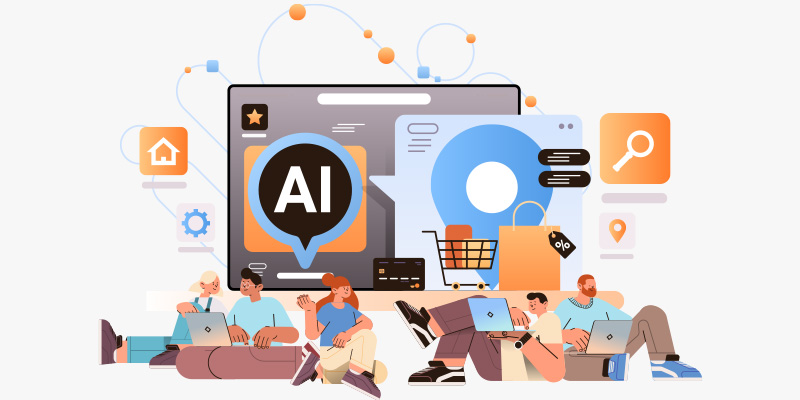

The landscape of digital marketing is evolving rapidly, and businesses are increasingly turning to ai driven marketing automation to enhance productivity, personalize customer experiences, and improve campaign outcomes. By leveraging artificial intelligence, marketers can automate repetitive tasks, analyze vast amounts of data, and make smarter decisions in real time. Whether you’re running a small online shop or managing a large-scale e-commerce platform, integrating AI-powered tools into your marketing strategy can help you stay ahead of the competition and achieve measurable results.
Before diving into the practical steps for implementing these advanced solutions, it’s important to understand the core benefits and foundational concepts. If you’re interested in learning how AI can also help you understand your customers better, check out our detailed guide on customer behavior analysis in ecommerce.
Understanding the Power of AI in Marketing Automation
Artificial intelligence has transformed the way marketers approach campaign management. With machine learning algorithms, predictive analytics, and natural language processing, AI can automate complex processes that once required significant manual effort. This shift not only saves time but also enables more accurate targeting, improved segmentation, and dynamic content personalization.
For example, AI can analyze customer data to identify patterns, predict future behavior, and recommend the best times to send emails or launch promotions. These capabilities allow businesses to deliver the right message to the right audience at the right moment, increasing engagement and conversion rates.
Key Benefits of Automated Campaigns Powered by AI
Embracing ai driven marketing automation offers several advantages that can significantly impact your bottom line:
- Efficiency: Automate repetitive tasks such as email scheduling, social media posting, and ad placement, freeing up your team to focus on strategy and creativity.
- Personalization: Use AI to tailor content and offers based on individual user preferences, browsing history, and purchase behavior.
- Data-Driven Insights: Gain actionable intelligence from real-time analytics, enabling quick adjustments to campaigns for better performance.
- Improved ROI: Optimize marketing spend by targeting high-value segments and reducing wasted ad impressions.
- Scalability: Manage multiple campaigns across channels with minimal manual intervention, making it easier to grow your marketing efforts as your business expands.

How to Implement AI-Powered Marketing Automation
Successfully integrating AI into your marketing workflow involves several key steps. Here’s a practical approach to get started:
1. Define Your Goals and KPIs
Start by identifying the objectives you want to achieve with automation. Are you aiming to increase email open rates, boost website conversions, or improve customer retention? Establish clear key performance indicators (KPIs) to measure progress and success.
2. Choose the Right Tools and Platforms
There are numerous AI-powered marketing platforms available, each offering unique features such as predictive analytics, automated segmentation, and content optimization. Evaluate solutions based on your business needs, budget, and integration capabilities. For a deeper look at how AI is transforming retail, explore Oracle’s overview of AI in retail marketing.
3. Integrate Data Sources
The effectiveness of ai driven marketing automation depends on access to quality data. Connect your CRM, e-commerce platform, social media accounts, and analytics tools to create a unified data ecosystem. This integration allows AI algorithms to analyze customer journeys holistically and deliver more accurate recommendations.
4. Automate Campaign Workflows
Set up automated workflows for tasks such as lead nurturing, abandoned cart reminders, and personalized product recommendations. Use AI to trigger actions based on user behavior, ensuring timely and relevant communication with your audience.
5. Test, Measure, and Optimize
Continuously monitor campaign performance using real-time analytics. A/B testing, multivariate analysis, and predictive modeling can help refine your strategies and maximize results. Adjust your automation rules and content based on insights to improve engagement and ROI.
Best Practices for Maximizing Results with Intelligent Automation
To fully realize the benefits of automated marketing powered by AI, consider these best practices:
- Start Small: Begin with one or two campaigns to test the effectiveness of automation before scaling up.
- Maintain Data Quality: Regularly clean and update your databases to ensure AI models are working with accurate information.
- Segment Your Audience: Use AI-driven insights to create highly targeted segments for personalized messaging.
- Monitor Compliance: Ensure your automation practices comply with data privacy regulations such as GDPR and CCPA.
- Encourage Collaboration: Foster communication between marketing, sales, and IT teams to maximize the value of your AI initiatives.
Integrating AI with Related E-Commerce Strategies
AI-powered automation works best when combined with other intelligent solutions. For instance, integrating your marketing automation with ai inventory management can help synchronize promotions with stock levels, reducing the risk of overselling or missed opportunities. Similarly, leveraging demand forecasting with ai ensures your campaigns are aligned with anticipated market trends, while ai powered dynamic pricing and price optimization using ai enable you to adjust offers for maximum profitability.
Frequently Asked Questions
What types of marketing tasks can AI automate?
AI can automate a wide range of marketing activities, including email campaign scheduling, social media posting, customer segmentation, lead scoring, content personalization, and even customer support via chatbots. These automations help marketers save time and focus on strategic planning.
Is AI-driven automation suitable for small businesses?
Absolutely. Many AI-powered marketing tools are designed with scalability in mind, making them accessible and cost-effective for small and medium-sized businesses. Starting with basic automation features allows smaller teams to compete more effectively and grow their operations.
How does AI improve campaign targeting and personalization?
AI analyzes customer data to identify patterns, preferences, and behaviors. This enables marketers to deliver highly relevant content, offers, and recommendations to individual users, resulting in higher engagement and conversion rates compared to traditional, one-size-fits-all approaches.
Conclusion
Embracing ai driven marketing automation is no longer a luxury—it’s a necessity for businesses seeking to streamline operations, enhance customer engagement, and drive growth. By following the steps and best practices outlined here, marketers can unlock new efficiencies and deliver more impactful campaigns across digital channels. As technology continues to advance, those who invest in intelligent automation today will be well-positioned to lead in the competitive world of digital marketing.