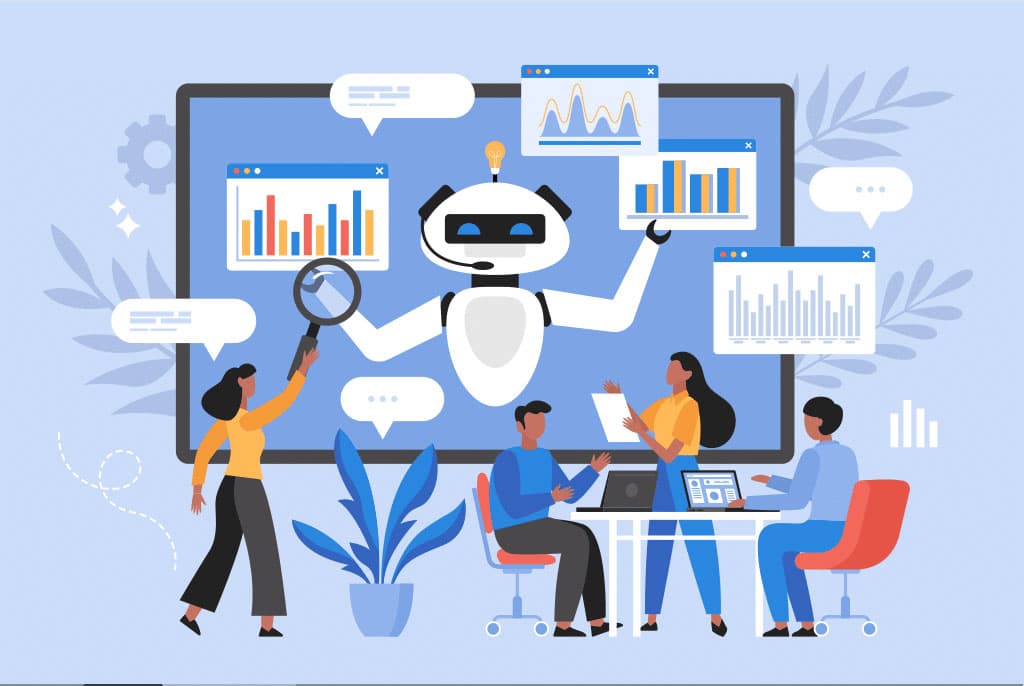

Artificial intelligence is no longer reserved for large corporations or tech giants. Today, even small businesses can harness the power of AI to streamline operations, improve productivity, and gain a competitive edge. Understanding how to use AI for small business efficiency can help owners and teams automate repetitive tasks, make smarter decisions, and deliver better customer experiences.
From automating customer service to optimizing marketing campaigns, AI tools are becoming increasingly accessible and affordable. This article explores practical ways entrepreneurs and small teams can leverage artificial intelligence, the benefits and challenges involved, and actionable steps to get started.
As digital trends evolve, it’s also valuable to stay informed about related topics such as the future of social media content and how content strategies are adapting alongside AI advancements.
Why Embracing AI Matters for Small Businesses
Adopting artificial intelligence is no longer just a futuristic idea. For small businesses, integrating AI-driven solutions can lead to significant time savings, cost reductions, and improved accuracy in daily operations. Here are some key reasons why AI adoption is becoming essential:
- Automation of routine tasks: Free up staff from repetitive work, allowing them to focus on higher-value activities.
- Data-driven decision making: AI tools can analyze large volumes of data quickly, providing actionable insights that would be difficult to uncover manually.
- Enhanced customer experiences: Chatbots and virtual assistants can offer instant support, while personalized recommendations can boost sales and satisfaction.
- Cost efficiency: By reducing manual errors and streamlining processes, businesses can operate more efficiently and save money.

Practical Applications: Boosting Efficiency with AI Tools
There are numerous ways to apply artificial intelligence in a small business setting. Here are some of the most impactful use cases:
Automating Customer Support
AI-powered chatbots and virtual assistants can handle common customer inquiries 24/7. These tools can answer frequently asked questions, process orders, and even troubleshoot basic issues, reducing the workload on human staff and improving response times.
Streamlining Marketing Efforts
AI can analyze customer data to identify trends, segment audiences, and personalize marketing messages. Tools like automated email marketing platforms and social media schedulers use machine learning to optimize send times and content, resulting in better engagement and higher conversion rates.
Optimizing Inventory and Supply Chain Management
Predictive analytics powered by AI can help small businesses forecast demand, manage stock levels, and avoid over-ordering or stockouts. This leads to more efficient operations and less capital tied up in inventory.
Enhancing Financial Processes
AI-driven accounting software can automate invoice processing, expense tracking, and even detect anomalies that might indicate fraud. These tools reduce manual data entry and help maintain accurate financial records.

Choosing the Right AI Solutions for Your Business
Not all AI tools are created equal, and the best solution depends on your specific needs and industry. When evaluating options, consider the following:
- Ease of integration: Look for platforms that work with your existing software and workflows.
- Scalability: Choose solutions that can grow with your business as your needs evolve.
- Cost: Many AI tools offer tiered pricing or pay-as-you-go models, making them accessible for businesses of all sizes.
- Support and training: Ensure the provider offers adequate resources to help you and your team get up to speed.
For a deeper dive into practical strategies, you can explore resources like this comprehensive guide to using AI in small business operations.
Overcoming Common Challenges When Implementing AI
While the benefits are clear, small businesses may face hurdles when adopting artificial intelligence. Some common challenges include:
- Limited technical expertise: Many small teams lack in-house AI specialists. Fortunately, many modern tools are designed for non-experts and offer user-friendly interfaces.
- Data privacy concerns: Handling customer data responsibly is critical. Always choose reputable vendors and ensure compliance with relevant regulations.
- Change management: Employees may be hesitant to adopt new technologies. Clear communication and training can help ease the transition.
- Cost considerations: While many AI tools are affordable, it’s important to evaluate the return on investment and start with solutions that address your most pressing needs.
Getting Started: Steps to Integrate AI for Greater Efficiency
To successfully introduce AI into your business, follow these practical steps:
- Identify repetitive tasks that consume significant time and could benefit from automation.
- Research available tools tailored to your industry and business size.
- Start small by piloting one or two solutions before scaling up.
- Train your team and encourage feedback to ensure smooth adoption.
- Monitor results and adjust your approach based on performance data and evolving needs.
As you explore AI integration, remember that digital transformation is an ongoing process. Staying informed about trends—such as social media content moderation and other emerging technologies—can help you remain agile and competitive.
FAQ: Small Business AI Adoption
What are the most affordable AI tools for small businesses?
Many AI solutions are designed with small businesses in mind. Popular options include AI-powered chatbots, automated email marketing platforms, and accounting software with built-in machine learning. These tools often offer free trials or entry-level plans to help businesses get started without a large upfront investment.
Is AI difficult to implement for non-technical business owners?
Modern AI tools are increasingly user-friendly and require little to no coding knowledge. Many providers offer step-by-step guides, tutorials, and customer support to assist with setup and integration. Starting with simple, well-supported solutions can make the process manageable for any business owner.
How can AI improve customer service for small businesses?
AI-driven chatbots and virtual assistants can provide instant responses to customer inquiries, resolve common issues, and route more complex questions to human agents. This leads to faster support, higher customer satisfaction, and more efficient use of staff resources.
What precautions should small businesses take when using AI?
It’s important to choose reputable AI vendors, ensure data privacy compliance, and regularly review how AI tools are being used. Training staff and maintaining transparency with customers about AI use can also help build trust and minimize risks.