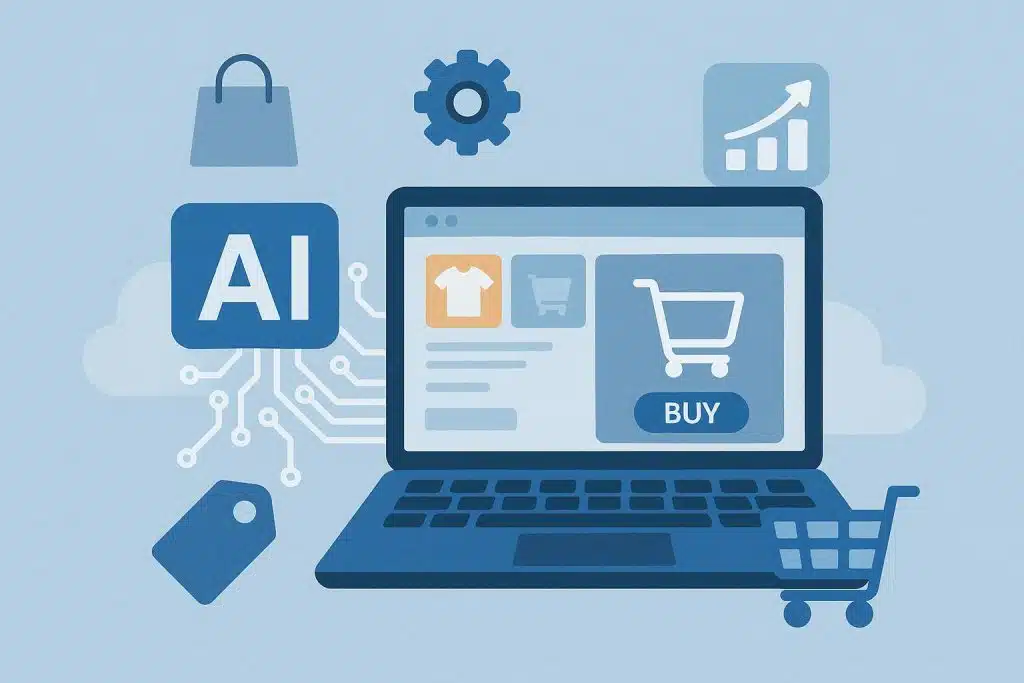

In today’s fast-paced retail environment, managing returns efficiently is crucial for maintaining customer satisfaction and reducing operational costs. Leveraging AI automation can significantly streamline the returns process, minimizing errors and cutting down on expenses. This guide explores how businesses can implement AI-driven solutions to enhance their returns management systems.
For businesses looking to optimize their logistics, understanding how to use AI for fleet management optimization can provide additional insights into enhancing overall efficiency.
Understanding the Role of AI in Returns Management
Artificial intelligence can transform the way returns are processed by automating repetitive tasks, analyzing data for better decision-making, and providing predictive insights. By integrating AI, companies can reduce manual errors, streamline workflows, and improve customer experiences.
Key Benefits of AI-Driven Returns Solutions
Implementing AI in returns management offers several advantages:
- Error Reduction: AI systems can accurately process returns data, reducing human errors.
- Cost Efficiency: Automation decreases the need for manual labor, cutting down operational costs.
- Improved Customer Satisfaction: Faster processing times lead to quicker refunds and exchanges, enhancing customer loyalty.

Steps to Implement AI in Returns Management
To successfully integrate AI into your returns process, follow these steps:
1. Assess Current Processes
Begin by evaluating your existing returns management system. Identify areas where automation can replace manual tasks and gather data that AI can analyze to improve efficiency.
2. Choose the Right AI Tools
Select AI solutions that align with your business needs. Consider tools that offer machine learning capabilities, predictive analytics, and seamless integration with your current systems.
3. Train Your Team
Ensure your staff is trained to work with AI technologies. Provide ongoing education to help them understand how AI can enhance their roles and improve overall operations.

Real-World Applications of AI in Retail
Many companies are already reaping the benefits of AI in retail. For instance, some businesses use machine learning to predict return rates and adjust inventory accordingly. To learn more about how AI is transforming retail, check out real examples of machine learning in retail.
Conclusion
By adopting AI automation in returns management, businesses can significantly reduce costs and errors, ultimately leading to a more efficient and customer-friendly operation. As technology continues to evolve, staying ahead of the curve with AI solutions will be crucial for maintaining a competitive edge in the retail industry.
FAQs
How does AI improve returns management?
AI enhances returns management by automating data processing, reducing errors, and providing predictive analytics to optimize inventory and customer service.
What are the cost benefits of using AI in returns management?
AI reduces the need for manual labor, minimizes errors, and speeds up processing times, all of which contribute to lower operational costs.
Can AI solutions be integrated with existing systems?
Yes, many AI tools are designed to integrate seamlessly with current systems, allowing businesses to enhance their operations without overhauling existing infrastructure.