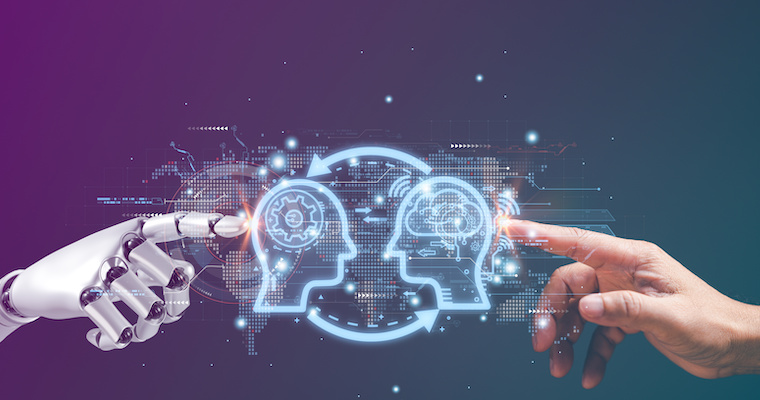

Agile project management has become the standard for organizations seeking flexibility, rapid delivery, and continuous improvement. As teams strive to deliver value faster and adapt to changing requirements, artificial intelligence is emerging as a transformative force. The benefits of AI for agile project management go beyond automation—they enable smarter decision-making, improved collaboration, and more efficient workflows.
Incorporating AI tools into agile environments is no longer just a trend; it’s quickly becoming a necessity for teams aiming to stay competitive. From automating repetitive tasks to providing actionable insights, AI solutions are helping agile teams focus on what matters most: delivering high-quality products and services. For those interested in leveraging AI across different business functions, our guide on how to use ai for fleet management optimization offers practical strategies that can be adapted to agile teams as well.
How AI Enhances Agile Workflows
One of the most significant advantages of integrating AI into agile practices is the ability to streamline and optimize workflows. AI-powered tools can automate routine activities such as backlog grooming, sprint planning, and progress tracking. By reducing manual effort, teams can allocate more time to creative problem-solving and innovation.
AI-driven analytics also provide real-time visibility into project health, identifying bottlenecks and predicting potential delays. This proactive approach allows agile teams to adjust priorities and resources before issues escalate, ensuring projects stay on track.

Boosting Team Collaboration and Communication
Effective communication is at the heart of agile methodologies. AI-powered chatbots and virtual assistants can facilitate seamless information sharing, answer team members’ questions, and provide instant updates on project status. These tools help reduce misunderstandings and ensure everyone is aligned with project goals.
Natural language processing (NLP) capabilities allow AI systems to analyze meeting transcripts, emails, and chat logs, surfacing key action items and decisions. This not only saves time but also ensures that important information is never lost or overlooked.
For distributed or remote teams, AI can bridge communication gaps by translating messages in real time and scheduling meetings across time zones. To learn more about how AI is shaping remote work dynamics, see our article on the impact of ai on remote work culture.
Data-Driven Decision Making in Agile Projects
Agile teams rely on data to make informed decisions quickly. AI enhances this process by analyzing vast amounts of project data and generating actionable insights. Machine learning algorithms can identify patterns in team performance, estimate task completion times, and forecast project risks.
By leveraging predictive analytics, agile leaders can make better decisions about resource allocation, sprint planning, and risk mitigation. This data-driven approach reduces uncertainty and helps teams deliver consistent results.
Automating Repetitive Tasks for Greater Efficiency
One of the core benefits of AI for agile project management is the automation of repetitive, low-value tasks. AI bots can handle tasks such as updating project boards, sending reminders, and generating status reports. This not only improves efficiency but also reduces the risk of human error.
Automation frees up team members to focus on strategic activities that require creativity and critical thinking. As a result, agile teams can deliver higher-quality outcomes in less time.

Improving Risk Management and Quality Assurance
Managing risks and ensuring quality are critical components of agile project success. AI tools can continuously monitor project metrics, detect anomalies, and alert teams to potential risks before they become major issues. Automated testing powered by AI accelerates the identification of bugs and vulnerabilities, leading to more reliable products.
AI can also analyze historical data to predict areas where quality issues are likely to arise, allowing teams to focus their testing efforts more effectively. This proactive approach to risk and quality management helps agile teams maintain high standards while meeting tight deadlines.
Personalizing Agile Processes with AI
Every agile team is unique, and AI can help tailor processes to fit specific needs. By analyzing team dynamics, work habits, and performance data, AI systems can recommend personalized workflows, suggest optimal sprint lengths, and even match tasks to team members based on their strengths.
Personalization enhances team satisfaction and productivity, as individuals are empowered to work in ways that suit them best. Over time, these incremental improvements can lead to significant gains in overall project performance.
Challenges and Considerations When Adopting AI
While the advantages are clear, integrating AI into agile project management is not without challenges. Teams must address concerns such as data privacy, tool compatibility, and the need for ongoing training. It’s important to select AI solutions that align with organizational goals and agile principles.
Change management is also crucial. Teams should be encouraged to embrace AI as a tool for empowerment rather than a replacement for human skills. Providing clear guidelines and support during the transition can help ensure a smooth adoption process.
Real-World Examples and Best Practices
Many organizations are already seeing tangible results from using AI in their agile practices. For instance, companies leveraging AI-powered project management platforms report faster sprint cycles, improved backlog prioritization, and higher team morale.
Best practices for successful AI adoption include starting with pilot projects, involving stakeholders early, and regularly reviewing performance metrics. For additional tips on integrating AI into business operations, consider these strategies for using AI in small business.
Expanding AI Integration Across Business Functions
The impact of AI is not limited to agile project management. Organizations are increasingly deploying AI to optimize other areas such as procurement, warehouse automation, and trade secret protection. For example, our resource on guide to ai for procurement and sourcing explores how AI-driven insights can streamline purchasing and supplier management.
By adopting a holistic approach to AI integration, businesses can unlock new efficiencies and foster a culture of continuous improvement across all departments.
Frequently Asked Questions
How does AI improve agile project management efficiency?
AI automates repetitive tasks, provides real-time analytics, and helps teams identify and resolve bottlenecks quickly. This leads to faster decision-making, reduced manual workload, and more efficient project delivery.
What are the main challenges when implementing AI in agile teams?
Common challenges include ensuring data privacy, integrating new tools with existing systems, and managing the change process within teams. Ongoing training and clear communication are essential for successful adoption.
Can AI replace human roles in agile project management?
AI is designed to augment, not replace, human roles. It handles routine tasks and provides insights, allowing team members to focus on creative and strategic work. Human judgment and collaboration remain central to agile success.