
Maintaining a strong and unified brand presence is more challenging than ever in today’s digital-first marketplace. Businesses of all sizes are turning to brand management tools online to streamline their workflows, ensure consistency across channels, and empower teams to deliver a cohesive message. The right digital solutions can help centralize assets, automate guidelines, and monitor brand performance, making them essential for anyone serious about building and protecting their reputation.
Whether you’re a marketing manager, a creative lead, or a small business owner, understanding which platforms offer the most value is crucial. This guide explores the top features, benefits, and leading options for online brand management, so you can make informed decisions and elevate your brand’s consistency.
For those seeking more specialized solutions, exploring small business branding tools can provide tailored options that fit unique needs and budgets.
Why Consistency Matters in Digital Branding
Consistency is the backbone of effective branding. When every touchpoint—from social media posts to packaging—reflects the same voice, visuals, and values, customers are more likely to trust and remember your business. Inconsistent branding, on the other hand, can confuse audiences and dilute your message.
Online brand management platforms help solve this challenge by centralizing guidelines, assets, and workflows. With these systems in place, teams can collaborate efficiently and ensure that every piece of content aligns with the brand’s identity, regardless of who creates it or where it’s published.
Key Features to Look for in Brand Management Platforms
Not all digital branding solutions are created equal. Here are the most important features to consider when evaluating brand management tools online:
- Centralized Asset Libraries: Store logos, images, templates, and documents in one accessible location.
- Brand Guidelines Automation: Share and enforce rules for logo usage, color palettes, fonts, and messaging.
- Collaboration Tools: Enable real-time editing, feedback, and approval workflows for distributed teams.
- Template Management: Standardize marketing materials with customizable templates for ads, presentations, and social posts.
- Analytics and Reporting: Track asset usage, campaign performance, and brand compliance across channels.
- Integrations: Connect with design, marketing, and project management software for seamless workflows.
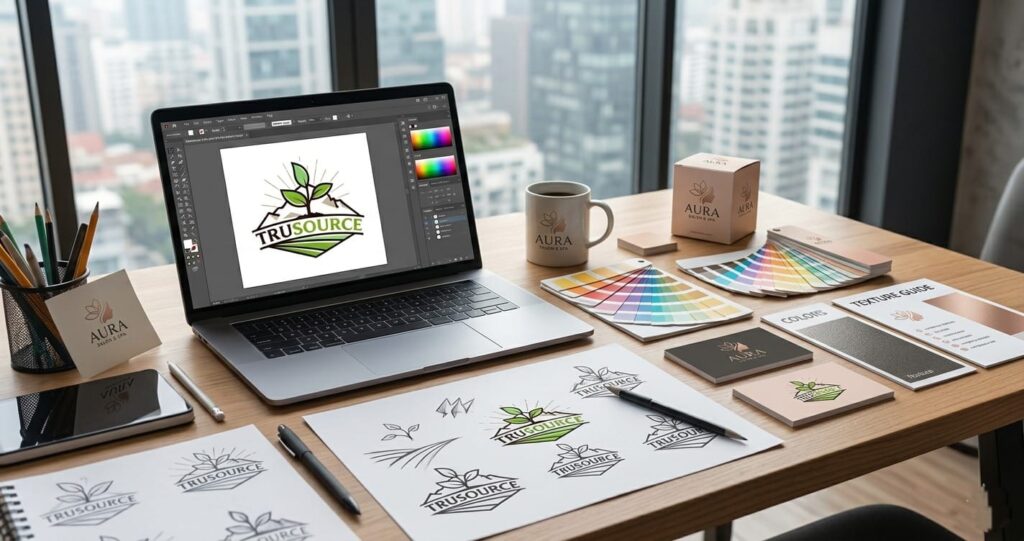
Top Online Solutions for Brand Consistency
With so many options available, it’s important to focus on platforms that have a proven track record for reliability and user satisfaction. Here are some of the most popular choices for managing your brand online:
- Frontify: Known for its intuitive interface, Frontify offers robust brand guidelines, asset management, and collaborative features. It’s ideal for organizations that want to centralize their brand assets and streamline creative workflows.
- Bynder: A cloud-based digital asset management (DAM) platform, Bynder helps teams organize, find, and share branded content quickly. Its template management and workflow automation tools are especially helpful for large teams.
- Canva for Teams: While Canva is famous for its design capabilities, its team features allow businesses to create and manage branded templates, ensuring every design stays on-brand.
- Brandfolder: This platform excels at asset organization and distribution, making it easy for internal and external stakeholders to access the latest brand materials.
- Loomly: Focused on social media management, Loomly helps brands maintain consistency across multiple platforms with scheduling, collaboration, and content approval features.
For a deeper dive into current trends and emerging solutions, check out this comprehensive overview of branding tools and trends from industry experts.
How Online Tools Streamline Brand Management
Implementing brand management tools online brings several advantages beyond just asset storage. Here’s how these platforms can transform your branding efforts:
- Faster Onboarding: New team members can access guidelines and assets instantly, reducing training time and mistakes.
- Improved Collaboration: Distributed teams can work together in real time, minimizing bottlenecks and miscommunication.
- Stronger Brand Control: Automated approval processes and permissions ensure only approved materials go public.
- Scalable Workflows: As your business grows, these tools adapt to handle more assets, users, and campaigns without losing efficiency.
- Enhanced Reporting: Analytics dashboards provide insights into asset usage, campaign reach, and compliance, helping you refine your strategy.

Choosing the Right Platform for Your Business
Every organization has unique needs, so it’s important to assess your priorities before selecting a solution. Consider the following:
- Team Size and Structure: Some platforms are better suited for small businesses, while others cater to large enterprises with complex workflows.
- Budget: Free and paid options exist, each with different feature sets. If you’re just starting out, you might benefit from exploring free online branding tools before investing in premium solutions.
- Integration Needs: Make sure the tool connects smoothly with your existing software stack, such as project management or CRM systems.
- Scalability: Choose a platform that can grow with your business, adding users and features as needed.
- Support and Training: Look for providers that offer comprehensive onboarding, tutorials, and customer support to maximize adoption and ROI.
Reading reviews and case studies, as well as taking advantage of free trials, can help you make a more informed decision. For a broader perspective, you can also explore the online branding software guide for teams.
Maximizing the Benefits of Digital Branding Solutions
To fully leverage the power of brand management tools online, follow these best practices:
- Regularly Update Assets: Keep your asset library current with the latest logos, templates, and guidelines.
- Train Your Team: Ensure everyone understands how to use the platform and why consistency matters.
- Monitor Compliance: Use analytics to track usage and identify areas where guidelines are not being followed.
- Solicit Feedback: Encourage team members to share suggestions for improving workflows and resources.
- Review Performance: Analyze campaign results and asset engagement to refine your branding strategy over time.
By making these practices part of your routine, you’ll not only protect your brand but also empower your team to work more efficiently and creatively.
Frequently Asked Questions
What are the main advantages of using online brand management tools?
These platforms centralize brand assets, automate guideline enforcement, and streamline collaboration. This leads to faster content creation, fewer errors, and a more consistent brand experience across all channels.
Can small businesses benefit from digital branding platforms?
Absolutely. Many solutions are designed for scalability and offer features tailored to smaller teams and budgets. Exploring benefits of online branding tools can help small businesses understand the value and find the right fit.
How do these tools help with brand compliance?
They provide automated approval workflows, permissions settings, and analytics to ensure only approved materials are used. This reduces the risk of off-brand messaging and helps maintain a unified identity.