
The landscape of digital branding is evolving rapidly, driven by technological advancements and changing consumer expectations. As businesses compete for attention in a crowded online marketplace, the future of online branding tools is set to play a pivotal role in shaping how brands connect with their audiences, maintain consistency, and drive growth. New software solutions are emerging to help organizations streamline their branding efforts, automate repetitive tasks, and harness data for smarter decision-making.
Whether you’re a startup, a growing business, or an established enterprise, understanding the next wave of branding technology is crucial. From AI-powered design assistants to integrated brand management platforms, the coming years promise greater efficiency, creativity, and control over your brand’s digital presence. If you’re interested in specialized solutions, you might explore branding tools for influencer marketing to enhance your partnerships and outreach strategies.
Key Trends Shaping the Next Generation of Branding Platforms
Several trends are influencing how digital branding solutions are being developed and adopted. These trends not only reflect current needs but also anticipate future demands in the branding space.
- Artificial Intelligence and Automation: AI is transforming everything from logo creation to content generation. Automated branding tools can now suggest color palettes, generate slogans, and even analyze audience sentiment, reducing manual effort and speeding up workflows.
- Personalization at Scale: Modern branding software enables brands to deliver personalized experiences across channels. Dynamic templates and adaptive content ensure that messaging resonates with diverse audience segments.
- Integrated Brand Management: Centralized platforms are emerging to manage assets, guidelines, and campaigns in one place. This integration supports consistency and makes it easier for teams to collaborate, especially in remote or distributed environments.
- Data-Driven Insights: Advanced analytics are helping brands measure the impact of their branding efforts. Real-time dashboards and reporting tools provide actionable insights for continuous improvement.

Emerging Technologies in Digital Brand Building
As we look ahead, several technologies are set to redefine the future of online branding tools. These innovations will empower brands to create more engaging and cohesive digital identities.
AI-Driven Design and Content Creation
Artificial intelligence is making it easier for brands to maintain a professional image without the need for large design teams. AI-powered tools can generate logos, banners, and even social media posts that align with brand guidelines. This not only saves time but also ensures consistency across all touchpoints.
Cloud-Based Collaboration and Asset Management
Cloud platforms are enabling real-time collaboration between designers, marketers, and stakeholders. Teams can access, edit, and approve assets from anywhere, reducing bottlenecks and improving efficiency. For those seeking to maintain a unified visual identity, solutions like brand style guide tools are becoming essential for enforcing standards across teams and campaigns.
Automation for Brand Consistency
Maintaining consistency is one of the biggest challenges in branding. Automation tools can enforce brand guidelines automatically, flagging deviations and suggesting corrections. This is particularly valuable for organizations with multiple teams or global operations.
How Software Tech Is Transforming Brand Management
Brand management software is evolving from simple asset repositories to comprehensive platforms that support every aspect of digital branding. Here’s how these solutions are changing the way brands operate:
- Centralized Asset Libraries: All brand assets—logos, fonts, images, templates—are stored in one place, making it easy to find and use the right materials.
- Automated Approval Workflows: Streamlined processes ensure that only approved content goes live, reducing errors and protecting brand integrity.
- Performance Tracking: Integrated analytics track how branded content performs across channels, helping teams refine strategies and maximize impact.
- Scalable Solutions: As brands grow, modern tools can scale to accommodate new markets, languages, and channels without losing control over branding.
For those managing multiple campaigns or brands, exploring brand management tools online can provide the structure and oversight needed for success.
Personalization and User Experience in Branding Tools
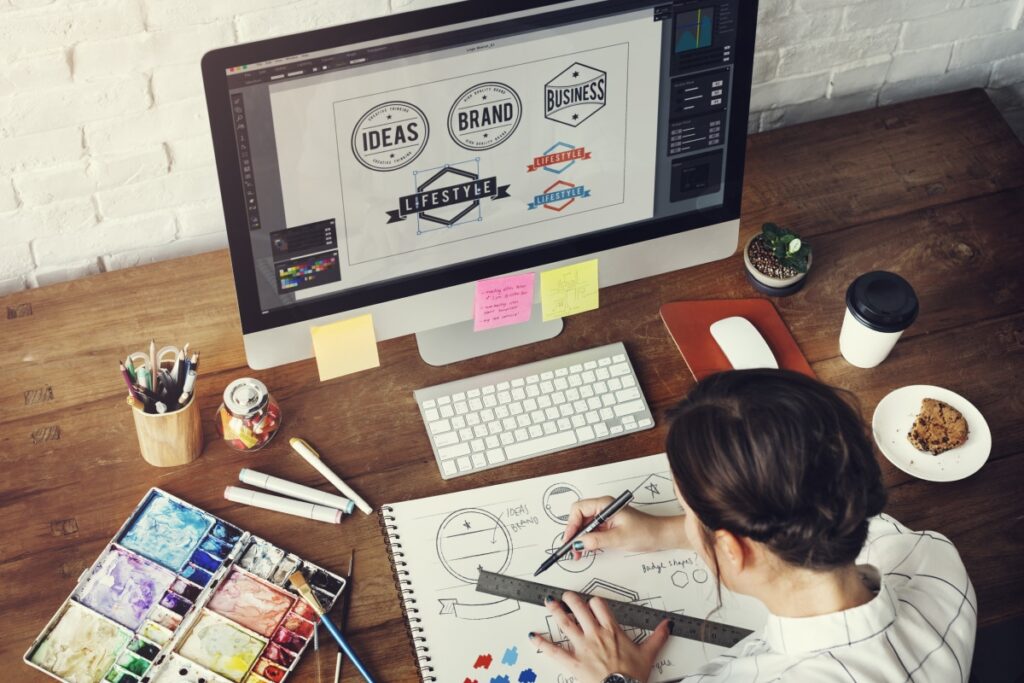
One of the most significant shifts in the future of online branding tools is the focus on personalization and user experience. Modern consumers expect brands to recognize their preferences and deliver tailored experiences. Branding software is rising to this challenge by offering:
- Dynamic Content Customization: Tools that adapt messaging and visuals based on user data, location, or behavior.
- Interactive Brand Guidelines: Instead of static PDFs, brands now use interactive, web-based guidelines that are easy to update and share.
- Seamless Integration: Branding platforms are integrating with CRM, email marketing, and social media tools to ensure a unified customer journey.
For brands looking to stand out visually, visual branding tools online offer advanced features for creating on-brand graphics and layouts that capture attention.
Challenges and Opportunities Ahead
While the future of branding technology is promising, it’s not without challenges. Brands must navigate issues such as data privacy, the risk of over-automation, and the need to maintain a human touch in their communications. However, the opportunities far outweigh the risks. By embracing new tools and technologies, brands can:
- Enhance efficiency and reduce manual workload
- Deliver more relevant and engaging experiences
- Maintain consistency across all digital channels
- Gain deeper insights into audience behavior and preferences
For a deeper dive into how digital branding is evolving, you can refer to this comprehensive guide to digital branding services that explores current strategies and future trends.
Preparing Your Brand for the Next Wave of Digital Tools
To stay ahead, brands should take proactive steps to evaluate and adopt the latest branding technologies. Here are some practical recommendations:
- Audit Your Current Tools: Identify gaps or inefficiencies in your existing branding processes. Are there manual tasks that could be automated? Is your asset library organized and accessible?
- Invest in Training: Ensure your team is equipped to use new software effectively. Many providers offer tutorials, webinars, and support resources.
- Prioritize Integration: Choose platforms that work seamlessly with your other marketing and sales tools to avoid silos and duplication of effort.
- Monitor Results: Use analytics to track the impact of your branding initiatives and adjust your strategy as needed.
Typography is also a crucial aspect of digital branding. If you want to refine your brand’s visual identity, consider using brand font selection tools to ensure your typography aligns with your overall image and messaging.
FAQ
What are the most important features to look for in new branding software?
Look for platforms that offer centralized asset management, automation for consistency, integration with other marketing tools, and robust analytics. AI-driven design and personalization features are also becoming essential for modern branding efforts.
How can AI improve the branding process?
AI can automate repetitive tasks like logo generation, content creation, and even audience analysis. This allows teams to focus on strategy and creativity while ensuring consistency and efficiency across campaigns.
Is it possible to maintain brand consistency across multiple channels?
Yes, with the right tools. Integrated brand management platforms help enforce guidelines, automate approvals, and track performance, making it easier to maintain a unified brand identity across websites, social media, email, and more.