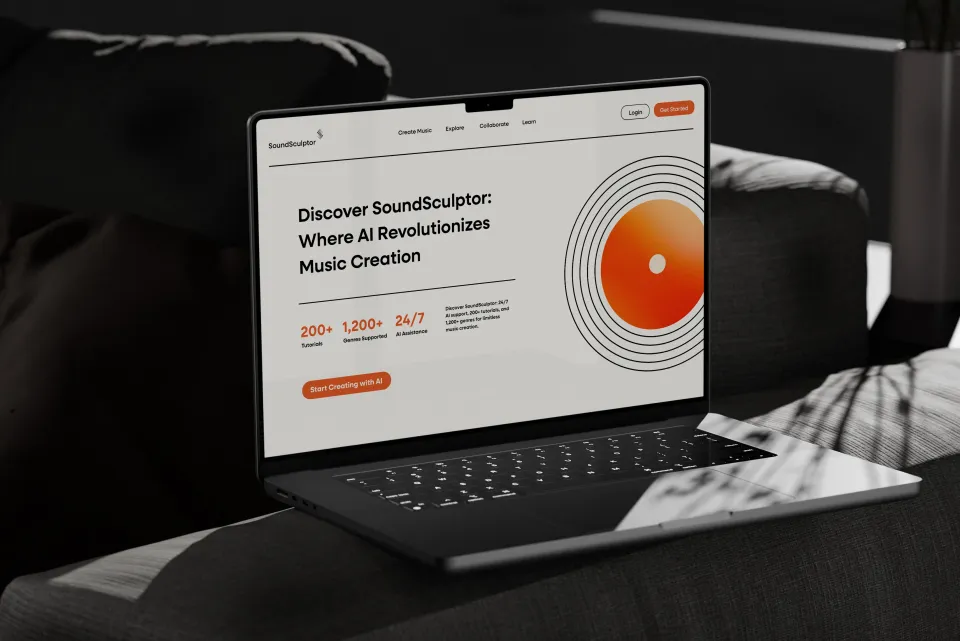

Keeping digital assets organized is a growing challenge for marketing and creative teams. As brands expand their presence across channels, the volume of logos, images, videos, templates, and guidelines multiplies. Without a centralized system, assets become scattered, outdated, or hard to find—leading to inefficiency and inconsistency. Brand asset management tools have emerged as essential solutions for teams aiming to streamline workflows, maintain brand integrity, and collaborate effectively.
In this article, we’ll explore the features, benefits, and best practices for using these platforms. We’ll also highlight how choosing the right solution can empower your team to work smarter and keep your brand identity strong. If you’re interested in how these solutions are evolving, you might also want to read about the future of online branding tools for additional insights.
What Are Brand Asset Management Platforms?
Brand asset management platforms are specialized digital libraries designed to store, organize, and distribute all brand-related files. Unlike generic cloud storage, these systems offer advanced features tailored for branding, such as:
- Centralized repositories for logos, color palettes, fonts, and templates
- Version control to ensure only the latest assets are used
- Permission settings for secure access and sharing
- Metadata tagging for easy searching and categorization
- Automated brand guidelines and usage instructions
By consolidating resources, these tools help teams avoid duplication, reduce errors, and speed up project delivery. They are especially valuable for organizations with distributed teams or multiple stakeholders involved in content creation and marketing.

Key Features of Modern Asset Management Solutions
Today’s brand asset management tools go beyond simple file storage. Here are some standout features that help teams stay organized and efficient:
- Customizable Taxonomies: Build folder structures and tag assets by campaign, product line, or usage rights.
- Integrated Brand Guidelines: Embed rules for logo usage, color codes, and typography directly within the platform.
- Approval Workflows: Route assets for review and approval to maintain quality and compliance.
- Collaboration Tools: Enable real-time feedback, annotations, and sharing with internal and external partners.
- Analytics and Reporting: Track asset usage, downloads, and engagement to inform future content strategies.
These capabilities not only save time but also help ensure that every piece of content aligns with your brand’s standards.
Benefits of Using Brand Asset Management Tools
Investing in a dedicated system for managing brand assets delivers several tangible advantages:
- Consistency: Teams always have access to the correct, up-to-date assets, reducing the risk of off-brand materials.
- Efficiency: Quick search and retrieval features minimize time spent hunting for files, freeing up resources for creative work.
- Security: Permission controls and audit trails keep sensitive assets protected and ensure compliance with licensing agreements.
- Collaboration: Centralized access supports seamless teamwork, even across different locations or departments.
- Scalability: As your brand grows, these platforms can accommodate more assets and users without losing organization.
For organizations in sectors like retail, nonprofit, or B2B, these benefits translate into faster campaign launches, stronger brand recognition, and better ROI on creative investments.

Choosing the Right Platform for Your Team
With many options available, selecting the best solution for your organization requires careful consideration. Here are some factors to keep in mind:
- Team Size and Structure: Some platforms are built for small creative teams, while others support enterprise-level collaboration.
- Integration Needs: Look for compatibility with tools you already use, such as project management, design, or content publishing software.
- Ease of Use: Intuitive interfaces and onboarding resources help ensure quick adoption by all team members.
- Customization: The ability to tailor taxonomies, workflows, and branding guidelines to your unique processes is crucial.
- Support and Security: Reliable customer support and robust data protection features are essential for peace of mind.
For more detailed comparisons and recommendations, you can consult resources like this comprehensive guide to top brand management platforms.
Best Practices for Implementing Asset Management Systems
Once you’ve chosen a platform, following best practices will help you get the most value from your investment:
- Define Clear Naming Conventions: Consistent file names and folder structures make assets easier to locate and manage.
- Set Up User Roles: Assign permissions based on roles to control who can view, edit, or approve assets.
- Regularly Audit and Update: Schedule periodic reviews to remove outdated files and ensure all assets meet current brand standards.
- Educate Your Team: Provide training and documentation so everyone understands how to use the system effectively.
- Leverage Analytics: Use built-in reporting to monitor usage patterns and identify opportunities to optimize your asset library.
Adopting these habits will help your team stay organized and maximize the platform’s benefits over time.
Integrating Asset Management with Broader Branding Strategies
Brand asset management is just one piece of the larger branding puzzle. To fully realize its potential, consider how your asset management system connects with other initiatives, such as:
- Content marketing and campaign management
- Influencer partnerships and co-branded projects
- Visual identity updates and rebranding efforts
- Stakeholder communications and training
If you’re interested in specialized solutions, you might explore tools designed for branding tools for nonprofit organizations or platforms that support branding tools for B2B companies. These resources can help tailor your approach to your industry’s unique needs.
FAQ: Brand Asset Management for Teams
What types of assets can be stored in a brand asset management platform?
Most systems support a wide range of file types, including images, logos, videos, audio files, documents, templates, and even brand guidelines. Some platforms also allow you to store color palettes, font files, and other elements critical to maintaining a consistent brand identity.
How do these tools improve team collaboration?
By providing a single source of truth for all brand assets, these platforms eliminate confusion and reduce the risk of using outdated or incorrect files. Features like real-time commenting, approval workflows, and secure sharing make it easier for teams to work together, even across different locations or departments.
Are brand asset management systems secure?
Yes, reputable platforms offer robust security features such as user authentication, permission controls, encryption, and audit logs. These measures help protect sensitive files and ensure only authorized users can access or modify assets.
In summary, adopting a dedicated solution for organizing and sharing brand resources is a smart move for any team looking to boost efficiency, maintain consistency, and support long-term growth. By choosing the right platform and following best practices, your organization can keep its creative assets organized and its brand identity strong in a fast-paced digital world.