
Building a strong and recognizable presence online is essential for any business or creator aiming to thrive in today’s digital landscape. Branding tools for social media play a pivotal role in shaping how audiences perceive your brand, ensuring consistency, and streamlining the content creation process. Whether you’re a small business owner, a marketing professional, or an influencer, leveraging the right resources can dramatically improve your reach and engagement across platforms.
In this article, we’ll explore some of the most effective solutions for managing your brand identity, creating eye-catching visuals, and maintaining consistency across all your channels. We’ll also touch on the latest trends and offer practical advice for selecting the best options for your unique needs.
For those interested in the evolving landscape of digital branding, the future of online branding tools is a must-read, offering insights into emerging technologies and strategies that are shaping tomorrow’s branding solutions.
Why Consistency Matters in Social Media Branding
Maintaining a unified brand image across all social platforms is more than just a design preference—it’s a strategic necessity. Consistency builds trust, increases recognition, and makes your content instantly identifiable in crowded feeds. Branding tools for social media help ensure that your colors, fonts, logos, and messaging remain aligned, regardless of who is creating or posting content.
When your audience sees a cohesive look and feel, they’re more likely to remember your brand and engage with your posts. This reliability also extends to collaborations, partnerships, and advertising campaigns, where a consistent identity can amplify your impact and ROI.
Essential Graphic Design Platforms for Social Media Branding
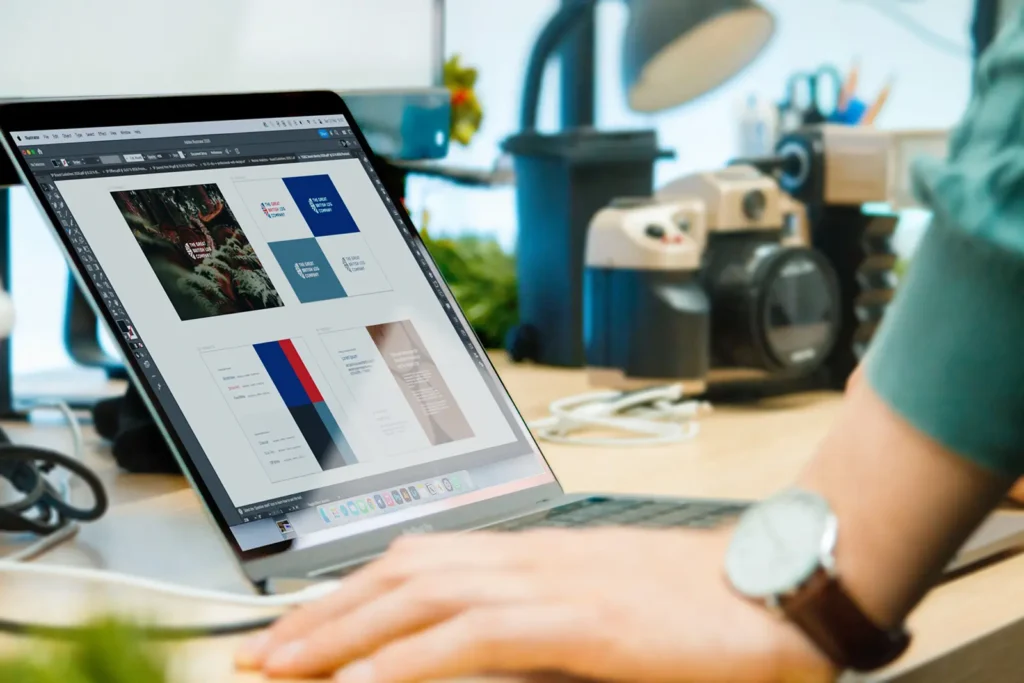
Visual content is at the heart of any successful social media strategy. The right graphic design platforms allow you to create professional-quality images, infographics, and videos that reflect your brand’s personality. Here are some of the most popular options:
- Canva: Known for its user-friendly interface and vast library of templates, Canva is ideal for both beginners and seasoned designers. It offers brand kits, allowing you to save your logo, colors, and fonts for easy access and consistency.
- Adobe Express: This tool provides a streamlined way to create social graphics, short videos, and web pages. Its integration with Adobe’s Creative Cloud makes it a strong choice for those already using Adobe products.
- Crello (now VistaCreate): Similar to Canva, this platform offers templates tailored for various social channels and supports animated designs, making your posts more dynamic and engaging.
For a deeper dive into beginner-friendly branding software, check out this comprehensive guide to branding software for beginners and amateurs.
Scheduling and Automation Tools for Brand Consistency
Managing multiple platforms can be overwhelming, especially when you’re aiming for a consistent posting schedule and unified brand voice. Automation tools are essential for planning, scheduling, and monitoring your content. Here are some top choices:
- Buffer: This platform allows you to schedule posts across major social networks, analyze performance, and maintain a consistent posting rhythm.
- Hootsuite: With robust analytics and team collaboration features, Hootsuite is well-suited for businesses managing multiple brands or accounts.
- Later: Especially popular for Instagram, Later offers visual planning tools and supports direct publishing to several platforms.
By automating routine tasks, you free up time to focus on content quality and engagement, while ensuring your brand remains active and visible.
Brand Asset Management Solutions for Social Media Teams
As your brand grows, managing logos, templates, and other assets becomes increasingly complex. Dedicated asset management tools help teams stay organized and prevent off-brand content from slipping through. Some leading options include:
- Brandfolder: This digital asset management platform centralizes all your brand assets, making it easy for teams to find and use the correct files.
- Bynder: Bynder offers cloud-based storage and workflow tools, helping brands maintain control over their visual identity and collaborate efficiently.
- Google Drive or Dropbox: While not branding-specific, these cloud storage solutions can be adapted for asset management with proper folder structures and naming conventions.
For those in specialized sectors, such as nonprofits or B2B, there are tailored solutions available. Explore branding tools for nonprofit organizations or branding tools for B2B companies to find sector-specific advice.

Social Listening and Analytics for Brand Health
Understanding how your brand is perceived online is crucial for long-term success. Social listening and analytics platforms monitor conversations, track engagement, and provide actionable insights. Some valuable tools include:
- Sprout Social: Offers comprehensive analytics and reporting, helping you measure brand sentiment and identify trends.
- Brandwatch: Focuses on social listening, allowing you to track mentions, keywords, and competitor activity.
- Google Analytics: While not social-specific, it’s essential for tracking traffic from social platforms to your website and understanding user behavior.
Regularly reviewing analytics ensures you can adapt your strategy, address potential issues, and capitalize on opportunities to strengthen your online presence.
Emerging Trends in Social Media Branding Tools
The landscape of branding tools for social media is constantly evolving. Artificial intelligence is making content creation faster and more personalized, while integrations between platforms are streamlining workflows. Some trends to watch include:
- AI-powered design assistants that suggest layouts, color schemes, and even generate copy based on your brand guidelines.
- Automated video creation tools that turn blog posts or product descriptions into engaging video content optimized for social feeds.
- Unified brand management dashboards that combine scheduling, analytics, and asset management in a single interface.
Staying updated with these innovations can give your brand a competitive edge and help you adapt to changing audience preferences.
Best Practices for Choosing the Right Branding Tools
With so many options available, selecting the right solutions for your brand can be challenging. Here are some tips to guide your decision:
- Identify your primary needs—do you require design support, automation, analytics, or asset management?
- Consider your team size and workflow. Some tools are better suited for solo creators, while others excel in collaborative environments.
- Look for platforms that offer integrations with your existing software stack to minimize friction.
- Prioritize scalability—choose tools that can grow with your brand as your audience and needs expand.
- Take advantage of free trials to test usability and ensure the platform aligns with your workflow.
For those working with influencers or managing multiple creator identities, specialized solutions like branding tools for influencer marketing and visual identity management tools can provide additional value and control.
FAQ
What are the most important features to look for in branding tools for social media?
Key features include customizable templates, brand asset management, scheduling capabilities, analytics, and team collaboration options. The best tools also offer integrations with other platforms and support for multiple social networks.
How can small businesses benefit from using these tools?
Small businesses can save time, maintain a professional appearance, and ensure consistency across all channels. These solutions often level the playing field, allowing smaller brands to compete with larger organizations in terms of visual quality and strategic planning.
Are there free options available for managing social media branding?
Yes, many platforms offer free tiers with basic features. Canva, Buffer, and Google Drive, for example, provide robust functionality at no cost, making them accessible for startups and individuals with limited budgets.