
Building a recognizable and trusted brand is essential for any business or personal venture in today’s digital-first world. With so many platforms and resources available, choosing the right brand building tools online can make a significant difference in how your name is perceived and how quickly you can grow your reputation. Whether you’re a startup founder, a freelancer, or an established company, leveraging the right digital resources can help you stand out, connect with your audience, and streamline your branding efforts.
In this guide, we’ll explore some of the most effective online solutions for building your brand, from design and content creation to social media management and analytics. You’ll also find practical tips for integrating these tools into your workflow and making the most of their features.
For those looking to take their digital presence to the next level, understanding how to improve online brand awareness is a crucial step. Combining awareness strategies with the right online branding tools can accelerate your growth and help you achieve lasting recognition.
Why Digital Branding Tools Matter for Modern Businesses
Online branding is more than just a logo or a catchy slogan. It’s about crafting a cohesive identity that resonates with your target audience across multiple channels. The right brand building tools online allow you to:
- Maintain visual and messaging consistency across platforms
- Monitor your reputation and audience engagement in real time
- Streamline content creation and distribution
- Analyze performance and adjust strategies quickly
With so many moving parts, having a reliable toolkit is essential for efficiency and effectiveness.
Essential Online Tools for Building Your Brand
Let’s break down some of the most impactful categories and specific solutions available for digital branding.
1. Visual Identity and Design Platforms
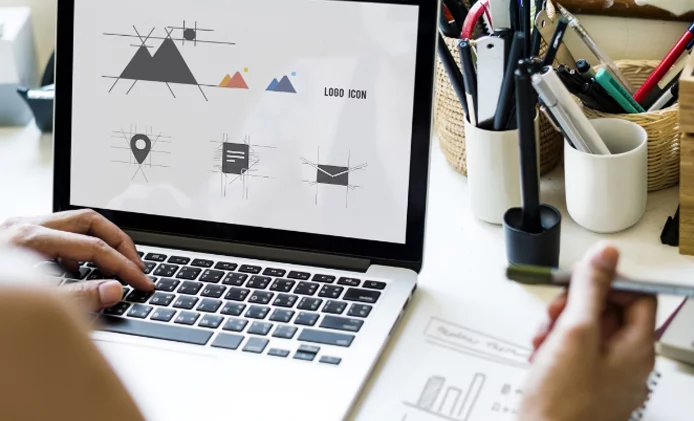
Your brand’s visual elements—logos, color schemes, typography, and imagery—are often the first things people notice. Professional design tools help you create and maintain a strong visual identity.
- Canva: An intuitive platform for designing logos, social media graphics, presentations, and more. Its templates and drag-and-drop interface make it accessible for non-designers.
- Adobe Express: Offers powerful features for quick graphic creation, including brand kits for maintaining consistency.
- Looka: An AI-powered logo maker that helps you generate a unique logo and brand assets in minutes.

2. Content Creation and Management Solutions
Consistent, high-quality content is key to building authority and trust. Content tools help you plan, create, and distribute your message efficiently.
- Buffer and Hootsuite: Both platforms allow you to schedule and manage posts across multiple social networks, analyze engagement, and collaborate with team members.
- WordPress: A leading content management system for building and maintaining your website or blog, offering extensive customization and SEO features.
- Grammarly: Ensures your written content is clear, error-free, and on-brand, which is vital for maintaining professionalism.
3. Social Media Branding and Engagement Tools
Social platforms are where your audience interacts with your brand daily. Specialized tools help you maintain a strong presence and foster engagement.
- Sprout Social: Offers advanced analytics, social listening, and engagement features to help you understand and grow your audience.
- Later: Focuses on visual content scheduling, especially for Instagram and Pinterest, making it easy to plan your feed and track performance.
- Brand24: Monitors mentions of your brand across the web and social media, allowing you to respond quickly and manage your reputation.
For more on making the most of these platforms, check out this comprehensive guide to using social media as a branding tool.

4. Analytics and Brand Monitoring Platforms
Understanding how your brand is performing online is crucial for making informed decisions. Analytics and monitoring tools provide insights into audience behavior, engagement, and sentiment.
- Google Analytics: Tracks website traffic, user behavior, and conversion rates, helping you measure the impact of your branding efforts.
- SEMrush: Offers competitive analysis, keyword tracking, and brand monitoring features to help you stay ahead in your niche.
- Mention: Monitors the web for brand mentions, allowing you to respond to feedback and manage your reputation proactively.
5. Collaboration and Brand Asset Management
As your brand grows, managing assets and collaborating with team members becomes more complex. These tools help ensure everyone is on the same page and your brand assets are easily accessible.
- Trello and Asana: Project management platforms that help teams coordinate branding campaigns, content calendars, and design projects.
- Dropbox and Google Drive: Cloud storage solutions for organizing and sharing brand assets, guidelines, and marketing materials.
- Frontify: A dedicated brand management platform for creating and sharing brand guidelines, assets, and templates with your team or partners.
Tips for Maximizing the Impact of Digital Branding Tools
Simply having access to brand building tools online isn’t enough—you need to use them strategically. Here are some practical tips for getting the most out of your toolkit:
- Define your brand guidelines before diving into design or content creation. Consistency is key.
- Automate repetitive tasks like social media posting or analytics reporting to save time and reduce errors.
- Monitor your results regularly and be ready to adjust your approach based on data and feedback.
- Integrate your tools where possible. Many platforms offer integrations that streamline workflows and reduce manual work.
- Stay updated on new features and trends in branding technology. The future of online branding tools is constantly evolving, and staying informed gives you a competitive edge.
Common Mistakes to Avoid When Using Online Branding Solutions
Even the best tools can’t compensate for poor strategy or execution. Here are a few pitfalls to watch out for:
- Inconsistent branding across platforms can confuse your audience and weaken your message.
- Neglecting analytics means missing out on valuable insights that could improve your results.
- Overcomplicating your toolkit by using too many overlapping tools can lead to inefficiency and confusion.
- Ignoring audience feedback can result in a disconnect between your brand and your community.
Focusing on a streamlined, data-driven approach will help you avoid these issues and build a stronger brand.
FAQ: Online Branding Tools and Strategies
What are the most important features to look for in digital branding platforms?
Key features include ease of use, integration capabilities, analytics and reporting, customization options, and scalability. Look for tools that align with your brand’s specific needs and can grow with you over time.
How can I ensure my brand stays consistent across all channels?
Develop clear brand guidelines covering your visual identity, messaging, and tone. Use asset management and scheduling tools to keep your content and visuals uniform. Regularly audit your channels to catch inconsistencies early.
Are there specialized branding tools for certain industries or organizations?
Yes, some platforms cater to specific sectors. For example, there are branding tools for nonprofit organizations and branding tools for B2B companies that address unique challenges and requirements.
How do I choose between free and paid branding tools?
Free tools are great for getting started or for small projects, but paid solutions often offer more advanced features, better support, and scalability. Consider your budget, needs, and growth plans when making a decision.
Can I manage my brand entirely online, or do I need offline strategies too?
While online tools are powerful for building and managing your brand, integrating offline strategies—like events, print materials, or networking—can further strengthen your presence and reach.
By choosing the right brand building tools online and applying them strategically, you can grow your name, connect with your audience, and achieve lasting success in the digital landscape.