
Maintaining a consistent brand identity is essential for businesses of all sizes. As teams grow and collaborate remotely, having accessible and up-to-date brand guidelines becomes even more important. Online brand guideline tools have emerged as a practical solution, allowing organizations to centralize their branding assets, rules, and resources in one easily accessible place. These platforms help ensure that everyone—from designers to marketers to external partners—can reference and apply brand standards correctly, no matter where they are.
For businesses looking to improve their branding workflow, understanding the benefits and features of these digital solutions is crucial. Whether you’re building your first set of guidelines or updating an established brand, leveraging the right tools can save time, reduce errors, and strengthen your brand’s presence across all channels.
Before diving into the top features and options, it’s worth noting that building a strong brand ecosystem involves more than just guidelines. For instance, learning how to track brand mentions online can help you monitor your reputation and ensure your guidelines are having the desired impact.
Why Digital Brand Guidelines Matter
Traditional brand manuals—often static PDFs or printed booklets—can quickly become outdated and difficult to distribute. In contrast, online brand guideline tools offer several advantages:
- Centralized access: All team members and partners can find the latest brand assets and rules in one place.
- Real-time updates: Changes to logos, color palettes, or messaging can be published instantly, reducing confusion and outdated usage.
- Interactive elements: Many platforms allow you to embed videos, downloadable files, and interactive color pickers for a richer experience.
- Permission controls: Limit who can edit or view sensitive brand information, ensuring security and consistency.
These benefits make digital solutions a smart choice for organizations that value efficiency and brand integrity.

Key Features to Look for in Online Brand Guideline Platforms
When evaluating digital solutions for managing your brand standards, consider these essential features:
- Asset management: The ability to store and organize logos, fonts, color codes, and templates.
- Customizable templates: Flexible layouts to match your brand’s unique needs and style.
- Collaboration tools: Options for commenting, sharing, and approving assets or changes.
- Version control: Track changes over time and revert to previous versions if needed.
- Accessibility: Cloud-based access ensures guidelines are available anywhere, anytime, on any device.
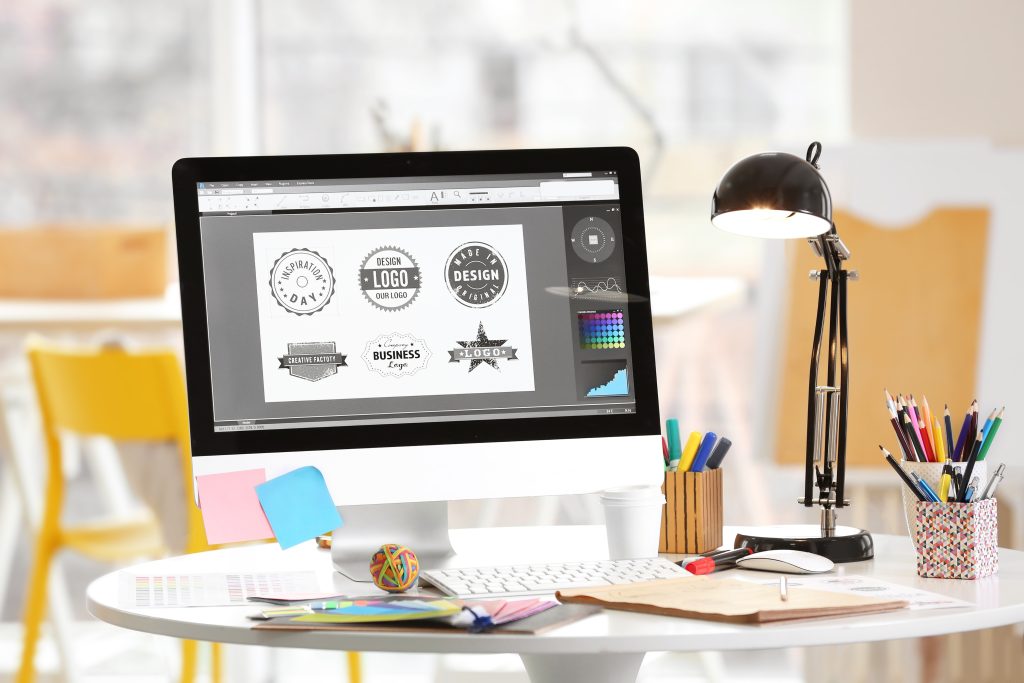
Some platforms also integrate with design software or digital asset management systems, streamlining workflows for creative teams.
Popular Solutions for Digital Brand Guidelines
There are several well-established and emerging platforms designed to help businesses manage their brand standards online. Here are a few notable options:
- Frontify: Known for its user-friendly interface and robust asset management, Frontify is a favorite among large organizations and agencies.
- Brandfolder: This tool combines digital asset management with customizable guideline templates, making it easy to keep everything in sync.
- Corebook: Focused on interactive and visually engaging guidelines, Corebook is ideal for brands that want to make their standards easy to understand and apply.
- Canva for Teams: While primarily a design tool, Canva offers brand kit features that allow teams to store logos, fonts, and colors for consistent use.
Each platform has its strengths, so it’s important to assess your team’s specific needs before making a decision.
Integrating Online Brand Guideline Tools with Your Workflow
To maximize the value of your digital brand standards, consider how these platforms fit into your existing processes. Here are some practical tips:
- Onboarding: Incorporate your online guidelines into onboarding materials for new employees and partners.
- Design reviews: Reference the guidelines during creative reviews to ensure all materials align with your brand identity.
- Marketing campaigns: Share links to your guidelines with external agencies or freelancers to maintain consistency across channels.
- Regular updates: Assign responsibility for maintaining and updating guidelines as your brand evolves.
By making your brand standards a living resource, you encourage adoption and reduce the risk of off-brand content.
Best Practices for Maintaining Digital Brand Standards
Simply having a digital guideline platform is not enough. To get the most out of your investment, follow these best practices:
- Keep it simple: Use clear language and visuals to make guidelines easy to understand and follow.
- Be comprehensive: Cover all aspects of your brand, from logo usage to tone of voice and imagery.
- Encourage feedback: Allow team members to suggest improvements or flag outdated information.
- Promote accessibility: Ensure your guidelines are easy to find and navigate for everyone who needs them.
- Monitor usage: Track how often guidelines are accessed and which sections are most popular to identify areas for improvement.
These steps help maintain a strong, unified brand presence across all touchpoints.
Expanding Your Brand Management Toolkit
While digital guideline platforms are a cornerstone of modern brand management, they work best when combined with other strategies. For example, understanding how to choose a brand color palette that conveys trust can enhance the effectiveness of your guidelines. Similarly, regularly auditing your brand identity ensures your standards remain relevant and impactful.
Staying informed about the latest trends in online branding can also help you refine your approach and adopt new tools as they become available.
Frequently Asked Questions
What are the main benefits of using digital platforms for brand guidelines?
Digital platforms provide centralized, always-updated access to brand standards, making it easier for teams and partners to stay aligned. They also offer features like asset management, version control, and collaboration tools that streamline branding workflows and reduce errors.
How do I choose the right online solution for my business?
Start by identifying your team’s needs—such as asset storage, collaboration, or integration with design tools. Compare features, pricing, and user reviews of leading platforms. Consider starting with a free trial to see which solution fits best with your workflow.
Can small businesses benefit from online brand guideline tools?
Absolutely. Even small teams can save time and avoid costly branding mistakes by centralizing their standards online. Many platforms offer affordable plans tailored to startups and small businesses, making it accessible for organizations of any size.