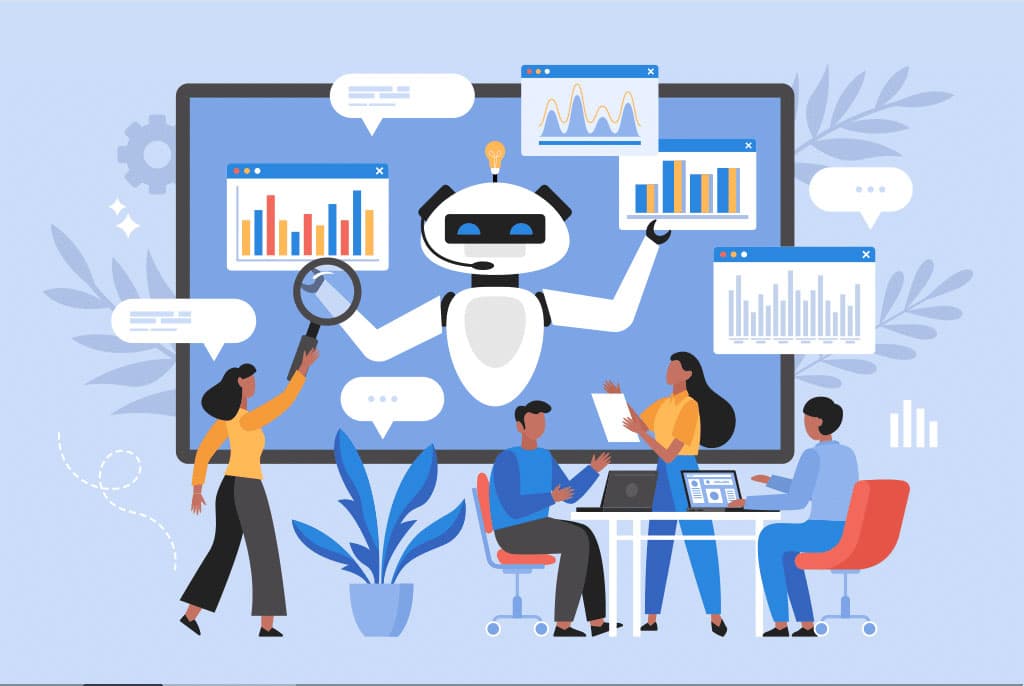

Artificial intelligence is rapidly reshaping the way businesses approach employee onboarding and the overall workplace journey. Companies of all sizes are seeking ways to streamline processes, personalize training, and improve retention—all while saving time and resources. Understanding how to use AI for employee onboarding can help organizations create a more engaging and efficient environment for new hires, setting the stage for long-term success.
As technology evolves, leveraging AI-driven solutions is no longer reserved for large enterprises. Even small and medium-sized businesses are discovering practical ways to automate repetitive tasks, deliver tailored learning experiences, and gather actionable insights from onboarding data. This article explores the key benefits, use cases, and best practices for integrating AI into the employee journey, from the first day to ongoing development.
For organizations interested in broader applications of artificial intelligence, our guide to ai-powered seo for local businesses offers insights into optimizing digital presence using smart tools.
Why AI Is Transforming Employee Onboarding
Traditional onboarding processes often involve manual paperwork, generic training modules, and inconsistent communication. These methods can lead to confusion, disengagement, and a slower ramp-up for new hires. By introducing AI-powered tools, companies can automate routine tasks, provide personalized learning paths, and ensure a smoother transition for employees joining the team.
The use of artificial intelligence in onboarding brings several advantages:
- Efficiency: Automates repetitive administrative work, freeing up HR professionals to focus on strategic initiatives.
- Personalization: Delivers custom training and resources based on each employee’s role, background, and learning style.
- Consistency: Ensures all new hires receive the same high-quality information and support, regardless of location or department.
- Data-Driven Insights: Tracks progress and identifies areas for improvement in real time.

Key Ways to Implement AI in the Onboarding Process
There are several practical methods for integrating artificial intelligence into the onboarding journey. Here are some of the most effective approaches:
Automated Document Management and Compliance
AI-powered platforms can handle document collection, verification, and compliance tracking. New hires can upload identification, sign contracts, and complete mandatory forms through secure digital portals. The system automatically checks for missing information and notifies both HR and the employee, reducing manual follow-up and errors.
Personalized Training and Learning Paths
One of the most valuable applications of AI is the ability to tailor onboarding content to each individual. Intelligent systems assess a new employee’s background, skills, and job requirements, then recommend specific training modules, videos, or resources. This targeted approach helps employees gain relevant knowledge faster and feel more confident in their roles.
Conversational AI and Virtual Assistants
Chatbots and virtual assistants can answer common questions, provide guidance on company policies, and help new hires navigate their first days. These tools are available 24/7, ensuring support is always accessible—even outside of regular business hours. By automating responses to routine inquiries, HR teams can focus on more complex or sensitive matters.
Feedback Collection and Sentiment Analysis
Gathering feedback is essential for improving the onboarding experience. AI-driven surveys and sentiment analysis tools can monitor employee satisfaction, identify potential issues early, and suggest actionable improvements. This data-driven approach enables organizations to continuously refine their onboarding programs for better outcomes.
Enhancing Employee Experience Beyond Onboarding
The benefits of artificial intelligence extend well beyond the initial onboarding phase. AI can support ongoing learning, career development, and employee engagement throughout the entire lifecycle. For example, intelligent platforms can recommend upskilling opportunities, match employees with mentors, and monitor engagement levels to reduce turnover risk.
Integrating AI into the employee journey also helps foster a culture of continuous improvement. By analyzing performance data and feedback, organizations can identify trends, address challenges proactively, and celebrate successes. This creates a more supportive and dynamic workplace where employees feel valued and empowered.
Best Practices for Adopting AI in Onboarding and Experience
To maximize the impact of AI-driven solutions, organizations should follow these best practices:
- Start Small: Begin with one or two AI-powered tools, such as automated document management or a virtual assistant, before expanding to more complex applications.
- Focus on User Experience: Ensure that AI systems are intuitive and easy for both HR staff and new hires to use.
- Prioritize Data Privacy: Protect sensitive employee information by choosing platforms with robust security features and compliance certifications. For more on this, see our article on how to protect sensitive data when using ai.
- Measure and Iterate: Regularly review onboarding metrics and employee feedback to refine processes and improve outcomes.
- Promote Transparency: Clearly communicate how AI is being used and how it benefits employees, building trust and reducing resistance to new technologies.
Common Challenges and How to Overcome Them
While the advantages of AI in onboarding are significant, there are also challenges to consider:
- Integration with Existing Systems: Ensure that new AI tools can connect seamlessly with HR software and other platforms already in use.
- Change Management: Provide training and support to help staff adapt to new workflows and technologies.
- Bias and Fairness: Choose AI solutions that are designed to minimize bias and promote equitable treatment for all employees.
- Cost Considerations: Evaluate the return on investment and select solutions that align with your organization’s size and needs.
For additional strategies on leveraging artificial intelligence in business, you can explore this resource on using AI in small business operations.
FAQ: AI and Employee Onboarding
How does AI personalize the onboarding process?
AI analyzes a new hire’s role, background, and learning preferences to deliver tailored training modules, resources, and support. This ensures that each employee receives relevant information and guidance, improving engagement and retention from day one.
What are some examples of AI tools used in onboarding?
Common examples include automated document management systems, chatbots for answering HR questions, personalized learning platforms, and feedback collection tools that use sentiment analysis to monitor employee satisfaction.
Is it difficult to implement AI in small businesses?
Many AI-powered onboarding solutions are designed for ease of use and can be integrated with minimal technical expertise. Starting with a single tool, such as a virtual assistant or automated compliance tracker, allows small businesses to experience benefits without a large upfront investment.
How can organizations ensure data privacy when using AI in onboarding?
Choose platforms with strong security measures, comply with relevant data protection regulations, and communicate clearly with employees about how their information is used and protected.
Can AI help with ongoing employee development?
Yes, AI can recommend upskilling opportunities, track progress, and provide personalized learning paths throughout an employee’s career, supporting continuous growth and engagement.
As artificial intelligence continues to evolve, its role in shaping the employee journey will only expand. By adopting smart, ethical, and user-friendly AI solutions, organizations can create a more welcoming and productive environment for every team member.