

Artificial intelligence is rapidly changing the way businesses connect with customers, analyze data, and deliver personalized experiences. AI marketing refers to the use of machine learning, automation, and data-driven technologies to improve and streamline marketing activities. For those new to this field, understanding how these tools work and what benefits they offer can be a game-changer for any marketing strategy.
Whether you’re a small business owner, a marketer looking to stay ahead, or simply curious about the latest trends, this guide will break down the essentials of AI-powered marketing. We’ll cover what it is, how it works, its main applications, and how you can start leveraging it for better results. If you’re interested in more advanced uses, you might also want to explore topics like generative ai marketing, which dives into how AI creates content and creative assets.
Understanding the Basics of AI in Marketing
At its core, AI marketing involves using artificial intelligence technologies to automate, optimize, and personalize marketing tasks. These technologies include machine learning, natural language processing, predictive analytics, and more. By analyzing large volumes of data, AI systems can identify patterns, predict customer behavior, and automate repetitive tasks—freeing up marketers to focus on strategy and creativity.
Some common examples include chatbots that answer customer queries, recommendation engines that suggest products, and automated email campaigns that adapt to user behavior. These tools help brands deliver more relevant content, improve customer engagement, and ultimately drive better business outcomes.
Key Benefits of AI-Driven Marketing
Embracing AI in your marketing efforts offers several advantages:
- Personalization at Scale: AI can tailor messages, offers, and content to individual users based on their preferences and behaviors.
- Improved Efficiency: Automation reduces manual work, allowing teams to focus on high-impact activities.
- Data-Driven Decisions: AI analyzes vast datasets quickly, uncovering insights that inform smarter marketing strategies.
- Enhanced Customer Experience: Chatbots, recommendation engines, and predictive tools make interactions smoother and more relevant.
- Cost Savings: By automating repetitive tasks, businesses can reduce operational costs.
For those looking to build a comprehensive approach, learning how to create an ai marketing strategy can help you align technology with your business goals.

Common Applications of AI in Modern Marketing
AI-powered solutions are transforming nearly every aspect of digital marketing. Here are some of the most impactful applications:
1. Content Creation and Curation
AI tools can generate blog posts, social media updates, product descriptions, and more. They also help curate content by analyzing what resonates with your audience. For example, generative AI can assist in creating visuals and copy that align with your brand voice.
2. Customer Segmentation and Targeting
Machine learning algorithms analyze customer data to group users by interests, behaviors, or demographics. This allows marketers to deliver highly targeted campaigns, increasing the likelihood of engagement and conversion.
3. Predictive Analytics
Predictive models use historical data to forecast future trends, such as which leads are most likely to convert or which products will be in demand. This helps businesses allocate resources more effectively and plan campaigns with greater precision.
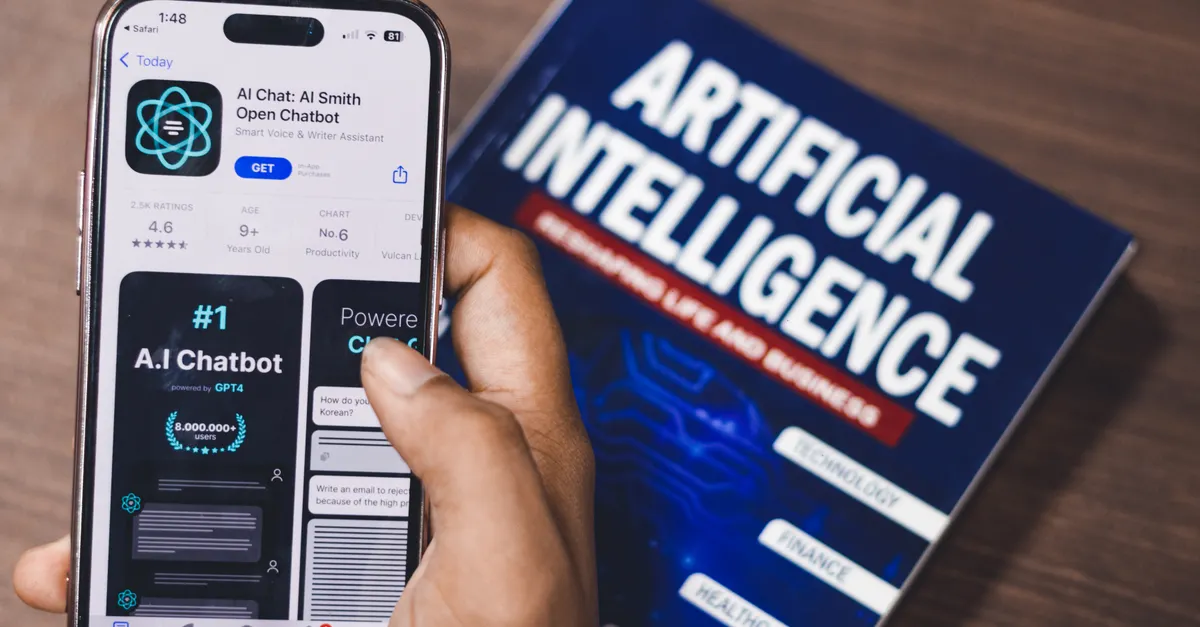
4. Chatbots and Virtual Assistants
AI-driven chatbots provide instant support, answer frequently asked questions, and guide users through the buying process. They operate 24/7, improving customer satisfaction and freeing up human agents for more complex tasks.
5. Marketing Automation
From scheduling emails to managing ad campaigns, automation platforms powered by AI streamline routine tasks. This not only saves time but also ensures consistent and timely communication with customers. For a deeper dive, see our guide on ai marketing automation.
How AI Marketing Works: The Technology Behind the Scenes
The effectiveness of AI in marketing relies on several advanced technologies:
- Machine Learning: Algorithms learn from data to make predictions or decisions without explicit programming.
- Natural Language Processing (NLP): Enables computers to understand, interpret, and generate human language, powering chatbots and content tools.
- Computer Vision: Allows AI to interpret images and videos, useful for visual content analysis and creation.
- Predictive Analytics: Uses statistical models to forecast outcomes and trends based on historical data.
These technologies work together to analyze customer interactions, optimize campaigns, and deliver personalized experiences. For example, an AI-powered email platform might analyze open rates and click behavior to automatically adjust subject lines or send times for better engagement.
Getting Started: Steps to Implement AI in Your Marketing
Adopting AI in your marketing doesn’t require a massive budget or technical expertise. Here are some practical steps to begin:
- Identify Your Goals: Define what you want to achieve—better personalization, increased efficiency, or improved analytics.
- Audit Your Data: Ensure you have access to quality data, as AI relies on accurate information to deliver results.
- Choose the Right Tools: Start with user-friendly platforms that offer AI features, such as automated email marketing, chatbots, or analytics dashboards.
- Test and Measure: Run small experiments, track performance, and refine your approach based on results.
- Stay Informed: The AI landscape evolves quickly. Keep learning about new tools and best practices to stay competitive. For example, understanding AI SEO and Search Optimization can help you adapt your content strategy as search engines become more intelligent.
Challenges and Considerations
While AI offers many benefits, there are also challenges to consider:
- Data Privacy: Collecting and using customer data responsibly is critical. Ensure compliance with regulations like GDPR.
- Integration: Combining AI tools with existing systems can require technical support and careful planning.
- Bias and Accuracy: AI models can reflect biases present in training data. Regularly review outputs for fairness and accuracy.
- Cost: While many solutions are affordable, advanced customizations may require additional investment.
By addressing these challenges early, businesses can maximize the value of AI while minimizing risks.
Future Trends in AI-Powered Marketing
The future of marketing will be shaped by ongoing advancements in artificial intelligence. Expect to see:
- Greater Personalization: Hyper-targeted campaigns that adapt in real time to user behavior.
- Voice and Visual Search: As consumers use voice assistants and image-based search, AI will play a bigger role in optimizing for these channels.
- Automated Creative Generation: Tools that produce graphics, videos, and copy with minimal human input. For instance, you can learn how to create better social media graphics with AI to enhance your brand presence.
- Deeper Integration: AI will become more embedded in every stage of the marketing funnel, from awareness to retention.
Frequently Asked Questions
What types of businesses can benefit from AI in marketing?
Companies of all sizes and industries can leverage AI to improve their marketing. Small businesses can use automation for efficiency, while larger organizations may deploy advanced analytics and personalization at scale.
Is AI marketing expensive to implement?
Costs vary depending on the tools and level of customization required. Many entry-level solutions are affordable and offer free trials, making it accessible for most businesses to start experimenting.
How does AI help with content creation?
AI-powered platforms can generate written content, suggest topics, and even create visuals. These tools analyze audience preferences and engagement data to produce content that resonates with your target market.
Can AI replace human marketers?
While AI can automate repetitive tasks and provide valuable insights, human creativity and strategic thinking remain essential. The best results come from combining AI tools with human expertise.
Conclusion
Artificial intelligence is transforming the marketing landscape by making campaigns smarter, more efficient, and highly personalized. By understanding the basics, exploring practical applications, and starting with the right tools, anyone can begin to harness the power of AI for better marketing outcomes. As the technology continues to evolve, staying informed and adaptable will help you stay ahead in this dynamic field.