

Managing a brand’s presence across multiple social platforms can be a demanding task for any business. As digital channels continue to expand, the need for streamlined processes has become more pressing. Automated social media management offers a solution by leveraging technology to handle routine tasks, improve consistency, and free up time for more strategic work. This guide explores the advantages, practical applications, and ethical considerations of automation in social media, helping businesses make informed decisions about integrating these tools into their marketing efforts.
Understanding Automated Social Media Management
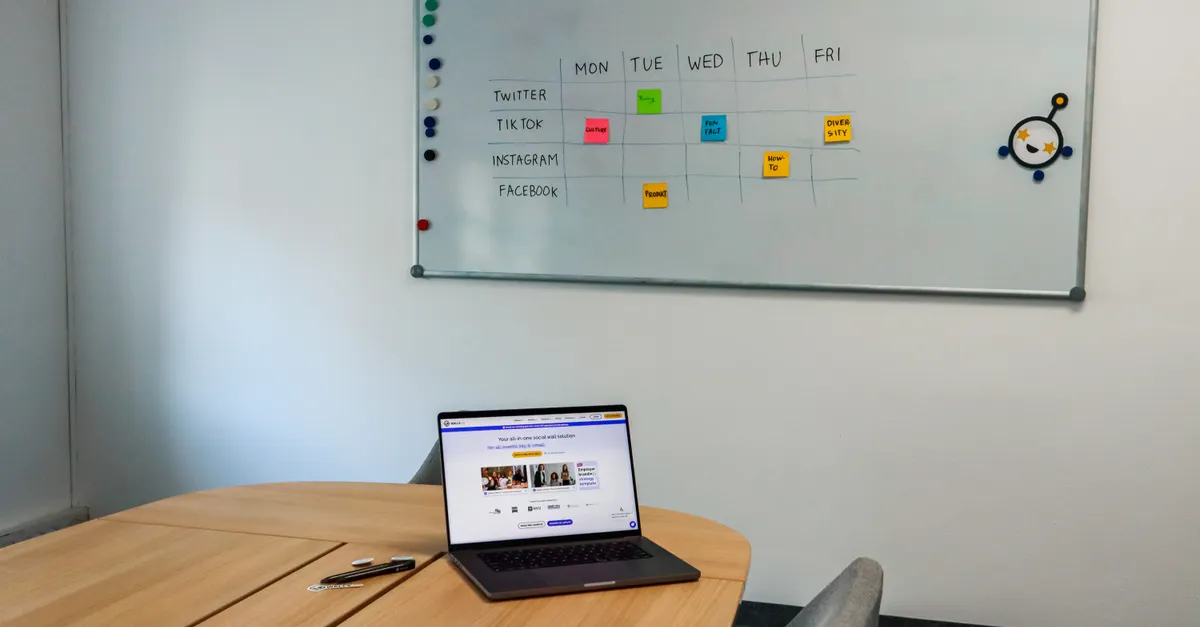
Automated social media management refers to the use of software and AI-powered tools to plan, schedule, publish, and sometimes even analyze content across various social platforms. Rather than manually posting updates or tracking engagement, businesses can rely on automation to handle repetitive tasks. This approach has become increasingly essential as the volume and complexity of digital marketing grow. With more brands competing for attention online, maintaining a consistent and responsive presence is crucial for staying relevant and building relationships with audiences.
Key Benefits of Social Media Automation
Adopting automation in social media brings a range of advantages that can transform how businesses operate online. Here are some of the most significant benefits of automated social media management:
- Time Efficiency: Automation tools allow teams to schedule content in advance, reducing the daily workload. According to Forbes, batch scheduling frees up time for strategic planning and creative work, rather than repetitive posting.
- Consistency and Frequency: Maintaining a regular posting schedule is easier with automation. This ensures that audiences receive a steady flow of content, which is vital for engagement and brand recall. Automated posting helps avoid gaps or overlaps that can occur with manual management.
- Improved Engagement: By ensuring posts go live at optimal times, automation can boost visibility and interaction rates. AI-driven features can even tailor content to audience preferences, enhancing relevance and appeal.
- Scalability: As businesses grow, managing multiple accounts and campaigns manually becomes unsustainable. Automation makes it possible to handle larger volumes without sacrificing quality or oversight.
- Data-Driven Insights: Many automation platforms offer analytics and reporting, helping businesses track performance and make informed decisions based on real-time data.
The adoption of these tools is widespread: a recent industry report highlighted that 83% of marketing departments are already automating their social posting. The market for social media automation is projected to reach USD 12.8 billion by 2033, reflecting its growing importance in the business landscape.
Tasks That Can Be Automated in Social Media Management
Automation is not limited to just scheduling posts. A variety of tasks can be streamlined using the right tools, allowing businesses to focus on higher-level strategy and creative development. Common activities suitable for automation include:
- Content Scheduling: Plan and queue posts across multiple platforms, ensuring timely publication even outside of business hours.
- Monitoring and Alerts: Set up automated alerts for brand mentions, keywords, or competitor activity, allowing for quick responses without constant manual monitoring.
- Reporting and Analytics: Generate regular performance reports, track engagement metrics, and analyze trends automatically.
- Customer Interaction: Use AI-powered chatbots to handle common customer queries, provide instant responses, and direct users to helpful resources.
- Content Curation: Automatically gather and share relevant third-party content, keeping feeds active and audiences engaged.
By automating these tasks, businesses can allocate more resources to developing creative campaigns, building relationships, and refining their overall social media strategy. For those interested in exploring specific automated social media management features, it’s worth reviewing which capabilities align best with your business goals.
Risks and Ethical Considerations of Automation
While the benefits of automated social media management are clear, it’s important to recognize the potential risks and ethical challenges that come with increased reliance on technology. Businesses should be mindful of the following considerations:
- Loss of Authenticity: Over-automation can make brand communications feel impersonal or robotic, potentially alienating audiences who value genuine interaction.
- Reputation Risks: Automated responses or scheduled posts may go live during sensitive events or crises, leading to inappropriate or poorly timed messaging.
- Data Privacy: Automation tools often require access to account data and audience information. Ensuring compliance with privacy regulations and ethical data use is essential.
- Algorithmic Bias: AI-driven tools can inadvertently reinforce biases present in their training data, affecting content recommendations or audience targeting.
- Reduced Human Oversight: Relying too heavily on automation may result in missed opportunities for nuanced engagement or creative problem-solving.
Ethical use of automation means balancing efficiency with responsibility. For example, while AI-powered chatbots can enhance customer service and engagement, they should be clearly identified as automated and designed to escalate complex issues to human agents when necessary. According to academic research, AI and automation enable hyper-personalization and efficiency, but businesses must remain vigilant about the potential for misuse or unintended consequences.
Integrating Automation Into Your Social Media Strategy
To maximize the value of automation, businesses should approach implementation thoughtfully. Start by identifying which tasks are most time-consuming or repetitive, and select tools that address those needs without compromising brand voice or customer experience. It’s also important to regularly review automated processes, making adjustments based on performance data and audience feedback.
Consider the following steps for effective integration:
- Assess Your Needs: Determine which platforms, content types, and engagement activities would benefit most from automation.
- Choose the Right Tools: Evaluate automation platforms based on features, ease of use, and compatibility with your existing workflows.
- Set Clear Guidelines: Establish policies for automated content, including approval processes and escalation protocols for sensitive issues.
- Monitor and Adjust: Use analytics to track the impact of automation, making changes as needed to improve outcomes and maintain authenticity.
For businesses in specific sectors, such as retail, exploring automated social media management for e-commerce can provide tailored insights and best practices.
Pros and Cons of Social Media Automation
Before fully embracing automation, it’s helpful to weigh the advantages and disadvantages:
Pros
- Significant time savings for marketing teams
- Consistent posting and improved audience reach
- Enhanced ability to scale campaigns
- Access to detailed analytics and reporting
- Improved customer service through AI chatbots
Cons
- Potential loss of personal touch in communications
- Risk of inappropriate or mistimed posts
- Dependence on technology and possible technical issues
- Ethical concerns regarding data privacy and AI bias

Frequently Asked Questions
What are the most common tasks automated in social media management?
Typical tasks include content scheduling, monitoring brand mentions, generating analytics reports, and handling basic customer inquiries through chatbots. Automation tools can also assist with content curation and audience segmentation.
How does automation affect social media engagement?
Automation can improve engagement by ensuring posts are published at optimal times and by providing timely responses to customer interactions. However, maintaining a balance between automated and personal engagement is key to building lasting relationships.
Are there risks to automating social media activities?
Yes, risks include the possibility of posts going live at inappropriate times, reduced authenticity, and potential data privacy concerns. It’s important to monitor automated activities and have safeguards in place to address issues quickly.
Conclusion
Automated social media management offers substantial benefits for businesses looking to streamline operations, maintain a consistent online presence, and engage audiences more effectively. However, it’s essential to approach automation with a clear strategy, considering both its advantages and the ethical implications. By leveraging the right tools and maintaining oversight, businesses can harness automation to support growth while preserving authenticity and trust with their audience.