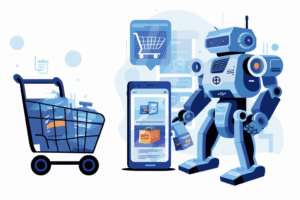
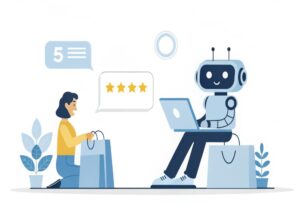
The rapid evolution of ai for ecommerce stores is reshaping how online retailers operate and compete. Artificial intelligence is no longer a futuristic concept—it’s a practical tool that helps businesses personalize shopping experiences, automate repetitive tasks, and make smarter decisions. Whether you run a small boutique or a large online marketplace, leveraging these technologies can lead to higher sales, improved efficiency, and a better customer journey.
As digital commerce becomes more competitive, understanding how to integrate AI-driven solutions is essential for staying ahead. This article explores practical strategies, real-world applications, and actionable steps to help online store owners maximize the benefits of artificial intelligence.

For those interested in a deeper dive into the technical side of AI-powered retail, resources like Oracle’s overview of AI in retail offer valuable insights into the latest trends and solutions.
How Artificial Intelligence Is Transforming Online Retail
The adoption of ai for ecommerce stores is driving a new era of digital transformation. Retailers are using machine learning, natural language processing, and predictive analytics to solve challenges that were once considered complex or time-consuming.
- Personalized product recommendations: AI analyzes browsing and purchase history to suggest items tailored to each shopper, increasing conversion rates and average order value.
- Automated customer support: Chatbots and virtual assistants handle common queries, process returns, and offer instant help, freeing up human agents for more complex issues.
- Inventory management: Predictive tools forecast demand, optimize stock levels, and reduce the risk of overstocking or running out of popular products.
- Fraud detection: Machine learning algorithms monitor transactions in real time, flagging suspicious activity and reducing chargebacks.
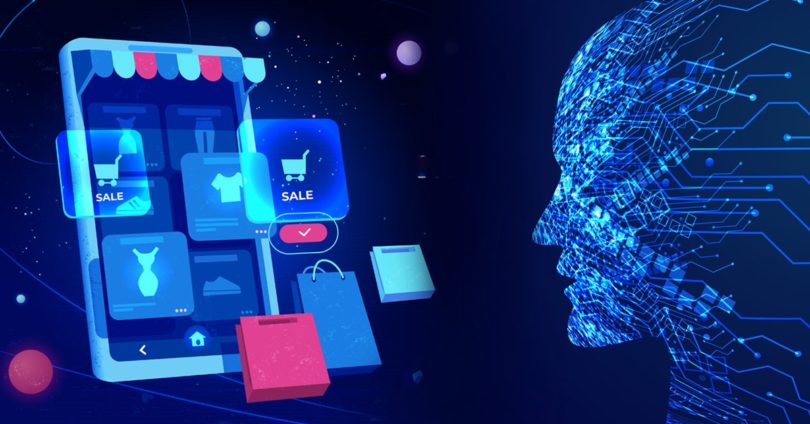
Key Benefits of Integrating AI Into Your E-Commerce Business
Implementing artificial intelligence brings measurable advantages to digital storefronts. Here are some of the most impactful benefits:
Enhanced Customer Experience
AI-powered personalization engines deliver relevant product suggestions, targeted promotions, and dynamic content. This creates a more engaging shopping environment, encouraging repeat visits and fostering loyalty.
Operational Efficiency and Cost Savings
Automation reduces manual workloads in areas like order processing, inventory tracking, and customer service. This not only cuts costs but also minimizes human error, allowing teams to focus on growth and innovation.
Data-Driven Decision Making
By analyzing large volumes of data, AI tools uncover trends and patterns that inform marketing, merchandising, and supply chain strategies. Retailers can react quickly to changes in demand and optimize their offerings accordingly.
Practical Ways to Use AI for E-Commerce Stores
There are several practical applications for artificial intelligence in online retail. Here are some of the most effective ways to harness its power:
- Smart Search and Visual Recognition: AI-driven search engines help customers find products faster by understanding intent, correcting typos, and even allowing image-based searches.
- Dynamic Pricing: Machine learning algorithms adjust prices in real time based on demand, competitor pricing, and inventory levels, maximizing revenue without manual intervention.
- Automated Marketing Campaigns: AI segments audiences, personalizes email content, and schedules promotions at optimal times, increasing engagement and sales.
- Customer Insights and Segmentation: Advanced analytics group customers by behavior, preferences, and purchase history, enabling targeted outreach and better product development.
- Supply Chain Optimization: Predictive analytics forecast sales trends, helping retailers plan inventory, reduce waste, and streamline logistics.

Steps to Implement AI Solutions in Your Online Store
Getting started with artificial intelligence doesn’t require a massive budget or technical expertise. Follow these steps to begin integrating AI into your e-commerce operations:
- Identify Pain Points: Assess which areas of your business could benefit most from automation or data-driven insights—such as customer service, inventory, or marketing.
- Research Suitable Tools: Explore AI platforms and plugins designed for your e-commerce platform (like Shopify, Magento, or WooCommerce). Many offer plug-and-play functionality.
- Start Small and Scale: Begin with a single use case—such as a chatbot or personalized recommendation engine—then expand as you measure results and gain confidence.
- Train Your Team: Ensure staff understand how to use new tools and interpret AI-generated insights. Ongoing training helps maximize ROI.
- Monitor and Optimize: Regularly review performance metrics and customer feedback to refine your AI strategies and achieve continuous improvement.
Challenges and Considerations When Using AI in E-Commerce
While the benefits are significant, there are also challenges to consider when adopting artificial intelligence:
- Data Privacy: Collecting and processing customer data must comply with regulations like GDPR. Transparency and security are essential.
- Integration Complexity: Some AI solutions require technical integration or customization. Choosing tools compatible with your existing systems can ease this process.
- Cost: While many AI tools are affordable, advanced features or custom solutions may require a larger investment.
- Change Management: Staff may need time to adapt to new workflows and technologies. Clear communication and training can help smooth the transition.
Frequently Asked Questions
How can small businesses benefit from AI in online retail?
Small retailers can use AI-powered tools to automate customer service, personalize marketing, and optimize inventory—helping them compete with larger brands and improve efficiency without a large team.
What are some easy ways to start using AI for e-commerce stores?
Begin with plug-and-play solutions like chatbots, product recommendation engines, or automated email marketing platforms. These tools are often easy to integrate and deliver quick results.
Is it expensive to implement AI in an online store?
Costs vary depending on the complexity and scale of the solution. Many AI tools offer affordable monthly plans, and starting with a single feature can keep initial expenses low.
How does AI improve the customer experience in e-commerce?
Artificial intelligence personalizes product suggestions, speeds up customer support, and ensures shoppers see relevant content—making the shopping journey smoother and more enjoyable.