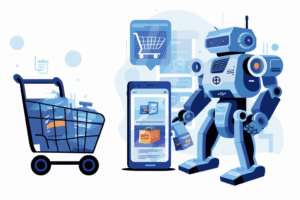

The rapid evolution of e-commerce has made product presentation more critical than ever. As online shoppers rely solely on digital experiences to make purchasing decisions, retailers are turning to ai in digital merchandising to create engaging, personalized, and visually compelling storefronts. Artificial intelligence is transforming how products are displayed, recommended, and discovered, helping brands stand out in a crowded marketplace.
Leveraging machine learning and automation, businesses can now optimize everything from product images to personalized recommendations, ensuring that each visitor sees the most relevant and appealing content. This guide explores the practical ways artificial intelligence is reshaping online merchandising, offering actionable strategies for retailers seeking to boost engagement and sales.
For a deeper dive into how artificial intelligence is transforming retail, you may also want to read about artificial intelligence in retail and its impact on shopping behavior.
Understanding the Role of Artificial Intelligence in Online Merchandising
At its core, ai in digital merchandising refers to the use of intelligent algorithms and data-driven systems to enhance how products are showcased and promoted on e-commerce platforms. This technology analyzes user behavior, preferences, and trends to deliver tailored experiences that increase the likelihood of conversion.
Some of the most common applications include:
- Personalized product recommendations based on browsing and purchase history
- Automated image enhancement and optimization for faster page loads
- Dynamic pricing and inventory management
- Smart search and filtering that adapts to user intent
- Content personalization, such as banners and promotions tailored to individual shoppers
Key Benefits of Intelligent Merchandising Solutions
Integrating artificial intelligence into your merchandising strategy offers several tangible advantages. Here are some of the most impactful benefits:
- Increased conversion rates: By showing shoppers the most relevant products and offers, AI-driven merchandising can significantly boost sales.
- Enhanced customer experience: Personalized content and recommendations make the shopping journey smoother and more enjoyable.
- Operational efficiency: Automation reduces manual work, allowing teams to focus on strategy and creativity rather than repetitive tasks.
- Data-driven decision making: Real-time analytics and insights help retailers quickly adapt to changing trends and customer preferences.
For online sellers looking to streamline operations and grow their business, exploring ai tools for online sellers can provide additional resources and solutions.
How to Implement AI for Enhanced Product Presentation
Adopting ai in digital merchandising involves more than just installing a plugin or software. It requires a thoughtful approach to integrating technology with your brand’s unique goals and customer base. Here’s a step-by-step overview:
- Assess your current merchandising strategy: Identify areas where automation and personalization could have the greatest impact, such as product recommendations or image optimization.
- Choose the right AI solutions: Research platforms and tools that align with your business needs. Consider scalability, integration with your existing systems, and ease of use.
- Integrate with your e-commerce platform: Ensure seamless data flow between your online store and AI tools to maximize efficiency and accuracy.
- Monitor and optimize: Use analytics to track performance, test new strategies, and refine your approach based on real customer data.
Personalization and Product Discovery with AI
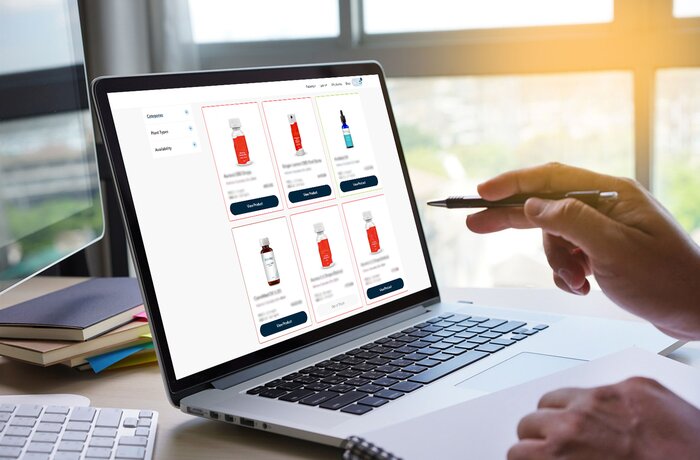
One of the most transformative aspects of intelligent merchandising is its ability to personalize the shopping experience. By analyzing vast amounts of data, AI can predict what products a shopper is most likely to be interested in and present them at the right moment.
This goes beyond simple “customers also bought” suggestions. Advanced algorithms can tailor entire landing pages, emails, and even search results based on individual preferences and behaviors. As a result, customers are more likely to discover products that resonate with their needs, leading to higher satisfaction and loyalty.
For more insights on how these technologies are shaping the future of online retail, see our article on how ai is changing online shopping.
Visual Merchandising: Optimizing Product Images and Displays
High-quality visuals are essential for online sales, but creating and managing them at scale can be challenging. AI-powered tools can automatically enhance product photos, generate lifestyle images, and even create 3D or augmented reality previews. These capabilities help brands deliver a more immersive and informative shopping experience.
Additionally, AI can analyze which images perform best and adjust displays accordingly, ensuring that the most effective visuals are always front and center. This data-driven approach to visual merchandising can lead to measurable improvements in engagement and conversion rates.
Best Practices for Integrating AI into Your Merchandising Strategy
To make the most of ai in digital merchandising, consider these practical tips:
- Start small and scale: Begin with one or two high-impact use cases, such as personalized recommendations or automated image enhancement, before expanding to more complex solutions.
- Prioritize data quality: The effectiveness of AI depends on the accuracy and completeness of your data. Invest in data hygiene and integration.
- Test and iterate: Continuously monitor results, run A/B tests, and refine your approach based on performance metrics.
- Educate your team: Ensure that staff understand how AI works and how to leverage its insights for better merchandising decisions.
For a comprehensive overview of how artificial intelligence can boost sales and streamline operations, explore our resource on ai for ecommerce stores.
Trends Shaping the Future of AI-Driven Merchandising
The landscape of digital merchandising is evolving rapidly, with several trends set to define the next generation of online retail:
- Visual search and recognition: Shoppers can find products by uploading photos, with AI matching them to similar items in your catalog.
- Conversational commerce: AI-powered chatbots and virtual assistants guide users through product discovery and purchasing.
- Real-time personalization: Merchandising strategies adapt instantly to user behavior, device, location, and even weather conditions.
- Augmented and virtual reality: AI enhances immersive experiences, allowing customers to visualize products in their own space.
For further reading on the broader impact of artificial intelligence in e-commerce, see this comprehensive guide to AI in e-commerce.
Frequently Asked Questions
How does artificial intelligence improve product recommendations?
AI analyzes customer data, such as browsing history, purchase patterns, and preferences, to suggest products that are most relevant to each individual. This leads to more accurate recommendations, higher engagement, and increased sales.
Is it difficult to integrate AI tools with existing e-commerce platforms?
Many modern AI solutions are designed for easy integration with popular e-commerce platforms. However, the process may require some technical setup and data preparation to ensure seamless operation and optimal results.
What are the main challenges of adopting AI in digital merchandising?
Common challenges include ensuring data quality, selecting the right tools, training staff, and maintaining customer privacy. Overcoming these hurdles requires a clear strategy, ongoing education, and a focus on continuous improvement.