The journey with a customer doesn’t end at checkout. In today’s competitive e-commerce landscape, brands that focus on the period after a sale are seeing significant gains in loyalty, repeat business, and advocacy. AI in post purchase experience is rapidly transforming how companies nurture relationships, personalize follow-ups, and deliver ongoing value to shoppers. By leveraging artificial intelligence, businesses can create seamless, engaging, and highly relevant interactions that keep customers coming back.
From automated support to hyper-personalized recommendations, the use of smart technology is redefining what happens after a transaction. This article explores practical ways AI is being used to enhance post-sale engagement, retain buyers, and build lasting brand trust. For those interested in optimizing every stage of the customer journey, understanding these innovations is essential.

If you’re looking to deepen customer retention even further, you may also want to explore how AI helps customer retention in online retail, which dives into related strategies for building ongoing loyalty.
Why Artificial Intelligence Matters After the Sale
Many businesses invest heavily in attracting new buyers, but the real value often lies in what happens after a purchase. AI in post purchase experience allows brands to automate, personalize, and optimize every touchpoint that follows the initial transaction. This includes everything from order tracking and proactive support to tailored product suggestions and feedback collection.
By analyzing customer data and behavior, AI systems can anticipate needs, resolve issues before they escalate, and deliver content that feels uniquely relevant. This proactive approach not only increases satisfaction but also reduces churn and encourages repeat orders.
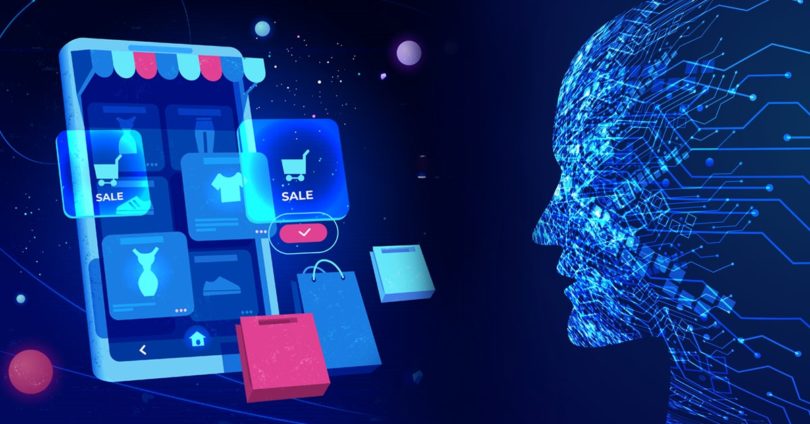
Key Areas Where AI Enhances Post-Purchase Engagement
Personalized Recommendations and Upselling
One of the most effective uses of AI in post purchase experience is delivering personalized product recommendations. After a customer completes a transaction, AI algorithms analyze their purchase history, browsing habits, and preferences to suggest complementary items or upgrades. This not only increases average order value but also demonstrates that the brand understands and values each shopper’s unique tastes.
For e-commerce stores, integrating AI-driven upselling and cross-selling can be a game changer. These systems can send follow-up emails or notifications with curated suggestions, increasing the likelihood of additional purchases without feeling intrusive.
Automated and Proactive Customer Support
Customers expect quick, accurate answers to their questions—especially after making a purchase. AI-powered chatbots and virtual assistants are now capable of handling everything from order status inquiries to troubleshooting common issues. By providing 24/7 support, these tools reduce wait times and free up human agents for more complex requests.
Proactive support is another area where artificial intelligence shines. For example, if a delivery is delayed, AI can automatically notify the customer, apologize, and offer solutions before the buyer even reaches out. This level of responsiveness builds trust and minimizes frustration.
Smart Order Tracking and Notifications
Keeping customers informed about their orders is crucial for a positive experience. AI systems can generate real-time updates, predict delivery windows, and even adjust notifications based on customer preferences. This transparency reduces anxiety and keeps buyers engaged throughout the fulfillment process.
Some advanced platforms also use AI to detect potential issues in the supply chain and alert customers proactively, offering alternatives or compensation if necessary.
Collecting and Acting on Feedback with AI
Gathering feedback is essential for continuous improvement. AI-powered tools can automatically send post-purchase surveys, analyze responses for sentiment, and identify trends or areas for improvement. By acting on this data, brands can refine their products, services, and communication strategies.
Natural language processing (NLP) enables AI to interpret open-ended feedback, extracting actionable insights from customer comments. This helps businesses address pain points quickly and demonstrate that they value input from their audience.
Retargeting and Re-Engagement Campaigns Powered by AI
Not every customer will return on their own. AI-driven retargeting campaigns use purchase data and behavioral signals to deliver timely, relevant messages that encourage repeat visits. Whether it’s a reminder about a replenishable product or a personalized discount, these campaigns are far more effective when powered by intelligent algorithms.
AI can also help segment audiences based on their likelihood to repurchase, ensuring that marketing resources are focused where they’ll have the greatest impact.

Integrating AI with Your E-Commerce Stack
Implementing ai in post purchase experience doesn’t require a complete overhaul of your existing systems. Many e-commerce platforms now offer plug-and-play integrations with AI-powered apps and services. These solutions can be tailored to fit your brand’s specific needs, whether you’re focused on support automation, personalized marketing, or smart analytics.
For those interested in how artificial intelligence can boost other aspects of online retail, resources like ai keyword generation for ecommerce and automating product descriptions with ai provide valuable insights into optimizing product discovery and content creation.
Best Practices for Using AI After Checkout
- Start with clear goals: Define what you want to achieve—higher retention, better support, or increased upsells.
- Prioritize transparency: Let customers know when they’re interacting with AI and how their data is used.
- Test and iterate: Continuously monitor results and refine your AI strategies based on real-world feedback.
- Balance automation with human touch: Use AI to handle routine tasks but ensure human agents are available for complex or sensitive issues.
- Integrate across channels: Ensure your AI-powered experiences are consistent on email, SMS, chat, and your website.
For a broader perspective on how artificial intelligence is shaping retail, consider reading Oracle’s overview of AI in retail, which highlights emerging trends and case studies from leading brands.
Frequently Asked Questions
How does AI personalize the post-purchase journey?
Artificial intelligence analyzes customer data—such as purchase history, browsing behavior, and preferences—to deliver tailored recommendations, relevant content, and proactive support. This creates a more engaging and satisfying experience after the sale.
Can AI help reduce customer support workload after a sale?
Yes, AI-powered chatbots and virtual assistants can handle routine inquiries, provide order updates, and resolve common issues automatically. This allows human agents to focus on more complex or sensitive cases, improving efficiency and customer satisfaction.
What are some risks to consider when using AI in post-purchase engagement?
Potential risks include over-automation (which can feel impersonal), data privacy concerns, and the possibility of inaccurate recommendations. It’s important to balance automation with human oversight and be transparent about how customer data is used.
How can AI-driven feedback collection improve products and services?
AI tools can analyze large volumes of feedback quickly, identifying trends, sentiment, and specific pain points. This enables brands to make targeted improvements and demonstrate responsiveness to customer needs.
Conclusion
Leveraging ai in post purchase experience is no longer a luxury—it’s becoming a necessity for brands that want to stand out and foster lasting customer relationships. By automating routine tasks, personalizing communication, and proactively addressing needs, artificial intelligence helps businesses turn one-time buyers into loyal advocates. As technology continues to evolve, those who embrace these tools will be best positioned to deliver exceptional value at every stage of the customer journey.
To further enhance your e-commerce strategy, explore topics like ai for SEO optimization and how ai improves product discovery for a comprehensive approach to digital growth.