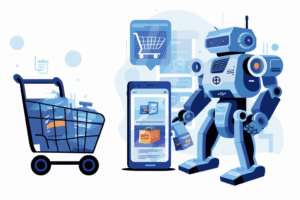

The world of e-commerce is undergoing a profound transformation as artificial intelligence (AI) becomes increasingly integrated into digital retail platforms. From personalized recommendations to automated customer support, how AI is changing online shopping is a topic that’s capturing the attention of both businesses and consumers. In 2025, these advancements are not just futuristic concepts—they are reshaping the way people browse, purchase, and interact with brands online.
As technology evolves, shoppers expect more tailored experiences, faster service, and seamless transactions. Retailers, in turn, are leveraging AI to meet these demands, optimize operations, and gain a competitive edge. This article explores the key ways AI is enhancing digital commerce, the benefits it brings to users and businesses, and what to expect as these innovations continue to develop.
For those interested in a deeper dive into the technical aspects and business impact of AI in e-commerce, resources like this comprehensive overview of AI in e-commerce offer valuable insights.
Personalization: Tailoring Shopping to Each User
One of the most significant ways AI is transforming digital shopping is through advanced personalization. By analyzing browsing history, purchase patterns, and even real-time behavior, AI-driven systems can create individualized product recommendations and marketing messages. This level of customization not only enhances the user experience but also increases conversion rates for retailers.
AI algorithms can segment customers based on preferences, predict future purchases, and adjust content dynamically. For example, when a shopper visits an online store, the homepage can instantly adapt to showcase products most relevant to their interests. Email campaigns and push notifications are also becoming smarter, delivering offers and suggestions that resonate with each recipient.
- Product discovery is streamlined, reducing the time users spend searching for items.
- Personalized discounts and loyalty rewards foster stronger brand loyalty.
- Dynamic pricing models adjust offers in real time based on demand and customer profiles.
AI-Powered Customer Support and Virtual Assistants
Another area where AI is making a difference in online shopping is customer service. Intelligent chatbots and virtual assistants are now capable of handling a wide range of queries, from tracking orders to providing detailed product information. These systems use natural language processing (NLP) to understand and respond to customer questions in real time, often resolving issues without human intervention.

These AI-driven assistants are available 24/7, ensuring that shoppers receive immediate help regardless of time zone. They can also escalate complex issues to human agents when necessary, creating a seamless blend of automation and personal touch. As a result, businesses can provide faster, more efficient service while reducing operational costs.
- Automated responses for common questions free up staff for more complex tasks.
- AI chatbots can recommend products, process returns, and even complete transactions within the chat interface.
- Continuous learning allows these systems to improve over time, adapting to new products and customer needs.
Visual Search and Voice Commerce: New Ways to Shop
The integration of visual and voice search technologies is another example of how AI is changing online shopping experiences. Shoppers can now upload images or use their smartphone cameras to find similar products instantly, bypassing the need for text-based searches. AI-powered visual recognition tools analyze colors, shapes, and patterns to deliver accurate results.
Voice commerce is also gaining traction, with smart assistants like Alexa, Google Assistant, and Siri enabling users to shop using spoken commands. This hands-free approach is particularly appealing for quick reorders or when multitasking. AI interprets natural language requests, suggests relevant products, and can even complete purchases securely.
- Visual search simplifies product discovery, especially for fashion and home décor.
- Voice shopping offers convenience and accessibility for users with different needs.
- Retailers can optimize their platforms for voice and image queries, expanding their reach.
Inventory Management and Supply Chain Optimization
Behind the scenes, AI is also revolutionizing inventory management and supply chain logistics. Predictive analytics help retailers forecast demand, manage stock levels, and reduce waste. Machine learning models analyze historical sales data, seasonal trends, and external factors to optimize ordering and distribution.
This leads to better product availability, fewer stockouts, and more efficient delivery processes. AI can even automate warehouse operations, from sorting and packing to route planning for last-mile delivery. These improvements not only benefit businesses but also enhance the overall customer experience by ensuring timely and accurate order fulfillment.
- Automated inventory tracking reduces human error and operational costs.
- Real-time data enables quick responses to changing market conditions.
- Improved logistics contribute to faster shipping and greater customer satisfaction.
Ethical Considerations and Data Privacy in AI-Driven Commerce
As AI becomes more embedded in e-commerce, ethical considerations and data privacy are increasingly important. Retailers must ensure that customer data is collected, stored, and used responsibly. Transparent privacy policies, robust security measures, and compliance with regulations like GDPR are essential for maintaining trust.
AI systems should also be designed to avoid bias and discrimination, providing fair and equitable experiences for all users. Ongoing monitoring and auditing of algorithms help identify and address potential issues, ensuring that technology serves the best interests of both businesses and consumers.
What the Future Holds for AI in Digital Commerce
Looking ahead, the role of AI in online retail will only grow more significant. Emerging technologies like augmented reality (AR), advanced recommendation engines, and hyper-personalized marketing will continue to shape the digital shopping landscape. Retailers that embrace these innovations will be better positioned to meet evolving customer expectations and drive growth.
For consumers, the future promises even more intuitive, efficient, and enjoyable shopping journeys. As AI tools become smarter and more accessible, the boundaries between physical and digital retail will blur, creating unified experiences across all channels.
Frequently Asked Questions
How does AI improve the online shopping experience?
AI enhances digital shopping by personalizing recommendations, streamlining product discovery, and providing instant customer support. It also optimizes inventory management and enables new ways to shop, such as visual and voice search, making the process more convenient and efficient for users.
Is my data safe when shopping on AI-powered platforms?
Responsible retailers use advanced security measures and comply with data protection regulations to safeguard customer information. It’s important to review privacy policies and ensure that the platforms you use are transparent about how your data is handled.
Can AI help small businesses compete with larger retailers?
Yes, AI tools are becoming more accessible and affordable, allowing small businesses to offer personalized experiences, automate operations, and improve customer service. This levels the playing field and helps smaller retailers compete more effectively in the digital marketplace.