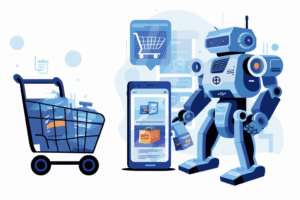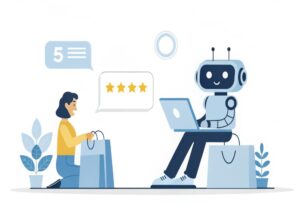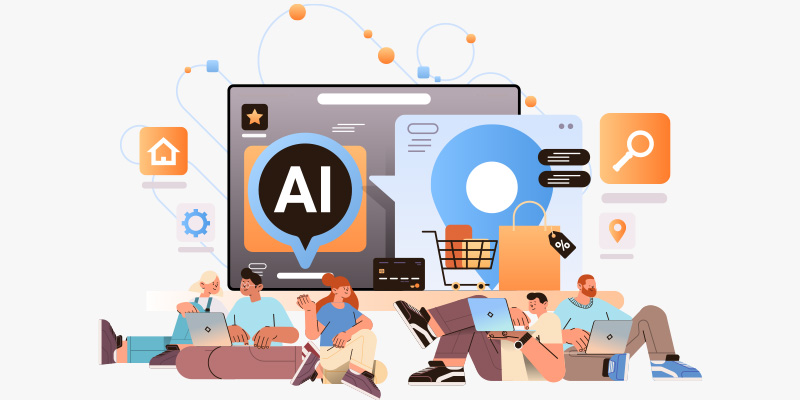

As online retail continues to grow, businesses are searching for ways to deliver more relevant and engaging shopping experiences. Personalization engines for ecommerce have emerged as essential tools, using artificial intelligence to tailor product recommendations, content, and offers to each shopper’s unique preferences. This guide explores how these AI-powered solutions work, their benefits, and how to implement them effectively in your online store.
Whether you operate a small boutique or a large-scale marketplace, leveraging AI-driven personalization can significantly improve conversion rates, customer satisfaction, and long-term loyalty. By understanding the mechanics behind these systems and the best practices for adoption, you can position your business for ongoing success in a competitive digital landscape.
For those interested in further optimizing their online presence, you may also want to explore ai for SEO optimization to complement your personalization strategy.
Understanding AI-Driven Personalization in Online Retail
At its core, an AI-powered personalization engine analyzes vast amounts of customer data—such as browsing behavior, purchase history, and interaction patterns—to deliver tailored experiences. These systems use machine learning algorithms to predict what products or content a shopper is most likely to engage with, presenting them at the right moment in the customer journey.
Unlike traditional segmentation, which groups users by broad characteristics, AI personalization works on an individual level. This enables ecommerce businesses to provide dynamic recommendations, personalized search results, and targeted promotions that feel genuinely relevant to each visitor.

Key Benefits of Personalization Engines for Ecommerce Businesses
Implementing personalization engines for ecommerce offers a range of advantages that go beyond simple product recommendations. Here are some of the most impactful benefits:
- Increased Conversion Rates: Shoppers are more likely to purchase when they see products and offers tailored to their interests.
- Higher Average Order Value: Personalized suggestions encourage customers to add complementary items, boosting cart size.
- Improved Customer Retention: Relevant experiences foster loyalty, making shoppers more likely to return.
- Reduced Bounce Rates: Visitors engage longer when content matches their needs and preferences.
- Streamlined Marketing Efforts: AI-driven insights help target promotions more effectively, reducing wasted spend.
These benefits are supported by industry leaders and research. For a deeper dive into how artificial intelligence is transforming retail, see Oracle’s overview of AI in retail.
How AI Personalization Engines Work in Practice
The effectiveness of AI-powered personalization depends on several core technologies and processes:
- Data Collection: The system gathers information from multiple sources, including website activity, purchase records, demographic data, and even social media interactions.
- Real-Time Analysis: Machine learning models process this data to identify patterns and predict what each shopper might want next.
- Dynamic Content Delivery: Based on these predictions, the engine customizes product listings, banners, emails, and search results in real time.
- Continuous Learning: As more data is collected, the AI refines its recommendations, becoming more accurate over time.
These steps ensure that every interaction feels personal, whether a customer is browsing for the first time or returning for repeat purchases.
Implementing AI Personalization in Your Online Store
Adopting a personalization engine involves several key decisions and best practices:
- Choose the Right Platform: Evaluate solutions that integrate seamlessly with your ecommerce system and support your business goals.
- Prioritize Data Privacy: Ensure compliance with regulations and communicate transparently with customers about data usage.
- Start with High-Impact Use Cases: Focus on areas like product recommendations, personalized search, or targeted email campaigns for quick wins.
- Monitor and Optimize: Track performance metrics and adjust algorithms to maximize results.
- Educate Your Team: Train staff on how to interpret AI-driven insights and apply them to marketing and merchandising strategies.
For those looking to further enhance their ecommerce operations, consider exploring ai keyword generation for ecommerce to improve search visibility and attract more qualified traffic.
Best Practices for Maximizing AI-Driven Personalization
To get the most from your investment in personalization engines for ecommerce, follow these practical guidelines:
- Segment with Precision: Use AI to go beyond basic demographics, segmenting by behavior, preferences, and lifecycle stage.
- Test and Iterate: Regularly A/B test personalized elements to identify what resonates best with your audience.
- Integrate Across Channels: Ensure personalized experiences are consistent on your website, mobile app, email, and even in-store if applicable.
- Respect User Preferences: Allow customers to control their personalization settings and opt out if desired.
- Leverage Automation: Automate routine personalization tasks to free up your team for higher-level strategy.
For more on using AI to streamline ecommerce operations, you might find automating product descriptions with ai a valuable resource.
Common Challenges and How to Overcome Them
While the benefits are substantial, implementing AI personalization can present some hurdles:
- Data Quality Issues: Inaccurate or incomplete data can lead to poor recommendations. Regularly audit and clean your datasets.
- Integration Complexity: Some platforms may require technical expertise to integrate with existing systems.
- Customer Trust: Overly aggressive personalization can feel intrusive. Balance relevance with privacy and transparency.
- Resource Constraints: Smaller businesses may need to start with basic features and scale up as ROI is proven.
Addressing these challenges early on ensures a smoother rollout and better long-term results.
Frequently Asked Questions
What types of data do AI personalization engines use?
These systems typically analyze browsing history, purchase records, click patterns, device information, and sometimes even social media activity. The more comprehensive and accurate the data, the better the personalization outcomes.
How can I measure the effectiveness of personalization in my store?
Key metrics include conversion rate, average order value, customer retention rate, bounce rate, and engagement with personalized content. Most platforms provide dashboards to help you monitor these indicators in real time.
Is AI personalization suitable for small ecommerce businesses?
Yes, many solutions are designed to be scalable and accessible for businesses of all sizes. Starting with simple recommendation engines and gradually expanding features is a practical approach for smaller retailers.
Conclusion
AI-powered personalization is rapidly becoming a standard in online retail, offering significant advantages in customer engagement and sales performance. By understanding how these engines work and following best practices for implementation, ecommerce businesses can create more meaningful experiences that drive growth and foster loyalty. As the technology continues to evolve, staying informed and proactive will ensure your store remains competitive and relevant in the digital marketplace.
To further enhance your customer experience and retention strategies, explore our insights on how ai helps customer retention and discover how AI can improve product discovery for your shoppers.