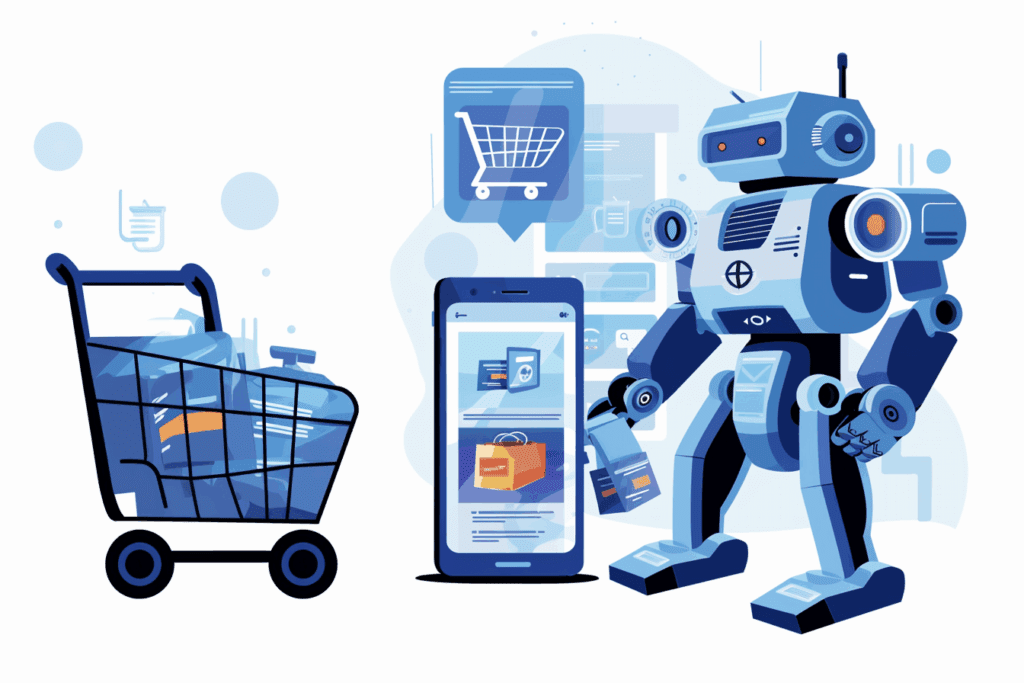

The landscape of online retail is evolving rapidly, and businesses are seeking innovative ways to connect with customers. One of the most effective strategies today is crafting personalized ecommerce journeys with AI. By leveraging artificial intelligence, online stores can deliver tailored experiences that increase engagement, drive conversions, and build long-term loyalty.
This article explores how artificial intelligence transforms the online shopping experience, from dynamic product recommendations to automated customer service. We’ll cover practical steps for implementing these technologies, highlight real-world benefits, and address common challenges retailers face. For those interested in optimizing their digital storefronts further, resources like AI for SEO optimization in e-commerce can provide additional value.
Understanding AI-Driven Customization in Online Retail
Artificial intelligence is reshaping how brands interact with consumers. Instead of offering the same experience to every visitor, AI enables businesses to analyze data and predict what each customer wants. This approach leads to more relevant product suggestions, targeted content, and timely offers.
The foundation of AI-powered personalization lies in collecting and interpreting user data—such as browsing history, purchase patterns, and even real-time behavior. Machine learning algorithms process this information to anticipate needs and deliver a seamless, individualized shopping journey.
Key Benefits of Tailored Shopping Experiences
Implementing personalized ecommerce journeys with AI brings measurable advantages for both shoppers and merchants:
- Higher engagement rates: Customized recommendations and content keep users interested and encourage them to explore more products.
- Increased conversion: When shoppers see items and offers relevant to their preferences, they are more likely to complete a purchase.
- Improved retention: Personalized follow-ups and loyalty programs foster repeat business and brand loyalty.
- Operational efficiency: AI automates many manual tasks, freeing up staff to focus on strategy and customer relationships.

How to Implement AI-Powered Personalization in E-Commerce
Adopting artificial intelligence for tailored shopping experiences involves several practical steps. Here’s a guide to getting started:
1. Collect and Integrate Customer Data
Begin by gathering data from various touchpoints—website analytics, purchase history, email interactions, and social media. Integrate this information into a centralized system to create comprehensive customer profiles.
2. Choose the Right AI Tools and Platforms
Select AI solutions that align with your business goals. Many platforms offer built-in personalization engines, while others allow for custom development. Look for features like real-time analytics, recommendation engines, and automated content delivery.
3. Develop Dynamic Product Recommendations
Use machine learning algorithms to analyze customer behavior and suggest products that match their interests. These recommendations can appear on product pages, in shopping carts, or through personalized email campaigns.
4. Automate Customer Support with AI
Chatbots and virtual assistants can answer common questions, provide order updates, and guide users through the buying process. This not only improves response times but also ensures consistent, personalized service.
5. Test, Measure, and Optimize
Continuously monitor the performance of your personalization strategies. Use A/B testing and analytics to refine recommendations, messaging, and offers. AI systems can learn and adapt over time, so ongoing optimization is essential.
Real-World Examples of AI in E-Commerce Personalization
Many leading retailers are already seeing results from AI-driven customization. For instance, online marketplaces use recommendation engines to suggest products based on browsing and purchase history. Apparel brands personalize lookbooks and style guides for each visitor, while electronics stores send targeted promotions based on previous purchases.
Even smaller businesses can benefit by automating product descriptions and streamlining content creation. For more on this, see how automating product descriptions with AI can speed up listings and enhance SEO.

Challenges and Considerations for AI-Driven Personalization
While the benefits are clear, implementing AI-powered ecommerce personalization comes with its own set of challenges:
- Data privacy: Customers expect transparency and control over their data. Ensure compliance with regulations and communicate your privacy policies clearly.
- Integration complexity: Combining AI tools with existing systems can be technically demanding. Work with experienced partners or consultants if needed.
- Maintaining authenticity: Over-automation can feel impersonal. Balance AI-driven recommendations with genuine human interaction to keep the experience authentic.
- Continuous learning: AI systems require regular updates and training to remain effective as customer preferences change.
For a deeper dive into how artificial intelligence is shaping the future of commerce, explore insights from McKinsey on the new era of AI agents in commerce.
Best Practices for Maximizing Engagement with AI
To make the most of personalized ecommerce journeys with AI, consider these best practices:
- Start small and scale: Implement one or two personalization features first, such as product recommendations or AI-powered search, then expand as you see results.
- Prioritize mobile experiences: Ensure your AI-driven features work seamlessly on smartphones and tablets, as mobile shopping continues to grow.
- Leverage feedback loops: Use customer feedback and behavioral data to refine your personalization strategies over time.
- Stay informed: Keep up with the latest advancements in AI and e-commerce to maintain a competitive edge.
If you’re interested in how AI can further improve your online store, check out resources on how AI helps customer retention and how AI improves product discovery for online shoppers.
FAQ
How does AI enhance the customer journey in e-commerce?
Artificial intelligence analyzes customer data to deliver relevant product recommendations, personalized content, and targeted promotions. This leads to a smoother, more engaging shopping experience and increases the likelihood of repeat purchases.
What types of data are used for AI-driven personalization?
AI systems use a variety of data sources, including browsing history, purchase records, demographic information, and real-time behavior. Integrating these data points allows for more accurate predictions and tailored experiences.
Is it difficult to implement AI personalization for small businesses?
While advanced AI solutions can be complex, many platforms offer user-friendly tools designed for businesses of all sizes. Starting with basic features like personalized recommendations or automated support can deliver immediate value without significant technical investment.
Can AI help with content creation for e-commerce?
Yes, AI can automate tasks such as writing product descriptions and generating SEO-friendly content. For more information, see the guide on AI keyword generation for ecommerce.