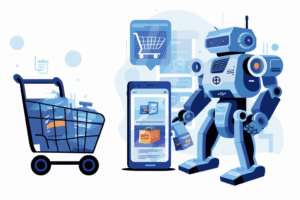

E-commerce businesses are constantly searching for ways to boost their conversion rates and engage shoppers more effectively. One proven method is offering personalized product suggestions powered by artificial intelligence. By analyzing customer data and behavior, AI-driven recommendation engines can present shoppers with products tailored to their interests, increasing the likelihood of a purchase and enhancing the overall shopping experience.
As online competition intensifies, leveraging smart recommendation systems is no longer optional—it’s essential for growth. This article explores how AI can transform your approach to product recommendations, the benefits for both businesses and customers, and practical steps to implement these solutions on your site. For a deeper understanding of how data shapes these strategies, you may also find value in our guide on customer behavior analysis in ecommerce.
How AI Delivers Tailored Recommendations
Artificial intelligence enables online retailers to move beyond generic product lists and instead offer personalized product suggestions that reflect each shopper’s unique preferences. AI algorithms analyze a wide range of data, including browsing history, purchase records, demographic information, and even real-time interactions. This data-driven approach allows the system to predict what a customer is most likely to buy next, presenting relevant items at the right moment.

There are several types of AI-powered recommendation techniques:
- Collaborative filtering: Suggests products based on similarities between users and their purchase patterns.
- Content-based filtering: Recommends items similar to those a user has viewed or purchased in the past.
- Hybrid systems: Combine multiple algorithms for more accurate and robust suggestions.
These systems continuously learn and adapt, improving their accuracy as more data becomes available. The result is a dynamic shopping experience that feels intuitive and relevant to each individual.
Benefits of Smart Product Recommendations
Implementing AI-driven suggestions provides significant advantages for both businesses and customers. Here are some of the key benefits:
- Increased conversion rates: Shoppers are more likely to buy when shown products that match their interests and needs.
- Higher average order value: Relevant cross-sells and upsells encourage customers to add more items to their carts.
- Improved customer loyalty: Personalized experiences foster trust and repeat visits.
- Reduced bounce rates: Engaging recommendations keep users browsing longer, decreasing the likelihood they’ll leave your site quickly.
- Actionable insights: AI tools provide valuable data on customer preferences, helping you refine your marketing and inventory strategies.
According to industry research, businesses that use AI for product recommendations often see a measurable lift in sales and customer satisfaction. For more on how AI impacts e-commerce, see this comprehensive overview of AI in ecommerce.
Implementing Personalized Product Suggestions on Your Site
Integrating AI-powered recommendations into your online store involves several key steps. Here’s a practical roadmap to get started:
- Collect and organize customer data: Gather information from browsing sessions, purchase histories, and user profiles. Ensure your data is clean, structured, and compliant with privacy regulations.
- Select the right AI solution: Choose a recommendation engine that fits your business size and technical capabilities. Many e-commerce platforms offer plug-and-play AI modules, while larger retailers may opt for custom solutions.
- Integrate with your website: Work with your development team or platform provider to embed the AI system into your product pages, homepage, and checkout flow.
- Test and optimize: Monitor performance metrics such as click-through rates, conversion rates, and average order value. Use A/B testing to refine your recommendation strategies.
- Continuously update: As your product catalog and customer base evolve, ensure your AI system is regularly updated to reflect new trends and preferences.
For businesses looking to streamline inventory and pricing alongside recommendations, related AI solutions such as ai inventory management and ai powered dynamic pricing can further enhance operational efficiency.
Best Practices for Maximizing AI-Driven Suggestions
To get the most out of your recommendation engine, consider these best practices:
- Personalize across channels: Extend tailored suggestions to email, push notifications, and mobile apps for a seamless experience.
- Respect privacy: Be transparent about data usage and offer customers control over their information.
- Balance automation with human touch: While AI is powerful, supplement it with curated collections or staff picks to appeal to different shopper segments.
- Monitor for bias: Regularly audit your algorithms to ensure recommendations are fair and inclusive.
- Encourage feedback: Allow users to rate or dismiss suggestions, helping your system learn and improve.

Following these guidelines helps ensure your AI recommendations remain effective, ethical, and aligned with your brand values.
Future Trends in Personalized Shopping Experiences
The landscape of AI-powered recommendations continues to evolve rapidly. Emerging technologies such as natural language processing, visual search, and voice assistants are making it possible to deliver even more intuitive and context-aware suggestions. As these tools mature, shoppers can expect increasingly seamless and relevant experiences across all digital touchpoints.
Businesses that stay ahead of these trends will be well-positioned to capture customer attention and drive sustained growth. For those interested in optimizing other aspects of their e-commerce operations, exploring topics like demand forecasting with ai and price optimization using ai can provide additional competitive advantages.
Frequently Asked Questions
How does AI know which products to recommend?
AI systems analyze a combination of user behavior, purchase history, demographic data, and real-time interactions to identify patterns and preferences. By processing this information, the algorithm predicts which products are most relevant to each shopper and presents them accordingly.
Are personalized recommendations safe for customer privacy?
When implemented responsibly, AI-powered suggestions can be both effective and privacy-conscious. It’s important for businesses to be transparent about data collection, comply with regulations, and give users control over their information.
Can small businesses benefit from AI-driven product suggestions?
Absolutely. Many e-commerce platforms now offer affordable, easy-to-integrate AI recommendation tools suitable for businesses of all sizes. These solutions can help smaller retailers compete with larger brands by delivering tailored shopping experiences.