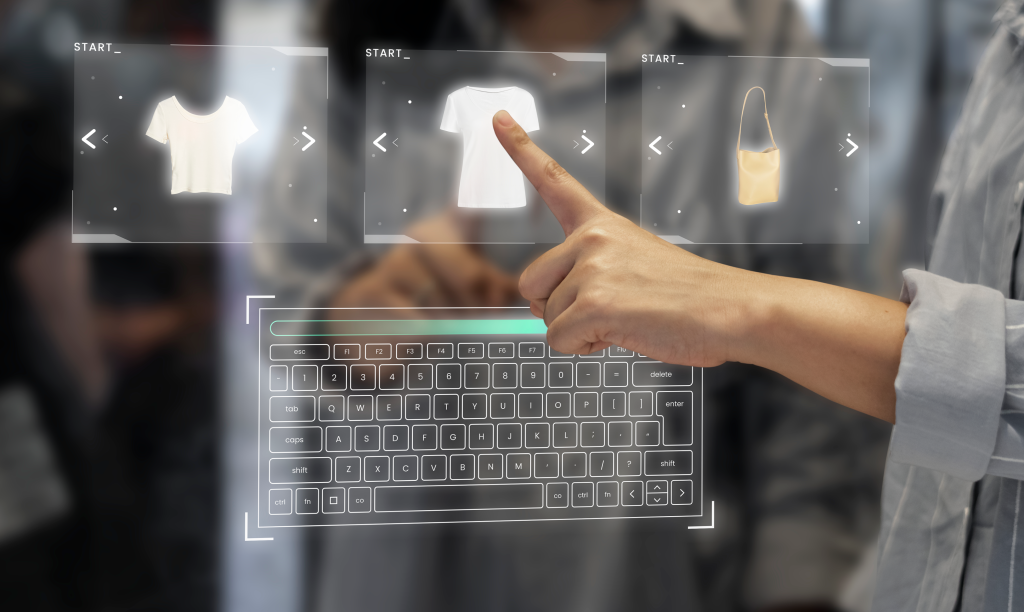

The landscape of online retail is evolving rapidly, with AI and augmented reality shopping at the forefront of this transformation. These technologies are changing how consumers interact with products and brands, making digital shopping more engaging, personalized, and convenient than ever before. Retailers are leveraging artificial intelligence to analyze customer preferences, optimize recommendations, and streamline operations, while augmented reality (AR) brings products to life through interactive experiences.
As shoppers increasingly expect seamless, immersive journeys, businesses that embrace these innovations can stand out in a crowded marketplace. From virtual try-ons to AI-driven product suggestions, the combination of smart algorithms and AR visuals is reshaping e-commerce and in-store experiences alike.
For those interested in related advancements, understanding ai for payment security is crucial for building trust and safeguarding transactions in digital commerce.
Understanding the Role of AI in Modern Retail
Artificial intelligence is more than a buzzword in today’s retail sector. It powers everything from personalized recommendations to inventory management. By analyzing massive amounts of data, AI can predict trends, optimize pricing, and enhance customer support through chatbots and virtual assistants.
- Personalization: AI algorithms study browsing and purchase history to tailor product suggestions, increasing the likelihood of conversion.
- Customer Service: Virtual agents and chatbots provide instant support, resolving queries and guiding shoppers through their journey.
- Inventory Optimization: Predictive analytics help retailers manage stock levels, reducing overstock and out-of-stock scenarios.
These capabilities not only improve operational efficiency but also create a more satisfying experience for shoppers, who receive relevant offers and timely assistance.
Augmented Reality: Bringing Products to Life
While AI works behind the scenes, augmented reality shopping transforms the visual and interactive side of retail. AR overlays digital information onto the real world, allowing customers to visualize products in their own environment or on themselves before making a purchase.

Key applications of AR in retail include:
- Virtual Try-Ons: Shoppers can see how clothing, accessories, or makeup look on them using their smartphone or webcam.
- Product Visualization: Furniture and home décor can be placed virtually in a customer’s room to assess fit and style.
- Interactive Displays: In-store AR kiosks let users explore product features, colors, and configurations in real time.
These immersive experiences reduce uncertainty, boost confidence, and often lead to higher conversion rates.
How to Implement AI and AR Shopping Experiences
Integrating ai and augmented reality shopping solutions requires a thoughtful approach. Here are practical steps for retailers aiming to adopt these technologies:
- Assess Your Goals: Identify whether you want to enhance personalization, improve visualization, or streamline operations. Clear objectives guide technology selection and implementation.
- Choose the Right Tools: Numerous platforms offer plug-and-play AI recommendation engines and AR modules. Evaluate solutions based on scalability, integration capabilities, and user experience.
- Integrate with Existing Systems: Seamless integration with your e-commerce platform, inventory, and CRM is essential for real-time data flow and consistent experiences.
- Focus on User Experience: Test AR features for ease of use and accuracy. Ensure AI-driven recommendations are relevant and non-intrusive.
- Educate Your Team: Staff should understand how these technologies work to assist customers and troubleshoot issues.
- Monitor and Optimize: Use analytics to track engagement, conversion rates, and customer feedback. Continuously refine your approach based on insights.
By following these steps, businesses can create engaging, future-ready shopping environments that cater to evolving consumer expectations.
Benefits of AI and AR in Digital Commerce
The combination of AI and AR delivers a host of advantages for both retailers and consumers:
- Enhanced Personalization: AI tailors product suggestions, promotions, and content to individual preferences, making shopping more relevant.
- Reduced Returns: AR visualization helps customers make informed decisions, decreasing the likelihood of returns due to unmet expectations.
- Increased Engagement: Interactive AR features keep shoppers engaged longer, increasing the chance of purchase.
- Operational Efficiency: Automated processes free up staff to focus on higher-value tasks and improve overall service quality.
- Competitive Edge: Early adopters of these technologies often see stronger brand loyalty and differentiation in the marketplace.

Real-World Examples of Immersive Retail
Many leading brands are already reaping the rewards of AI and AR in retail. Fashion retailers offer virtual fitting rooms, allowing customers to try on outfits digitally. Furniture companies provide AR apps to visualize sofas or tables in a customer’s living space. Cosmetics brands enable users to test makeup shades virtually, increasing confidence in online purchases.
These examples demonstrate how immersive technologies can address common barriers in online shopping, such as uncertainty about fit, color, or style. As adoption grows, even small and mid-sized businesses can leverage affordable tools to deliver similar experiences.
Best Practices for Maximizing Impact
To fully benefit from ai and augmented reality shopping advancements, consider these best practices:
- Prioritize Accessibility: Ensure AR features are usable on a wide range of devices and that AI-driven content is inclusive.
- Protect Customer Data: With increased personalization comes greater responsibility for privacy and security. Follow best practices and regulations to safeguard information.
- Stay Informed: The technology landscape is evolving quickly. Keep up with new developments and emerging use cases by reading resources like this guide to AI use cases in e-commerce.
- Integrate Seamlessly: Avoid siloed experiences by ensuring AI and AR tools work together and with your existing systems.
- Measure Results: Track KPIs such as engagement, conversion, and return rates to assess the effectiveness of your initiatives.
For further reading on how intelligent systems can drive business outcomes, explore topics like how ai increases average order value and recommendation algorithms for online stores.
Frequently Asked Questions
How does AI personalize the shopping experience?
Artificial intelligence analyzes customer data, such as browsing history, purchase patterns, and preferences, to deliver tailored product recommendations, targeted promotions, and personalized content. This makes the shopping journey more relevant and engaging for each individual.
What are the main benefits of using augmented reality in retail?
Augmented reality allows customers to visualize products in their own environment or on themselves before buying. This reduces uncertainty, increases confidence, and often leads to higher conversion rates and fewer returns.
Is it difficult for small businesses to adopt AI and AR technologies?
Many platforms now offer scalable, user-friendly solutions that make it easier for small and mid-sized retailers to implement AI and AR features. Cloud-based tools and plug-ins can often be integrated with existing e-commerce platforms without significant technical expertise.
How can retailers ensure data privacy when using AI?
Retailers should follow best practices for data collection, storage, and processing. This includes obtaining customer consent, encrypting sensitive information, and complying with relevant data protection regulations.
Where can I learn more about fraud prevention and customer insights in e-commerce?
For additional information, consider reading about fraud detection in ecommerce and ai and predictive customer insights to gain a deeper understanding of how intelligent technologies can secure and optimize online retail.