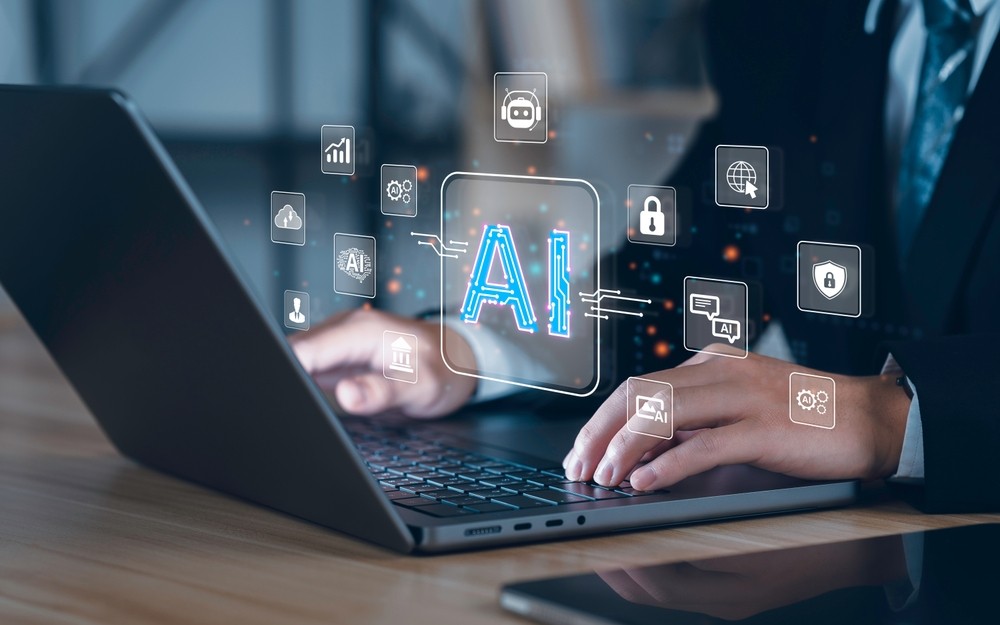

The rapid growth of digital infrastructure has made organizations more vulnerable to cyber threats than ever before. As attackers become more sophisticated, traditional security measures often struggle to keep up. This is where artificial intelligence (AI) steps in, offering advanced capabilities for identifying and responding to threats in real time. Understanding how to use AI for cybersecurity threat detection can help businesses stay ahead of evolving risks and protect their critical assets.
AI-driven security tools analyze vast amounts of data, recognize patterns, and detect anomalies that may signal malicious activity. By leveraging machine learning and automation, these systems can respond to threats faster and more accurately than manual methods. In this guide, we’ll explore the core concepts, practical steps, and best practices for integrating AI into your cybersecurity strategy.
For those interested in broader applications of AI across industries, our article on how to use ai for fleet management optimization provides further insights into leveraging intelligent systems for operational efficiency.
Why AI Is Transforming Cybersecurity Threat Detection
The sheer volume and complexity of cyberattacks today make manual monitoring nearly impossible. AI brings several advantages to the table:
- Speed: AI algorithms process and analyze data in real time, enabling immediate threat identification.
- Accuracy: Machine learning models learn from historical data, improving their ability to distinguish between normal and suspicious behavior.
- Scalability: Automated systems can monitor thousands of endpoints and network events simultaneously.
- Adaptability: AI can evolve with new threat patterns, making it more resilient against emerging attack techniques.
These benefits make AI an essential component of modern security operations, especially for organizations handling sensitive data or operating in regulated industries.
Key AI Technologies Used in Security Monitoring
Several AI technologies are at the core of advanced threat detection systems:
- Machine Learning (ML): ML models analyze historical security data to identify patterns and predict future threats. They can detect unusual behaviors that may indicate a breach.
- Natural Language Processing (NLP): NLP helps systems interpret unstructured data, such as emails or chat logs, to spot phishing attempts or insider threats.
- Deep Learning: These algorithms process complex data sets, such as network traffic or malware code, to uncover subtle attack vectors.
- Automation and Orchestration: AI-driven automation enables quick responses to detected threats, reducing the window of vulnerability.
By combining these technologies, organizations can build layered defenses that adapt to evolving risks.
Steps to Implement AI-Based Threat Detection
Integrating AI into your cybersecurity framework involves several key steps. Here’s a practical roadmap:
-
Assess Your Security Needs:
Begin by evaluating your current security posture. Identify critical assets, existing vulnerabilities, and the types of threats most relevant to your industry.
-
Collect and Prepare Data:
AI models require large volumes of high-quality data. Aggregate logs from endpoints, network devices, and applications. Ensure data is clean, labeled, and compliant with privacy regulations.
-
Select the Right AI Tools:
Choose solutions that align with your organization’s needs. Options include Security Information and Event Management (SIEM) platforms with built-in AI, endpoint detection and response (EDR) tools, and cloud-based analytics services.
-
Train and Test Models:
Work with your IT and security teams to train machine learning models on historical data. Continuously test and refine these models to minimize false positives and negatives.
-
Integrate with Existing Workflows:
Ensure that AI-driven alerts and automation fit smoothly into your incident response processes. This may involve updating playbooks or training staff on new tools.
-
Monitor and Optimize:
Regularly review system performance, update models with new data, and adjust detection thresholds as needed. Continuous improvement is key to staying ahead of attackers.
Common Use Cases for AI in Security Operations
AI enhances cybersecurity in several practical ways:
- Malware Detection: Machine learning models analyze file behavior and characteristics to identify previously unknown malware.
- Phishing Prevention: NLP algorithms scan emails and messages for suspicious language or links, flagging potential phishing attempts.
- Network Anomaly Detection: AI systems monitor traffic patterns to spot unusual activity, such as data exfiltration or lateral movement by attackers.
- User Behavior Analytics: By establishing baselines for normal user actions, AI can detect insider threats or compromised accounts.
- Automated Incident Response: When a threat is detected, AI can trigger automated actions such as isolating affected devices or blocking malicious IP addresses.

Challenges and Best Practices for AI-Driven Security
While AI offers significant benefits, it’s important to be aware of potential challenges:
- Data Quality: Poor or biased data can lead to inaccurate threat detection. Regularly audit and clean your data sources.
- False Positives: Overly sensitive models may generate too many alerts, overwhelming security teams. Fine-tune thresholds and incorporate human oversight.
- Adversarial Attacks: Attackers may attempt to deceive AI models. Stay updated on the latest evasion techniques and retrain models as needed.
- Skills Gap: Implementing and managing AI systems requires specialized expertise. Invest in training or partner with experienced vendors.
To maximize the effectiveness of AI in threat detection:
- Continuously update and retrain models with new threat intelligence.
- Integrate AI tools with human analysts for contextual decision-making.
- Establish clear incident response procedures for AI-generated alerts.
- Regularly review system performance and adapt to changing threat landscapes.
Integrating AI with Broader Business Processes
AI’s impact isn’t limited to cybersecurity. Organizations are increasingly using intelligent automation to streamline operations, improve efficiency, and reduce costs. For example, adopting AI in areas like warehouse automation or procurement and sourcing can deliver significant business value.
For small businesses, leveraging AI can also boost productivity and save time. To learn more about these benefits, see this comprehensive guide on using AI for business efficiency.
FAQ: AI in Cybersecurity Threat Detection
How does AI improve threat detection compared to traditional methods?
AI systems analyze large volumes of data in real time and can identify subtle patterns that manual tools might miss. This leads to faster detection, fewer missed threats, and improved accuracy over time as models learn from new data.
What types of cyber threats can AI help detect?
AI can identify a wide range of threats, including malware, phishing, insider attacks, network anomalies, and zero-day exploits. Its adaptability allows it to respond to both known and emerging risks.
Is AI-based cybersecurity suitable for small businesses?
Yes, many AI-powered security solutions are scalable and accessible to organizations of all sizes. Cloud-based platforms and managed services make it easier for small businesses to benefit from advanced threat detection without large upfront investments.
Conclusion
Adopting AI for security monitoring and response is becoming essential as cyber threats grow in scale and complexity. By following best practices—such as ensuring data quality, integrating human expertise, and continuously improving your models—organizations can build robust defenses against a wide range of attacks. As AI technology evolves, staying informed and proactive will be key to maintaining a strong cybersecurity posture.