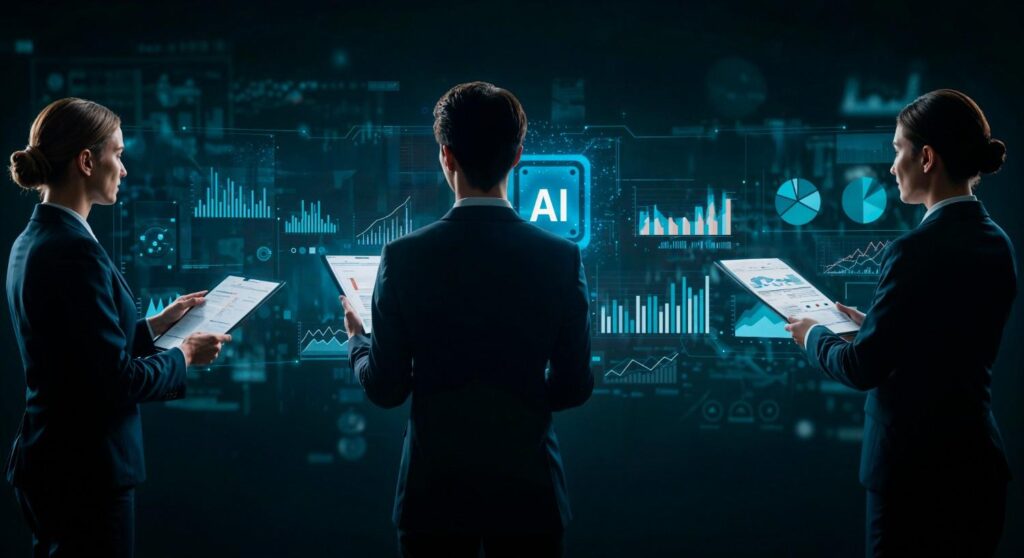

The rapid advancement of artificial intelligence is transforming how organizations manage their workforce. As businesses seek greater efficiency, accuracy, and agility, AI-driven tools are becoming central to the evolution of human resources. Understanding the impact of AI on human resource management is essential for HR professionals, business leaders, and anyone interested in the future of work. This article explores how automation, data analytics, and intelligent systems are reshaping recruitment, employee engagement, decision-making, and compliance in the HR sector.
With AI’s influence growing across industries, HR departments are leveraging these technologies to streamline processes, improve talent management, and make data-backed decisions. For those interested in related applications, learning how to use AI for influencer marketing discovery can provide additional insights into AI’s broader business impact.
How AI Is Transforming Recruitment and Talent Acquisition
One of the most significant changes in HR is the use of AI-powered tools to enhance recruitment. Automated systems can now scan thousands of resumes, identify top candidates, and even conduct initial screening interviews using natural language processing. This not only saves time but also reduces human bias, leading to more equitable hiring practices.
AI-driven platforms can analyze candidate data, including skills, experience, and cultural fit, to match applicants with open positions more accurately. Chatbots are increasingly used to answer candidate questions, schedule interviews, and provide feedback, improving the overall candidate experience. By automating repetitive tasks, HR professionals can focus on strategic initiatives and relationship-building.
Enhancing Employee Engagement and Retention With AI
Maintaining high levels of employee engagement is a priority for modern organizations. AI is now being used to monitor employee sentiment through surveys, feedback tools, and even analysis of internal communications. By identifying patterns and potential issues early, HR teams can proactively address concerns and improve workplace satisfaction.
Personalized learning and development programs, powered by AI, help employees upskill and grow within the organization. These systems recommend training modules based on individual performance and career goals, making professional development more effective and tailored. Predictive analytics can also flag employees at risk of leaving, allowing HR to intervene and improve retention rates.
Data-Driven Decision Making in HR Management
AI’s ability to process and analyze vast amounts of data is revolutionizing HR decision-making. From workforce planning to compensation analysis, AI tools provide actionable insights that were previously difficult to obtain. This data-driven approach enables HR leaders to make more informed decisions about hiring, promotions, and organizational structure.
For example, AI can identify trends in employee turnover, highlight skills gaps, and forecast future staffing needs. These insights help organizations allocate resources more efficiently and align HR strategies with business objectives. As a result, companies can respond more quickly to market changes and remain competitive.
Improving Compliance and Reducing Bias With Intelligent Systems
Compliance with labor laws and regulations is a complex challenge for HR departments. AI can automate the monitoring of compliance-related tasks, such as tracking working hours, managing documentation, and ensuring adherence to company policies. This reduces the risk of human error and helps organizations avoid costly legal issues.
Another important benefit is the reduction of unconscious bias in HR processes. AI algorithms, when properly designed and monitored, can help ensure that decisions related to hiring, promotions, and compensation are based on objective criteria. This supports diversity, equity, and inclusion goals within the workplace.
Challenges and Ethical Considerations in AI-Driven HR
While the advantages of AI in HR are clear, there are also challenges to address. Data privacy is a major concern, as sensitive employee information must be protected from unauthorized access. Organizations need to implement robust security measures and ensure compliance with data protection regulations.
Ethical considerations are equally important. AI systems must be transparent and explainable, especially when making decisions that affect people’s careers. Regular audits and human oversight are necessary to prevent algorithmic bias and maintain trust in AI-driven HR processes.
Future Outlook: AI’s Role in Shaping HR Strategies
The future of human resource management will be increasingly shaped by AI and automation. As these technologies evolve, HR professionals will need to develop new skills in data analysis, change management, and technology adoption. Embracing AI can help organizations build more agile, responsive, and inclusive workplaces.
For small businesses looking to boost efficiency, exploring AI tools for small business efficiency can provide practical solutions for HR and beyond. Additionally, industries such as insurance and travel are already seeing significant benefits from AI, as discussed in resources like the impact of AI on insurance underwriting and the guide to AI for travel and hospitality.
Frequently Asked Questions
How does artificial intelligence improve recruitment processes in HR?
AI enhances recruitment by automating resume screening, matching candidates to job descriptions, and conducting initial assessments. This speeds up hiring, reduces bias, and helps HR teams identify the best talent more efficiently.
What are the main benefits of using AI for employee engagement?
AI-powered tools can monitor employee sentiment, personalize learning opportunities, and predict retention risks. These capabilities allow HR to address concerns proactively and create tailored development plans, leading to higher engagement and satisfaction.
Are there risks associated with implementing AI in HR management?
Yes, risks include data privacy concerns, potential algorithmic bias, and the need for transparency in decision-making. Organizations must ensure robust data protection, regular audits, and human oversight to mitigate these risks.
Conclusion
The impact of AI on human resource management is reshaping the way organizations attract, retain, and develop talent. By automating routine tasks, providing data-driven insights, and supporting more equitable practices, AI empowers HR professionals to focus on strategic priorities. As the technology continues to evolve, staying informed and adaptable will be key to harnessing its full potential in the workplace.