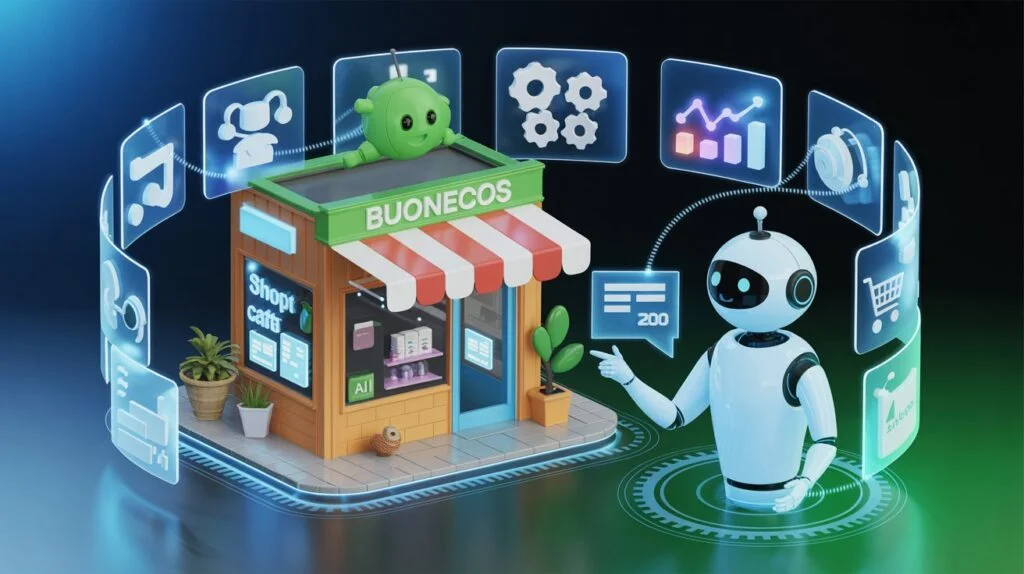

Managing inventory efficiently is a constant challenge for businesses of all sizes. Overstocking ties up capital and increases storage costs, while understocking leads to missed sales and dissatisfied customers. With the rise of artificial intelligence, companies now have powerful tools to streamline inventory management and keep costs under control. Understanding how to use AI for inventory optimization can transform supply chain operations, improve forecasting, and enhance decision-making.
In this article, we’ll explore practical ways artificial intelligence is reshaping inventory processes, from demand prediction to automated replenishment. Whether you’re a retailer, manufacturer, or distributor, leveraging AI can help you strike the right balance between supply and demand, reduce waste, and boost profitability.
For those interested in expanding their use of artificial intelligence across different business functions, you might also find value in learning how to use AI for influencer marketing discovery to enhance your marketing strategies.
Why Artificial Intelligence Matters in Inventory Management
Traditional inventory management relies heavily on manual tracking, spreadsheets, and basic forecasting methods. These approaches often fail to account for complex variables such as seasonality, market trends, and sudden supply chain disruptions. Artificial intelligence, in contrast, analyzes large volumes of data from multiple sources to generate accurate, real-time insights.
By implementing AI-driven solutions, businesses can:
- Predict demand more accurately using historical sales, market trends, and external factors.
- Automate replenishment and ordering processes, reducing human error.
- Identify patterns that lead to overstock or stockouts.
- Optimize storage space and minimize holding costs.
- Respond faster to changes in customer behavior or supply chain disruptions.

Key Benefits of Using AI for Inventory Optimization
Integrating artificial intelligence into inventory processes offers a range of advantages that go beyond simple automation. Here are some of the most impactful benefits:
- Enhanced Forecasting Accuracy: AI models can process massive datasets, including sales history, promotions, weather, and even social media trends, to forecast demand with greater precision.
- Reduced Stockouts and Overstocks: By continuously analyzing data, AI systems help maintain optimal inventory levels, ensuring products are available when needed without excess.
- Lower Operational Costs: Automated decision-making reduces labor costs, minimizes waste, and helps avoid unnecessary purchases.
- Real-Time Visibility: AI-powered dashboards provide up-to-the-minute insights into inventory status, enabling proactive management.
- Improved Supplier Collaboration: Sharing AI-driven forecasts with suppliers can lead to better planning and stronger relationships.
How AI-Driven Demand Forecasting Works
One of the core applications of artificial intelligence in inventory management is demand forecasting. Unlike traditional methods that rely on simple averages or seasonal adjustments, AI algorithms use machine learning to identify subtle patterns and correlations in data.
For example, a retailer might use AI to analyze:
- Past sales data across different locations and channels
- Upcoming marketing campaigns or promotions
- Weather forecasts and local events
- Economic indicators and competitor activity
The AI system then generates a dynamic forecast that updates as new data becomes available. This allows businesses to adjust inventory levels proactively, reducing the risk of running out of stock or over-ordering slow-moving items.
Automating Replenishment and Order Management
Another significant advantage of using AI is the ability to automate routine inventory tasks. AI-powered systems can monitor stock levels in real time and trigger replenishment orders automatically when inventory falls below predefined thresholds. This not only saves time but also ensures that critical products are always available.
Some advanced solutions can even factor in supplier lead times, shipping delays, and cost fluctuations to optimize order timing and quantities. By automating these processes, businesses can focus on strategic decision-making rather than manual tracking and ordering.

Cost Control Strategies with AI in Inventory Management
Effective cost control is a top priority for any business managing inventory. Artificial intelligence helps reduce costs in several ways:
- Minimizing Excess Inventory: AI identifies slow-moving items and recommends markdowns or promotions to clear space and free up capital.
- Reducing Storage Expenses: By maintaining optimal stock levels, businesses can lower warehousing and handling costs.
- Optimizing Order Quantities: AI calculates the most cost-effective order sizes based on demand forecasts, supplier terms, and shipping costs.
- Preventing Stockouts: Avoiding lost sales and emergency shipments helps protect profit margins.
For more insights on leveraging AI for business efficiency, see this comprehensive guide to using AI effectively in small businesses.
Implementing AI Solutions: Steps and Considerations
Adopting AI for inventory optimization requires careful planning and the right technology partners. Here are some steps to guide your implementation:
- Assess Current Processes: Identify pain points and areas where manual processes cause delays or errors.
- Choose the Right Tools: Evaluate AI-powered inventory management platforms that integrate with your existing systems.
- Gather and Clean Data: Ensure your sales, inventory, and supplier data are accurate and up to date.
- Train the AI Models: Work with vendors to customize algorithms based on your business needs and historical data.
- Monitor and Adjust: Continuously review AI recommendations and adjust parameters as your business evolves.
It’s also helpful to learn from other industries. For example, AI-driven fleet management optimization offers valuable lessons in predictive analytics and automation that can apply to inventory workflows.
Challenges and Best Practices in AI Inventory Optimization
While the benefits are clear, implementing AI in inventory management comes with challenges. Data quality, change management, and integration with legacy systems can pose obstacles. To maximize success:
- Start Small: Pilot AI solutions in one product category or location before scaling up.
- Invest in Training: Educate staff on how to interpret AI insights and make informed decisions.
- Prioritize Data Accuracy: Regularly audit and update inventory and sales data for reliable AI outputs.
- Collaborate with IT and Operations: Ensure seamless integration between AI tools and existing workflows.
- Review Results: Track key performance indicators (KPIs) such as inventory turnover, carrying costs, and service levels to measure impact.
FAQ: Common Questions About AI in Inventory Optimization
How does AI improve demand forecasting compared to traditional methods?
Artificial intelligence uses advanced algorithms to analyze large datasets, including historical sales, market trends, and external factors like weather or events. This results in more accurate and dynamic forecasts than traditional methods, which often rely on simple averages or seasonal adjustments.
Can small businesses benefit from AI-driven inventory management?
Yes, even small businesses can take advantage of AI solutions. Many cloud-based platforms offer scalable tools that automate inventory tracking, demand forecasting, and order management, helping smaller companies compete with larger players.
What are the main challenges when adopting AI for inventory optimization?
The biggest challenges include ensuring data quality, integrating new tools with existing systems, and training staff to use AI insights effectively. Starting with a pilot project and focusing on data accuracy can help overcome these hurdles.
Conclusion
Embracing artificial intelligence for inventory management is no longer just an option for large enterprises. With accessible AI-powered tools, businesses of all sizes can improve forecasting, automate replenishment, and control costs more effectively. By understanding how to use AI for inventory optimization and following best practices, organizations can achieve greater efficiency, reduce waste, and respond quickly to changing market demands.