

Integrating artificial intelligence across departments is no longer just an IT initiative—it’s a strategic move that can transform how organizations operate and compete. As AI technologies become more accessible, the challenge shifts from technical implementation to ensuring successful, company-wide adoption. This guide explores practical tips for cross-functional AI adoption that help businesses unlock value, foster collaboration, and avoid common pitfalls.
For those interested in sector-specific applications, you might also find value in learning how to use AI for influencer marketing discovery, which demonstrates how AI can drive results in marketing and beyond.
Why Cross-Functional AI Initiatives Matter
AI’s benefits multiply when it’s not siloed within a single department. By encouraging collaboration between teams—such as marketing, operations, finance, and customer service—organizations can:
- Identify more use cases for automation and predictive analytics
- Break down data silos for richer insights
- Accelerate innovation and time-to-value
- Ensure ethical and responsible AI deployment
However, achieving this level of integration requires a thoughtful approach. The following sections outline proven strategies for overcoming barriers and maximizing the impact of AI across your business.
Building a Foundation for Company-Wide AI Success
Before deploying AI tools across multiple teams, it’s important to establish a solid groundwork. Here are some foundational tips for cross-functional AI adoption that set the stage for success:
- Define Clear Objectives: Align AI projects with business goals. This ensures every team understands the purpose and expected outcomes.
- Secure Executive Sponsorship: Leadership support is critical for resource allocation and driving cultural change.
- Assess Data Readiness: Evaluate the quality, accessibility, and security of your data. Cross-functional projects often require integrating data from various sources.
- Establish Governance: Set up policies for data privacy, compliance, and ethical AI use. This builds trust and reduces risk.
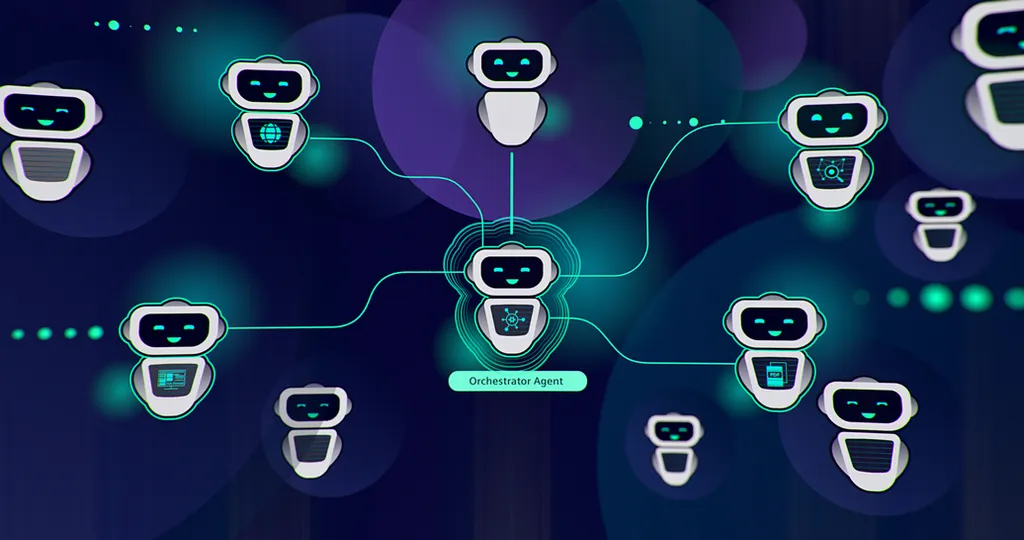
Fostering Collaboration Across Departments
One of the most important tips for cross-functional AI adoption is to actively encourage collaboration between teams. Here’s how to bridge gaps and build a culture of shared innovation:
- Form Cross-Disciplinary Teams: Bring together members from IT, business units, and analytics. Diverse perspectives lead to more robust solutions.
- Host AI Workshops and Training: Regular sessions help demystify AI and empower non-technical staff to contribute ideas and feedback.
- Appoint AI Champions: Identify advocates in each department who can facilitate communication and drive adoption.
- Encourage Open Communication: Use collaboration platforms to share progress, challenges, and learnings across teams.
These steps help break down resistance and foster a sense of ownership, which is essential for sustainable AI integration.
Overcoming Common Challenges in AI Rollouts
Even with the best intentions, organizations often encounter obstacles when rolling out AI initiatives across functions. Here are practical ways to address them:
- Managing Change: Employees may fear job displacement or struggle with new workflows. Transparent communication and upskilling programs can ease transitions.
- Aligning Incentives: Ensure that performance metrics and rewards support cross-functional collaboration, not just departmental goals.
- Handling Data Silos: Invest in data integration tools and standardize data formats to enable seamless sharing.
- Scaling Solutions: Start with pilot projects, measure results, and then expand successful models to other teams.

Best Practices for Sustainable AI Integration
To ensure that AI delivers lasting value, organizations should adopt these best practices:
- Continuous Learning: Encourage teams to stay updated on AI trends and tools. This can be achieved through online courses, conferences, and peer learning.
- Iterative Improvement: Treat AI projects as ongoing initiatives. Gather feedback, monitor performance, and refine models regularly.
- Measure Impact: Use clear KPIs to track the business value generated by AI. Share results with stakeholders to build momentum.
- Promote Transparency: Make AI decision-making processes understandable to non-technical staff. This builds trust and facilitates adoption.
For more industry-specific insights, you may want to explore the impact of AI on insurance underwriting and how similar principles apply in regulated sectors.
Case Studies: Real-World Examples of Cross-Functional AI
Many organizations have successfully implemented AI across multiple departments. Consider these examples:
- Retail: Companies use AI to optimize inventory, personalize marketing, and enhance customer support—all through coordinated efforts between supply chain, sales, and service teams.
- Manufacturing: Predictive maintenance powered by AI requires collaboration between operations, IT, and finance to reduce downtime and control costs.
- Travel and Hospitality: Businesses leverage AI for dynamic pricing, guest personalization, and operational efficiency. For a deeper dive, see this guide to AI for travel and hospitality.
These cases show that the most successful AI projects are those that break down departmental barriers and focus on shared goals.
Resources for Getting Started with AI in Your Organization
If your business is just beginning its AI journey, there are many resources available to help you build foundational knowledge and confidence. For example, this beginner’s guide to AI for small businesses offers practical advice on identifying opportunities and overcoming initial hurdles.
Additionally, exploring how AI can be applied to specific business functions—such as visual search integration in e-commerce or fleet management optimization—can inspire new ideas for cross-functional collaboration in your own company.
FAQ: Cross-Functional AI in Business
What are the main barriers to company-wide AI adoption?
The most common obstacles include data silos, lack of clear objectives, resistance to change, and insufficient executive support. Overcoming these requires strong leadership, transparent communication, and a focus on building trust across teams.
How can businesses ensure ethical AI use across departments?
Establishing clear governance policies, providing regular training, and involving diverse stakeholders in decision-making are key steps. This helps ensure that AI systems are fair, transparent, and compliant with regulations.
What skills are needed for successful cross-functional AI projects?
In addition to technical expertise, teams need strong communication, project management, and problem-solving skills. Encouraging continuous learning and cross-training helps bridge gaps between departments and fosters a collaborative culture.
Conclusion
Embracing AI across multiple business functions is a journey that requires planning, collaboration, and ongoing commitment. By following these tips for cross-functional AI adoption, organizations can break down silos, accelerate innovation, and achieve sustainable growth. The key is to start small, learn from each step, and keep the focus on shared business outcomes.