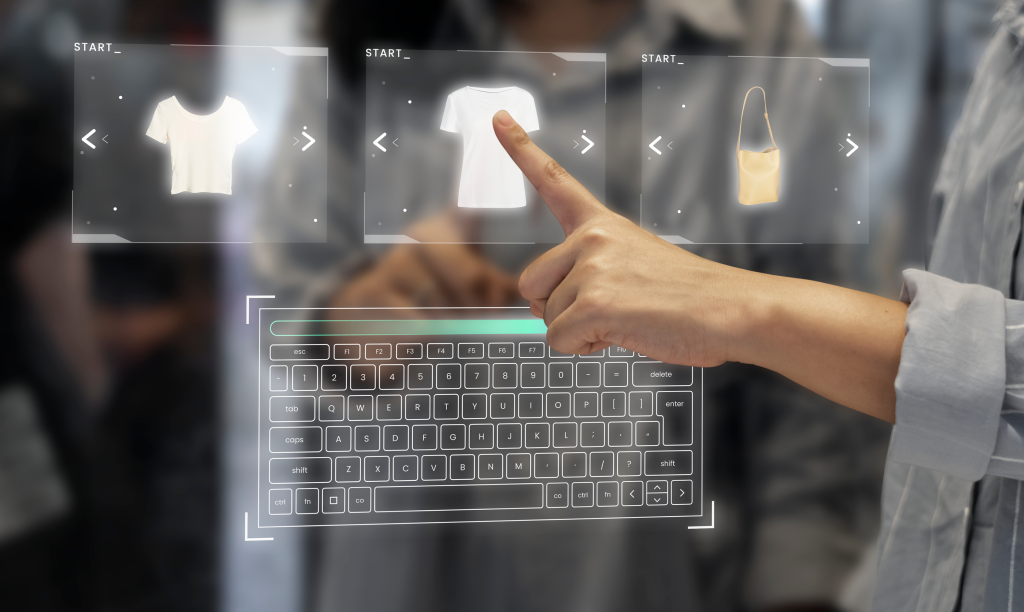

The retail landscape is undergoing a significant transformation as ai powered store automation systems become more widely adopted. These advanced solutions are changing how stores operate, from inventory management to customer engagement. By leveraging artificial intelligence, retailers can streamline processes, reduce manual errors, and deliver a more personalized shopping experience. As competition intensifies and consumer expectations rise, adopting intelligent automation is no longer a luxury—it’s a necessity for staying ahead.
For those interested in how artificial intelligence is optimizing other business sectors, you might also find value in our guide on how to use AI for warehouse automation, which explores similar efficiency gains in logistics and fulfillment.
Understanding Intelligent Retail Automation
Intelligent automation in retail refers to the integration of artificial intelligence and machine learning with store operations. These systems can handle tasks ranging from inventory tracking and demand forecasting to checkout optimization and customer service. By analyzing large volumes of data in real time, they enable retailers to make smarter decisions and respond quickly to changing market dynamics.
The core advantage of these solutions lies in their ability to automate repetitive tasks while continuously learning from new data. This not only reduces operational costs but also frees up staff to focus on higher-value activities, such as customer engagement and strategic planning.
Key Benefits of AI-Driven Store Automation
Implementing ai powered store automation systems brings a range of advantages to retailers of all sizes. Here are some of the most impactful benefits:
- Enhanced Inventory Management: Automated systems monitor stock levels in real time, reducing the risk of overstocking or running out of popular items.
- Improved Customer Experience: AI-driven insights allow for personalized promotions, faster checkouts, and better service, increasing customer satisfaction and loyalty.
- Operational Efficiency: Routine tasks such as restocking, pricing, and reporting are streamlined, minimizing manual intervention and human error.
- Data-Driven Decision Making: With access to actionable analytics, managers can make informed choices about product placement, staffing, and marketing campaigns.
- Cost Reduction: Automation reduces labor costs and helps prevent losses due to shrinkage or mismanagement.
Core Features of Modern Store Automation Platforms
Today’s automation platforms offer a comprehensive suite of features designed to address the unique challenges of retail. Some of the most common functionalities include:
- Automated Checkout: Self-service kiosks and AI-powered payment systems speed up transactions and reduce wait times.
- Smart Shelving: Sensors and cameras monitor product availability, triggering automatic restocking alerts or even robotic replenishment.
- Predictive Analytics: Machine learning models forecast demand, optimize pricing, and anticipate trends based on historical and real-time data.
- Personalized Marketing: AI analyzes customer preferences to deliver targeted promotions and recommendations, boosting conversion rates.
- Loss Prevention: Advanced surveillance and anomaly detection help identify suspicious activity and prevent theft.
For a deeper dive into practical applications, you can explore real-world AI use cases in ecommerce to see how these technologies are already making an impact.
How AI Enhances In-Store Operations
The integration of artificial intelligence into daily store operations delivers tangible improvements across the board. Here’s how these systems are making a difference:
Optimized Inventory and Supply Chain
By continuously monitoring sales data and external factors such as seasonality or local events, AI systems can predict which products will be in demand. This enables just-in-time inventory management, reducing waste and ensuring shelves are always stocked with the right items.
Streamlined Checkout and Payment
Automated checkouts, powered by computer vision and natural language processing, allow customers to pay quickly and securely. These systems can recognize products, apply discounts, and process payments with minimal human intervention, reducing lines and improving the overall shopping experience.

Personalized Customer Interactions
AI-powered chatbots and recommendation engines help retailers engage with customers on a personal level. These tools can answer questions, suggest products, and even resolve issues, providing a seamless and responsive shopping journey.
Challenges and Considerations in Adopting Automation
While the benefits are substantial, implementing ai powered store automation systems comes with its own set of challenges. Retailers must consider:
- Integration Complexity: Merging new AI solutions with existing infrastructure can require significant time and investment.
- Data Security: Handling sensitive customer and operational data demands robust cybersecurity measures.
- Change Management: Staff training and process adjustments are essential to ensure smooth adoption and maximize ROI.
- Cost of Implementation: Upfront expenses can be high, but long-term savings and efficiency gains often justify the investment.
Addressing these challenges requires a clear strategy, careful vendor selection, and ongoing support to ensure that automation delivers its promised value.
Future Trends in Retail Automation
The evolution of store automation is far from over. As technology advances, we can expect to see:
- Greater use of robotics for stocking and fulfillment tasks
- Integration of augmented reality for enhanced product visualization
- Advanced voice assistants for hands-free customer service
- Expanded use of predictive analytics for hyper-personalized experiences
- Increased focus on sustainability, with AI optimizing energy use and reducing waste
Retailers who stay ahead of these trends will be well-positioned to meet evolving consumer demands and maintain a competitive edge.
FAQ: AI and Automation in Retail
What types of stores can benefit from AI-driven automation?
Both large chains and small independent retailers can leverage automation to improve efficiency, reduce costs, and enhance customer experience. The technology is scalable and adaptable to different business models.
How does AI help with inventory management?
AI systems track sales and stock levels in real time, forecast demand, and automate reordering. This minimizes stockouts and overstocking, ensuring optimal inventory levels at all times.
Are there risks to customer privacy with store automation?
While AI systems process large amounts of data, responsible retailers implement strong data protection measures and comply with privacy regulations to safeguard customer information.