
Building a memorable personal brand is more important than ever. Whether you’re a freelancer, entrepreneur, or creative professional, the right branding tools for personal brands can help you carve out a unique identity, communicate your values, and connect with your audience. With so many digital resources available, choosing the best ones can feel overwhelming. This article explores essential solutions that empower individuals to create, manage, and grow a distinctive presence online.
Before diving into the core tools, it’s important to recognize that effective branding involves more than just a logo or a catchy tagline. It’s about consistency, clarity, and authenticity across every touchpoint. From visual identity to voice and online monitoring, every detail matters. If you’re looking to refine your approach, you might find value in learning how to audit your brand identity for better performance—an important step before selecting your toolkit.
Why Personal Branding Matters in the Digital Age
Today’s digital landscape is crowded, and standing out requires more than just expertise. A strong personal brand helps you:
- Attract ideal clients, employers, or collaborators
- Build trust and credibility in your niche
- Showcase your unique skills and values
- Establish authority and thought leadership
- Open doors to new opportunities
Consistent branding ensures your audience recognizes you wherever they encounter your work, from social media to your website and beyond.
Visual Identity: Design Tools for a Cohesive Look
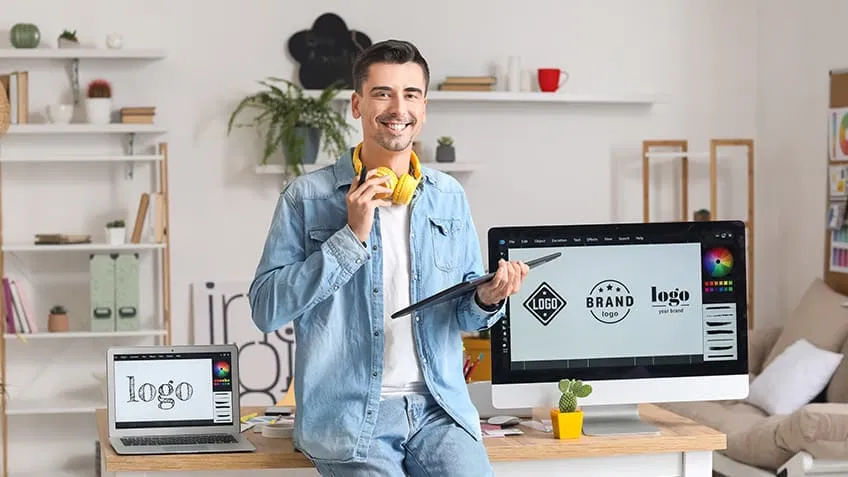
Visual elements are the foundation of any personal brand. From logos to color palettes, these assets create instant recognition. Fortunately, you don’t need to be a designer to build a professional look. Several intuitive platforms make it easy to craft and maintain your visual identity:
- Canva: Ideal for non-designers, Canva offers templates for logos, social posts, presentations, and more. Its drag-and-drop interface and brand kit features help you keep visuals consistent.
- Adobe Express: A streamlined alternative to traditional Adobe tools, this platform provides quick access to design essentials and branding templates.
- Looka: Specializes in AI-powered logo creation and brand kits, enabling you to generate a full suite of assets in minutes.
If you want to dive deeper into creating a professional logo, check out this resource on how to create a professional logo without being a designer.
Color and Typography: Tools for Consistency
Color and typography choices play a crucial role in how your brand is perceived. Consistency in these elements builds trust and makes your content instantly recognizable. Some helpful resources include:
- Coolors: Quickly generate color palettes that fit your brand’s mood and personality.
- Fontpair: Find harmonious font combinations for web and print use.
- Google Fonts: Access a wide range of free, web-friendly typefaces.
For guidance on choosing the right hues, explore this guide on how to choose a brand color palette that conveys trust.
Voice and Messaging: Tools to Define Your Brand Personality
Beyond visuals, your brand’s voice shapes how people connect with you. Whether you’re aiming for approachable, authoritative, or playful, clarity and consistency in messaging are key. Consider these resources:
- Grammarly: Ensures your writing is clear, error-free, and on-brand.
- Hemingway Editor: Helps simplify your language for impact and readability.
- Answer the Public: Generates content ideas based on real search queries, helping you address your audience’s needs.
If you want to refine your communication, see how to develop a brand voice your audience loves.
Brand Monitoring: Stay on Top of Your Reputation
Monitoring your brand online is essential for maintaining a positive reputation and responding to feedback. The following tools help you track mentions and sentiment:
- Google Alerts: Set up notifications for your name or brand keywords to stay informed about new mentions.
- Brand24: Offers real-time social listening and analytics for deeper insights.
- Mention: Tracks conversations across web and social media, making it easier to engage with your audience.
For a step-by-step approach, learn how to track brand mentions online to control your narrative.
Social Media Management: Tools for Consistent Engagement
Social platforms are often the first place people encounter your brand. Managing multiple channels can be time-consuming, but these solutions streamline the process:
- Buffer: Schedule posts, track performance, and manage engagement from a single dashboard.
- Hootsuite: Offers advanced analytics and team collaboration features.
- Later: Focuses on visual planning for Instagram and other image-driven platforms.
Using these platforms ensures your messaging remains consistent and timely, helping you build stronger relationships with your audience.
Website and Portfolio: Showcasing Your Brand Online
Your website is your digital home base. It’s where you control your narrative and showcase your work. Popular website builders for personal brands include:
- Wix: User-friendly drag-and-drop editor with customizable templates.
- Squarespace: Known for sleek, modern designs and integrated blogging tools.
- WordPress.com: Highly flexible with a vast ecosystem of plugins and themes.
When building your site, remember to use your logo, color palette, and voice consistently. This reinforces your brand identity across every page.
Additional Resources for Personal Branding Success
Branding is an ongoing process. Staying updated with the latest strategies and tools can give you a competitive edge. For more in-depth advice, explore these online branding strategies for individuals that can help you adapt and grow your presence.
FAQ
What are the most important branding tools for personal brands?
The most crucial resources include logo and design platforms (like Canva), color palette generators, social media management tools, and website builders. These help you create a consistent look, manage your online presence, and communicate your message effectively.
How can I choose the right tools for my personal branding needs?
Start by identifying your goals and the platforms where your audience spends time. Consider your design skills, budget, and the level of customization you need. Many tools offer free trials, so experiment to find the best fit for your workflow.
Do I need to use all these tools to build a strong personal brand?
No, you don’t need every tool listed here. Focus on the essentials that align with your goals. For example, if you’re active on social media, prioritize scheduling and analytics platforms. If you’re building a portfolio, invest time in a website builder and design resources.
With the right combination of branding tools for personal brands, you can create a memorable, professional presence that truly stands out. Stay consistent, keep learning, and let your unique strengths shine through every aspect of your brand.