
Building trust is essential for any healthcare organization. Patients, clients, and partners expect reliability, transparency, and professionalism at every touchpoint. To achieve this, healthcare companies need to utilize the right branding tools for healthcare brands that help them communicate their values and expertise effectively. From visual identity to digital presence, the right resources can make a significant difference in how a brand is perceived and trusted.
In this guide, we’ll explore the most effective solutions and strategies for healthcare organizations aiming to strengthen their reputation and credibility. Along the way, you’ll find actionable advice, recommended resources, and practical examples to help you make informed decisions about your brand’s toolkit.
For organizations looking to monitor their reputation and manage public perception, learning how to track brand mentions online is a crucial early step. This ensures you stay informed about what patients and the public are saying, allowing you to respond proactively and maintain control of your narrative.
Why Trust Matters in Healthcare Branding
Trust is the foundation of every healthcare relationship. Patients rely on providers not just for medical expertise, but also for honesty, confidentiality, and empathy. In a competitive landscape, a strong and consistent brand helps organizations stand out and assures patients that they are making the right choice.
Effective branding communicates a commitment to quality care, safety, and ethical standards. It also helps organizations attract top talent, build partnerships, and foster loyalty among patients and stakeholders. The right branding tools for healthcare brands enable organizations to deliver these messages consistently across all channels.
Core Branding Tools Every Healthcare Organization Needs
To build and maintain trust, healthcare brands should invest in a variety of tools that support both their visual identity and their communication strategy. Here are the essentials:
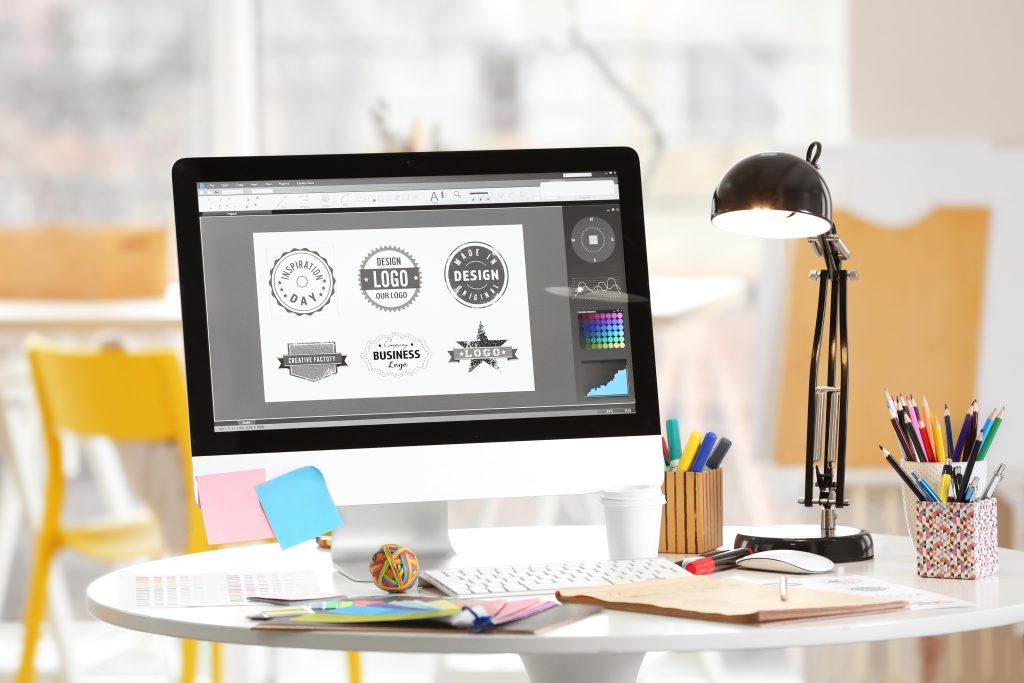
- Logo Design Platforms: A professional, memorable logo is the cornerstone of any brand. Platforms like Canva, Adobe Express, or specialized healthcare logo services help organizations create logos that reflect their values and mission. For those without design experience, resources on how to create a professional logo can be invaluable.
- Brand Guidelines: Consistency is key to building trust. Brand guideline tools like Frontify or Brandfolder allow organizations to document and share their color palettes, typography, imagery, and messaging standards.
- Color Palette Generators: Choosing the right colors can influence perceptions of trust and care. Tools such as Coolors or Adobe Color help healthcare brands select palettes that convey professionalism and compassion. For more guidance, see advice on how to choose a brand color palette that inspires confidence.
- Digital Asset Management: Centralized storage solutions like Bynder or Canto ensure that all brand assets are easily accessible and consistently used across departments and campaigns.

Digital Branding Solutions for Healthcare Providers
In today’s digital-first world, online presence is a major factor in building trust. Healthcare organizations need to leverage digital branding tools to ensure their message is clear, accessible, and consistent across all platforms.
- Website Builders: Platforms like WordPress, Wix, or Squarespace allow healthcare brands to create user-friendly, accessible websites that reflect their identity and provide essential information to patients.
- Social Media Management: Tools such as Hootsuite or Buffer help schedule, monitor, and analyze posts across channels, ensuring that messaging remains consistent and timely.
- Reputation Monitoring: Solutions like Google Alerts, Mention, or Brand24 help organizations keep track of online reviews and public sentiment. This is especially important for healthcare brands, as patient feedback can significantly impact trust and reputation.
- Email Marketing Platforms: Services like Mailchimp or Constant Contact enable healthcare providers to communicate important updates, health tips, and appointment reminders, fostering ongoing relationships with patients.
For a deeper dive into managing your digital reputation, explore resources on online branding strategies for healthcare organizations.
Visual Identity and Design Tools for Healthcare Brands
Visual elements play a crucial role in how patients perceive a healthcare brand. The right design tools help organizations create cohesive, professional materials that reinforce their values and expertise.
- Graphic Design Software: Adobe Creative Cloud, Affinity Designer, and Canva are popular choices for creating brochures, infographics, and presentations tailored to healthcare audiences.
- Stock Photo Libraries: Access to high-quality, relevant imagery is essential. Libraries like Shutterstock, Unsplash, or Getty Images offer a wide range of healthcare-specific visuals.
- Template Marketplaces: Pre-designed templates for reports, flyers, and social media graphics save time and ensure consistency. Many platforms offer healthcare-specific templates to streamline branding efforts.
Auditing and Improving Brand Performance
Regularly reviewing your brand’s performance ensures that your efforts are effective and aligned with your goals. Auditing tools help healthcare organizations identify strengths, weaknesses, and opportunities for improvement.
- Brand Audit Checklists: Structured checklists guide organizations through evaluating their visual identity, messaging, and patient experience. For a step-by-step approach, see tips on how to audit your brand identity.
- Analytics Platforms: Google Analytics, Hotjar, and SEMrush provide insights into website traffic, user behavior, and content performance, helping brands make data-driven decisions.
- Survey Tools: Platforms like SurveyMonkey or Typeform allow healthcare organizations to gather feedback from patients and staff, identifying areas where trust can be strengthened.
Enhancing Brand Awareness and Patient Engagement
Beyond building trust, healthcare organizations must also focus on increasing visibility and engaging their communities. The following tools and strategies can help:
- Content Marketing Platforms: Tools like HubSpot or CoSchedule help plan, create, and distribute valuable content that educates and informs patients.
- SEO Tools: SEMrush, Moz, and Ahrefs assist in optimizing website content so that patients can easily find your services online.
- Community Engagement Platforms: Solutions like Sprout Social or Facebook Groups foster dialogue and support among patients, caregivers, and healthcare professionals.
For actionable advice on expanding your reach, review suggestions on how to improve online brand awareness in the healthcare sector.
Frequently Asked Questions
What are the most important branding tools for healthcare brands?
The most essential resources include logo design platforms, brand guideline tools, digital asset management systems, and website builders. These tools help ensure consistency, professionalism, and clear communication across all patient touchpoints.
How can healthcare organizations maintain trust through branding?
Consistency is key. By using standardized visual elements, clear messaging, and regularly monitoring online reputation, healthcare providers can reinforce their commitment to quality care and transparency. Regular brand audits and patient feedback also help maintain and build trust over time.
Why is visual identity so important for healthcare brands?
Visual identity shapes first impressions and communicates values instantly. Professional logos, color palettes, and cohesive design elements signal reliability, safety, and care, which are critical for patient confidence and loyalty.
How often should healthcare brands update their branding tools?
It’s wise to review branding resources at least annually or whenever there are significant changes in services, regulations, or patient expectations. Regular updates ensure that all materials remain relevant, compliant, and effective in building trust.