
The landscape of branding is evolving rapidly, and businesses are seeking innovative ways to stand out in increasingly crowded markets. As we approach 2026, the demand for smarter, more integrated, and highly adaptive branding solutions is at an all-time high. Understanding the latest branding tools trends 2026 is essential for marketers, designers, and entrepreneurs aiming to future-proof their brand identities and strategies.
In this guide, we’ll explore the most significant shifts shaping the future of branding technology. From AI-powered design assistants to immersive brand experiences, these developments are redefining how brands connect with audiences and manage their reputations. If you want to stay ahead of the curve, it’s crucial to keep up with these emerging trends and learn how to leverage them effectively.
For those looking to monitor their brand’s reputation in real time, learning how to track brand mentions online is a smart first step. This approach helps businesses maintain control over their narrative and respond quickly to market changes.
AI-Driven Branding Solutions: The Next Frontier
Artificial intelligence is no longer a futuristic concept in branding—it’s becoming the backbone of many modern tools. In 2026, expect to see a surge in AI-powered platforms that automate and personalize brand creation, management, and analysis. These technologies can generate logos, suggest color palettes, and even craft brand messaging tailored to specific audiences.
One major advantage of AI-driven branding tools is their ability to analyze vast amounts of data quickly. This enables brands to make informed decisions based on real-time consumer insights and market trends. For example, AI can identify which visual elements resonate most with a target demographic, allowing for rapid iteration and optimization of brand assets.
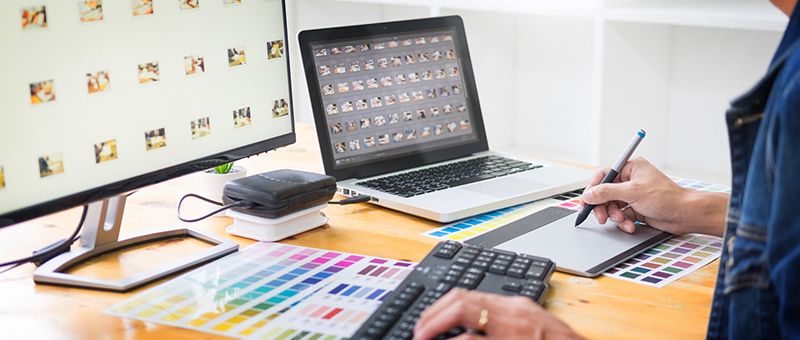
For those without a design background, AI tools make it easier than ever to establish a professional presence. If you’re interested in building your own visual identity, check out this guide on how to create a professional logo without needing advanced design skills.
Immersive Brand Experiences and Interactive Content
As digital environments become more sophisticated, brands are leveraging interactive content and immersive experiences to engage their audiences. In 2026, expect to see branding tools that support augmented reality (AR), virtual reality (VR), and interactive storytelling as standard features.
These technologies allow brands to create memorable experiences that go beyond static visuals. For example, AR-powered business cards or VR showrooms can provide customers with a hands-on feel for a brand’s products and values. Interactive content, such as quizzes or personalized videos, increases engagement and helps brands collect valuable data about their audience’s preferences.
To ensure these experiences are cohesive, brands must pay close attention to their visual identity. Selecting the right color palette is a key step; for expert advice, explore tips on how to choose a brand color palette that builds trust and recognition.
Data-Driven Brand Management and Analytics
Another major trend is the integration of advanced analytics into branding platforms. In 2026, tools will offer deeper insights into brand performance, consumer sentiment, and competitive positioning. By leveraging big data, businesses can track the effectiveness of their branding efforts and adjust strategies in real time.
These analytics platforms often include dashboards that visualize key metrics such as brand awareness, engagement rates, and sentiment analysis. With this information, brands can pinpoint what’s working and where improvements are needed. This data-driven approach leads to more agile and effective branding strategies, reducing guesswork and maximizing ROI.

Regularly reviewing your brand’s identity and performance is essential. For a step-by-step process, see this resource on how to audit your brand identity for better results.
Collaboration and Cloud-Based Branding Platforms
Remote work and global teams have accelerated the adoption of cloud-based branding tools. In 2026, expect these platforms to become even more collaborative, offering real-time editing, version control, and seamless integration with other marketing technologies.
These solutions enable teams to work together on brand assets from anywhere in the world. Features like shared libraries, comment threads, and approval workflows streamline the creative process and ensure brand consistency across all channels. As branding becomes more complex, these collaborative tools will be indispensable for agencies and in-house teams alike.
Personalization and Hyper-Targeted Branding Strategies
Personalization is moving beyond basic name insertion in emails. The latest branding tools are leveraging AI and machine learning to deliver hyper-targeted experiences at every touchpoint. In 2026, brands will use these technologies to create dynamic content, personalized product recommendations, and adaptive website experiences based on user behavior and preferences.
This level of customization helps brands build stronger relationships with their audiences and increases the likelihood of conversion. By integrating personalization into branding strategies, businesses can offer relevant, timely, and memorable interactions that set them apart from competitors.
For more on the value of digital branding and its impact, see this in-depth article on the power and benefits of internet branding.
Brand Protection and Online Reputation Management
With the rise of social media and instant feedback, protecting a brand’s reputation is more important than ever. In 2026, branding tools will offer advanced monitoring and response features to help businesses stay ahead of potential crises. Automated alerts, sentiment tracking, and integrated response workflows will allow brands to address issues before they escalate.
Proactive reputation management not only safeguards brand value but also builds trust with consumers. Brands that respond quickly and transparently to feedback are more likely to retain loyal customers and attract new ones. For actionable tips on increasing your brand’s visibility, read about how to improve online brand awareness in today’s fast-paced digital environment.
FAQ: Branding Tools and Trends for 2026
What are the most important features to look for in branding tools in 2026?
The most critical features include AI-powered design and analytics, real-time collaboration, cloud-based asset management, immersive content support (such as AR/VR), and advanced personalization capabilities. These elements help brands stay agile, consistent, and highly relevant to their audiences.
How can small businesses benefit from the latest branding technology?
Small businesses can leverage modern branding platforms to create professional-quality assets without large budgets or in-house design teams. AI-driven tools, customizable templates, and data-driven insights make it easier for smaller brands to compete with larger players and maintain a strong, consistent identity.
Why is data-driven branding important for future growth?
Data-driven branding enables companies to measure the effectiveness of their strategies, understand audience preferences, and adapt quickly to market changes. By relying on analytics, brands can make informed decisions that lead to better engagement, higher ROI, and long-term success.
Conclusion: Preparing for the Future of Branding
The coming years will bring significant changes to how brands are built, managed, and experienced. By embracing the latest branding tools trends 2026, businesses can position themselves for success in a rapidly evolving digital landscape. Whether you’re a startup or an established company, staying informed and adaptable is key to maintaining a strong, memorable presence in the marketplace.