
Remote work has become the norm for many organizations, making it more important than ever for distributed teams to maintain a unified brand identity. With colleagues spread across different locations and time zones, ensuring everyone stays on the same page about brand standards, assets, and messaging can be challenging. Fortunately, a range of branding tools for remote teams are now available to help keep your team aligned, productive, and consistent in how your brand is presented to the world.
A strong, cohesive brand presence is essential for building trust with customers and standing out in a crowded market. For remote teams, this means having easy access to up-to-date brand assets, clear guidelines, and seamless collaboration platforms. In this guide, we’ll explore practical solutions and strategies to help your distributed workforce stay connected and on-brand, no matter where they’re working from.
If you’re looking to strengthen your company’s brand presence on social platforms, check out our guide on how to improve brand engagement for actionable tips tailored to modern teams.
Why Distributed Teams Need Specialized Branding Solutions
When teams work remotely, they often face unique challenges that can impact brand consistency. Without face-to-face communication, it’s easy for misunderstandings to arise about logo usage, color palettes, or messaging tone. Files might get lost in endless email threads, or outdated assets may accidentally be used in client-facing materials. These issues can dilute your brand and confuse your audience.
Specialized branding tools for remote teams address these pain points by centralizing brand resources, streamlining approval workflows, and providing clear, accessible guidelines. This ensures that every team member, regardless of location, has what they need to represent your brand accurately and confidently.
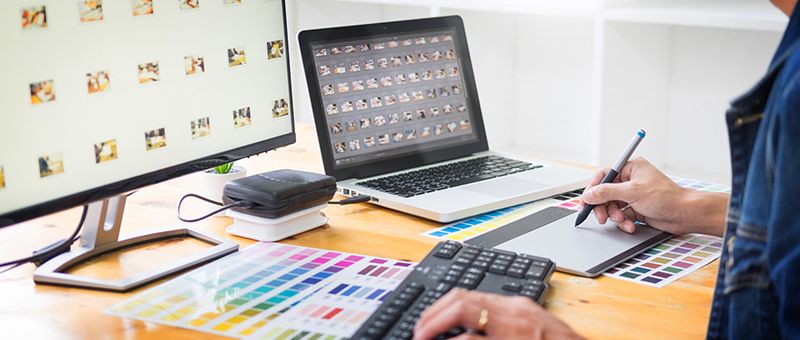
Core Features to Look for in Remote Branding Platforms
Not all branding platforms are created equal. To truly empower your remote workforce, look for solutions that offer the following features:
- Centralized Asset Management: A single source of truth for logos, templates, fonts, and other brand materials, ensuring everyone uses the latest versions.
- Accessible Brand Guidelines: Easy-to-navigate documentation outlining logo usage, color schemes, typography, and tone of voice.
- Collaborative Editing: Real-time editing and feedback tools to streamline the creation and approval of branded content.
- Permission Controls: Role-based access to sensitive assets, so only authorized team members can make changes or download files.
- Version History: Track changes and revert to previous versions if needed, reducing the risk of errors.
- Integration Capabilities: Compatibility with popular project management, design, and communication tools to fit seamlessly into your team’s workflow.
Top Branding Tools for Remote Teams
Let’s take a closer look at some of the most effective platforms and software that help remote teams stay aligned on branding:
- Digital Asset Management (DAM) Systems: These platforms, such as Bynder and Brandfolder, provide a centralized hub for all brand assets. They offer robust search features, permission controls, and easy sharing options, making them ideal for distributed teams.
- Online Brand Guidelines: Tools like Frontify and Lucidpress allow you to create interactive, always-updated brand manuals. Team members can access guidelines from anywhere, ensuring consistent application of your brand identity.
- Collaborative Design Tools: Platforms such as Canva for Teams and Figma enable real-time co-editing, feedback, and template management. These solutions are perfect for remote marketing, design, and content teams who need to produce branded materials quickly and efficiently.
- Template Libraries: Storing pre-approved templates for presentations, social media posts, and documents ensures that even non-designers can create on-brand content with ease.
- Communication and Project Management Apps: Integrating branding tools with Slack, Asana, or Trello helps keep everyone informed about updates, deadlines, and asset changes.
For those just starting out, learning how to create a professional logo can be a foundational step in building a recognizable identity for your remote team.

Best Practices for Keeping Remote Teams On-Brand
Having the right tools is only part of the equation. To ensure your distributed team consistently applies your brand identity, consider these best practices:
- Regular Training: Schedule periodic workshops or webinars to review brand guidelines and answer questions.
- Clear Communication: Use dedicated channels for brand-related updates and feedback, so important information doesn’t get lost.
- Accessible Resources: Make sure all team members know where to find the latest assets and guidelines, and encourage them to ask if they’re unsure.
- Feedback Loops: Foster a culture where team members can suggest improvements to branding processes or flag inconsistencies.
- Consistent Monitoring: Use monitoring tools to track brand mentions and ensure your identity is represented accurately across all channels. For more on this, see our article on how to track brand mentions online.
Benefits of Unified Branding for Distributed Teams
When remote teams have access to effective branding solutions, the benefits go beyond just visual consistency. A unified approach helps:
- Build Trust: Customers and partners are more likely to trust brands that present themselves consistently across all touchpoints.
- Increase Efficiency: Team members spend less time searching for assets or clarifying guidelines, freeing them to focus on high-value work.
- Empower Collaboration: With clear processes and shared resources, collaboration becomes smoother and more productive.
- Reduce Errors: Centralized tools and clear guidelines minimize the risk of outdated or incorrect branding being used.
If you want to dive deeper into the importance and benefits of internet branding, this resource provides valuable insights into why a strong digital identity matters for organizations of all sizes.
Choosing the Right Branding Tools for Your Remote Team
Selecting the best platform depends on your team’s size, workflow, and specific needs. Here are a few tips to guide your decision:
- Assess your current pain points—are assets hard to find, or are guidelines unclear?
- Consider scalability—will the tool grow with your team as you add new members or expand your brand?
- Look for integrations with your existing project management and communication platforms.
- Prioritize user-friendly interfaces to ensure adoption across all departments.
- Test with a pilot group before rolling out company-wide to gather feedback and refine processes.
For organizations focused on visual identity, exploring how to choose a brand color palette can help ensure your branding is both attractive and trustworthy.
FAQ
What are the most important features in branding tools for remote teams?
The most critical features include centralized asset management, accessible brand guidelines, collaborative editing, permission controls, and integration with existing workflow tools. These capabilities help ensure that everyone on your team can access the latest resources and apply your brand identity correctly.
How can remote teams ensure brand consistency across different locations?
By using dedicated branding platforms, providing regular training, and maintaining clear communication channels, distributed teams can stay aligned. Centralized resources and clear guidelines are key to preventing inconsistencies and ensuring a unified brand presence.
Why is unified branding important for remote organizations?
A consistent brand identity builds trust with customers, streamlines internal processes, and empowers teams to collaborate more effectively. For remote organizations, unified branding also reduces errors and helps maintain a strong reputation in the digital marketplace.