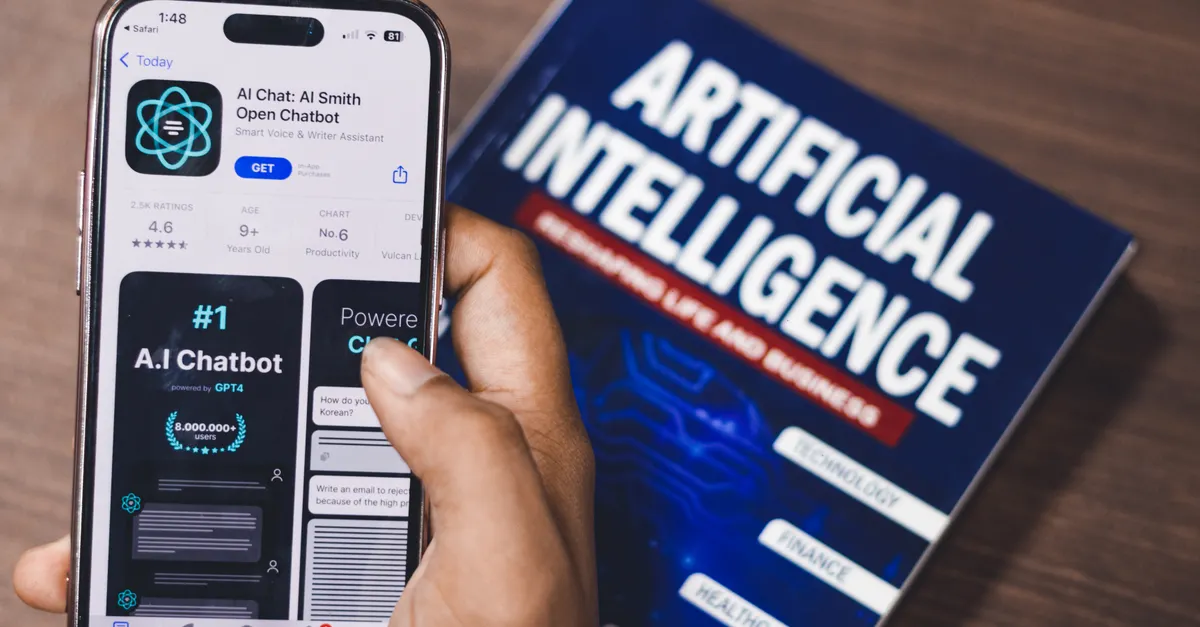

Small business owners are increasingly turning to AI-driven chatbots for small businesses to streamline customer interactions, automate repetitive tasks, and deliver round-the-clock support. These advanced tools are no longer reserved for large enterprises; today, even the smallest companies can leverage artificial intelligence to improve efficiency and compete in a fast-paced digital market. This guide explores the practical benefits, leading platforms, and actionable steps for implementing AI chatbots, helping small businesses make informed decisions and unlock new opportunities.
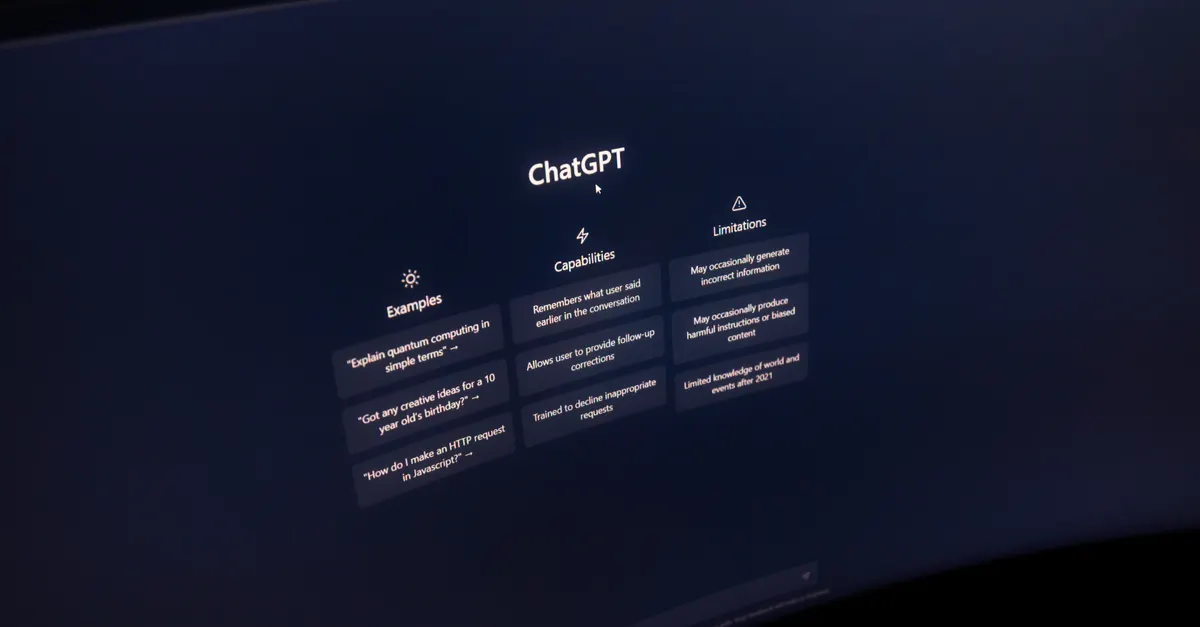
Understanding AI Chatbots in the Small Business Context
AI chatbots are software applications powered by artificial intelligence that simulate human-like conversations with users. For small businesses, these chatbots can be deployed on websites, social media, or messaging platforms to answer questions, process orders, and provide support. Unlike traditional scripted bots, modern AI solutions use natural language processing to understand context and intent, making interactions smoother and more effective.
The importance of these tools for small businesses lies in their ability to handle customer inquiries efficiently, reduce manual workload, and offer consistent service regardless of business hours. As customer expectations for instant responses grow, adopting AI chatbots becomes a strategic move for businesses aiming to deliver high-quality support without significantly increasing costs.
Key Benefits of AI Chatbots for Small Businesses
Integrating AI-driven chatbots into small business operations brings a range of advantages that can transform both customer experience and internal processes. Here are some of the most impactful benefits:
- 24/7 Customer Support: AI chatbots never sleep. They provide instant responses to customer inquiries at any time, ensuring that potential leads and existing clients receive attention even outside of regular business hours.
- Cost Reduction: By automating routine tasks such as answering FAQs, booking appointments, or processing orders, businesses can reduce the need for additional staff and minimize operational expenses.
- Improved Efficiency: Chatbots handle multiple conversations simultaneously, eliminating wait times and freeing up human employees to focus on more complex or high-value tasks.
- Consistent Customer Experience: Automated responses ensure that every customer receives accurate and consistent information, reducing the risk of human error.
- Enhanced Engagement: AI chatbots can proactively reach out to website visitors, recommend products, or follow up on abandoned carts, increasing the chances of conversion and customer retention.
- Data Collection and Insights: Every interaction with a chatbot generates valuable data. Businesses can analyze these conversations to identify trends, customer pain points, and opportunities for improvement.
According to industry sources, AI chatbots help small businesses automate customer interactions, reduce costs, and improve service efficiency. This automation not only saves time but also allows businesses to scale their support operations without proportionally increasing costs.
Comparing Leading AI Chatbot Platforms for Small Businesses
Choosing the right platform is crucial for maximizing the value of AI chatbots. While there are many options available, not all are tailored to the unique needs and budgets of smaller companies. Here’s a comparison of some top platforms, focusing on features that matter most to small businesses:
| Platform | Key Features | Best For | Notable Strength |
|---|---|---|---|
| Heyy | Multi-channel integration, context preservation, easy setup | Businesses needing seamless conversations across platforms | Integrates multiple communication channels and preserves conversation context, ensuring continuity for customers who switch between platforms. |
| Zoho SalesIQ | AI-powered automation, CRM integration, analytics | Companies already using Zoho or seeking robust analytics | Offers deep integration with Zoho’s suite, making it ideal for businesses looking for a unified solution. |
| ManyChat | Facebook Messenger and Instagram automation, visual flow builder | Businesses focused on social media engagement | User-friendly interface and strong support for social channels. |
| Tidio | Live chat, chatbot builder, email integration | Small businesses wanting a mix of live and automated chat | Combines live chat with AI automation for flexible customer support. |
When comparing platforms, consider factors such as ease of use, integration with existing tools, scalability, and pricing. For example, Heyy stands out for its ability to manage conversations across multiple channels while maintaining context, which is particularly valuable for businesses interacting with customers on both social media and their website.
If your business is active on social platforms, you might also find value in exploring resources like the Social Media Content for Small Businesses Guide to further enhance your digital engagement strategy.
Step-by-Step Guide to Implementing AI Chatbots
Successfully deploying AI-driven chatbots for small businesses involves more than just selecting a platform. A thoughtful, step-by-step approach ensures smooth integration and maximizes return on investment. Here’s how to get started:
- Define Your Objectives: Identify the main goals for your chatbot—whether it’s answering FAQs, capturing leads, processing orders, or providing technical support.
- Map Out Customer Journeys: Understand the typical paths customers take when interacting with your business. This helps in designing chatbot flows that address real user needs.
- Choose the Right Platform: Select a chatbot solution that aligns with your business size, technical expertise, and integration requirements. Consider platforms that offer easy setup and strong support.
- Design Conversational Flows: Create scripts and responses that sound natural and helpful. Use the platform’s tools to build flows for common queries and scenarios.
- Integrate with Existing Tools: Connect your chatbot to your website, CRM, or social media accounts to ensure seamless data sharing and customer tracking.
- Test Thoroughly: Before going live, test the chatbot with real users to identify gaps or confusing interactions. Make adjustments based on feedback.
- Launch and Monitor: Deploy the chatbot and monitor its performance. Use analytics to track engagement, resolution rates, and customer satisfaction.
- Iterate and Improve: Regularly update the chatbot’s knowledge base and conversational flows based on customer feedback and changing business needs.
Common challenges during implementation include unclear objectives, poor integration with existing systems, and lack of ongoing maintenance. Addressing these proactively will help ensure your chatbot delivers real value.
Cost Considerations for Small Business Chatbot Adoption
One of the main concerns for small business owners is the cost of adopting new technology. Fortunately, many AI-driven chatbot platforms offer flexible pricing models, including free tiers, pay-as-you-go plans, and scalable subscriptions. Key factors influencing cost include:
- Number of Conversations: Some platforms charge based on the volume of interactions or active users.
- Feature Set: Advanced features like analytics, integrations, or multi-channel support may require higher-tier plans.
- Customization and Support: Custom development or premium support can add to the overall cost.
For most small businesses, starting with a basic plan and upgrading as needs grow is a practical approach. The return on investment often becomes evident through reduced labor costs, improved customer satisfaction, and increased sales.

Looking Ahead: The Evolving Role of AI Chatbots in Small Business
The landscape of AI-driven chatbots for small businesses is rapidly evolving. As artificial intelligence continues to advance, chatbots are becoming more conversational, context-aware, and capable of handling complex tasks. Future trends include deeper integration with business systems, personalized customer experiences, and the ability to understand and process voice commands.
To stay ahead, small businesses should remain open to adopting new technologies, regularly review their chatbot’s performance, and seek out platforms that offer scalability and innovation. Embracing these tools not only enhances customer engagement but also positions businesses for long-term growth in an increasingly digital world.
Frequently Asked Questions
How do AI chatbots improve customer service for small businesses?
AI chatbots provide instant, accurate responses to customer inquiries, reducing wait times and ensuring consistent service. They can handle multiple conversations simultaneously, freeing up staff for more complex tasks and improving overall customer satisfaction.
What should small businesses consider when choosing a chatbot platform?
Key considerations include ease of use, integration capabilities, scalability, pricing, and the ability to handle the specific types of interactions your business requires. Reviewing platform comparisons and testing free trials can help identify the best fit.
Are AI-driven chatbots expensive to implement?
Costs vary depending on the platform and feature set, but many providers offer affordable plans tailored to small businesses. Starting with a basic package and upgrading as your needs evolve is a cost-effective strategy.