

Artificial intelligence is reshaping how brands connect with customers, and one of the most practical applications is the use of AI chatbots for marketing. These conversational tools automate interactions, streamline support, and personalize engagement, making them an increasingly vital part of modern marketing strategies. As businesses look for ways to improve efficiency and customer satisfaction, understanding how to leverage AI-driven chatbots can provide a clear competitive advantage.
Understanding the Role of AI Chatbots in Modern Marketing
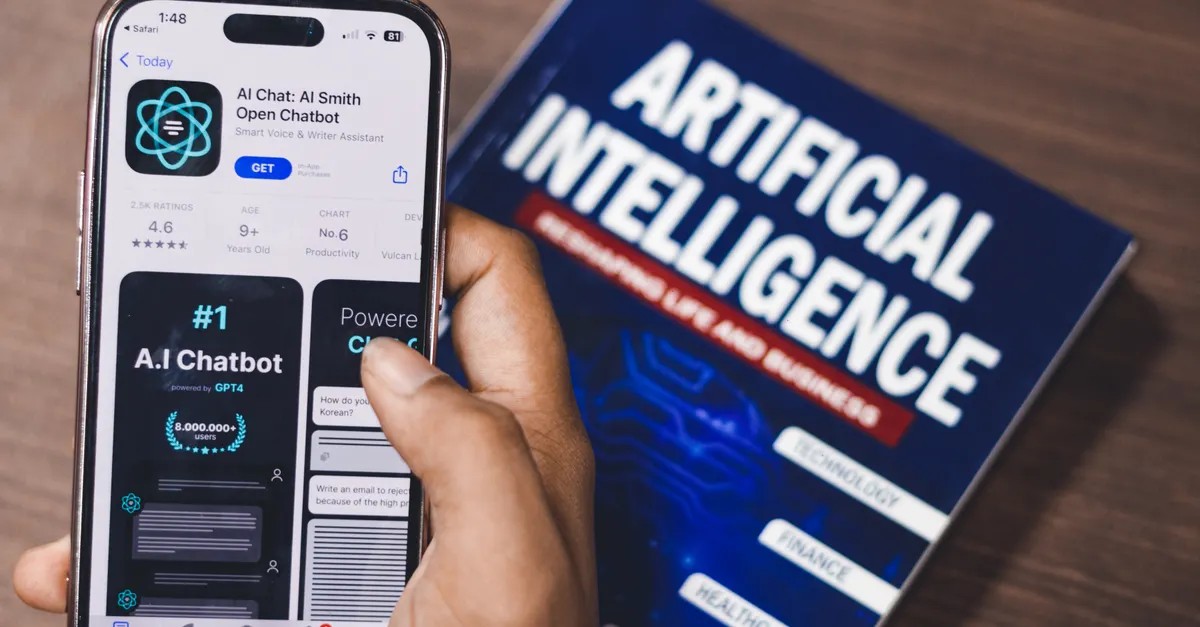
AI chatbots are software programs powered by artificial intelligence that simulate human conversation. They can interact with users through messaging apps, websites, and social media platforms, providing instant responses to queries and guiding users through various processes. In marketing, these chatbots help brands engage with potential and existing customers, answer questions, recommend products, and even assist in completing purchases.
The importance of AI chatbots in marketing lies in their ability to offer real-time, personalized communication at scale. Unlike traditional customer service channels, chatbots can handle thousands of conversations simultaneously, ensuring that no customer is left waiting. This capability not only improves user experience but also frees up human agents to focus on more complex tasks.
Key Benefits of Using AI Chatbots for Marketing
Integrating AI chatbots for marketing brings a range of advantages that can transform how businesses interact with their audiences. According to IBM, some of the most significant benefits include:
- 24/7 Availability: Chatbots never sleep, providing continuous support and engagement regardless of time zones or holidays.
- Cost-Efficiency: Automating routine interactions reduces the need for large customer service teams, leading to substantial cost savings.
- Scalability: AI chatbots can manage thousands of conversations at once, making it easier to handle spikes in demand during campaigns or product launches.
- Data Collection: Every interaction with a chatbot generates valuable data about customer preferences, pain points, and behavior, which can inform future marketing strategies.
One of the standout features is enhanced customer engagement. Chatbots can deliver personalized recommendations, send targeted messages, and follow up with users based on their previous interactions. This level of customization helps build stronger relationships and increases the likelihood of conversions.
Comparing Popular AI Chatbots for Marketing
With the growing demand for conversational AI, several platforms have emerged, each offering unique features tailored for marketing. Here’s a look at some of the most widely used options:
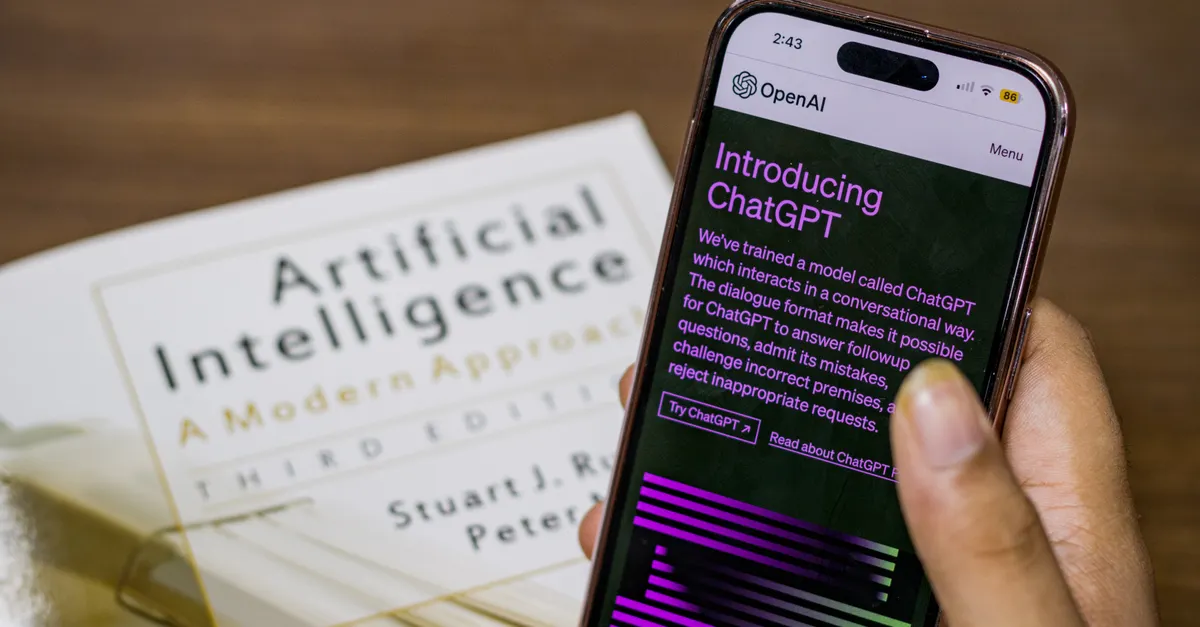
- ChatGPT: Developed by OpenAI, ChatGPT is known for its advanced language capabilities and flexibility. It can be integrated into websites and messaging platforms to provide natural, human-like conversations.
- ChatBot.com: This platform offers a user-friendly interface for building and deploying chatbots without coding. It includes templates for lead generation, customer support, and product recommendations.
- Warmly: Focused on B2B marketing, Warmly helps businesses qualify leads and schedule meetings directly through chat interactions.
- Manychat: Popular for its integration with Facebook Messenger and Instagram, Manychat is ideal for social media marketing and automating responses to common questions.
- Conversica: Designed for sales and marketing teams, Conversica uses AI to nurture leads and follow up automatically, increasing conversion rates.
- Haptik: Specializing in customer support and engagement, Haptik offers multilingual capabilities and deep analytics.
- Gupshup: Known for its versatility, Gupshup supports a wide range of messaging platforms and offers tools for both marketing and transactional messaging.
When choosing a chatbot platform, consider factors such as integration options, ease of use, analytics capabilities, and the specific needs of your marketing strategy. For a deeper dive into optimizing your chatbot’s reach, you might find insights on how to market your chatbot particularly useful.
Common Challenges and Limitations in Chatbot Marketing
While the advantages are clear, it’s important to acknowledge the challenges that come with adopting AI chatbots for marketing. Addressing these issues early can help ensure a smoother implementation and better results.
- Limited Understanding: AI chatbots, especially those not based on advanced conversational AI, may struggle with complex or ambiguous queries, leading to customer frustration.
- Integration Complexity: Connecting chatbots with existing CRM, email marketing, or analytics tools can be technically challenging, requiring careful planning and sometimes custom development.
- Maintaining a Human Touch: Over-reliance on automation can make interactions feel impersonal. Striking the right balance between automated and human support is crucial for maintaining customer trust.
- Data Privacy Concerns: Handling sensitive customer data requires strict adherence to privacy regulations, and any breach can damage brand reputation.
- Ongoing Maintenance: AI chatbots need regular updates to stay relevant, accurate, and effective as products, services, and customer expectations evolve.
To overcome these challenges, businesses should:
- Invest in training and regularly updating chatbot scripts and AI models.
- Ensure seamless integration with marketing and sales platforms.
- Monitor chatbot interactions and provide easy access to human agents when needed.
- Implement robust data protection measures and stay compliant with regulations.
- Gather feedback from users to continuously improve chatbot performance.
Integrating AI Chatbots into Your Marketing Strategy
Successfully adding AI chatbots for marketing to your existing strategy involves more than just deploying a bot on your website. Here are practical steps to ensure effective integration:
- Define Clear Objectives: Identify what you want your chatbot to achieve—lead generation, customer support, product recommendations, or event registrations.
- Select the Right Platform: Choose a chatbot solution that aligns with your technical requirements and marketing goals. Consider platforms that offer easy integration with your current tools.
- Map the Customer Journey: Determine where in the customer journey a chatbot can add the most value, such as answering FAQs, qualifying leads, or providing personalized offers.
- Integrate with Marketing Tools: Connect your chatbot to CRM systems, email marketing platforms, and analytics tools to streamline workflows and gather actionable insights.
- Test and Optimize: Launch your chatbot with a limited audience, gather feedback, and make necessary adjustments before a full rollout.
For businesses focused on social media, exploring automated social media marketing strategies can further enhance the impact of chatbot integration.
Additionally, combining chatbots with personalized email marketing best practices can create a seamless, multi-channel customer experience.
Conclusion: The Future of Conversational AI in Marketing
AI chatbots are set to play an even larger role in marketing as technology advances. Their ability to provide instant, personalized, and scalable communication makes them invaluable for brands seeking to build lasting customer relationships. By understanding both the benefits and the challenges, businesses can implement chatbots thoughtfully and maximize their marketing ROI.
As conversational AI continues to evolve, staying informed about best practices and emerging trends will help marketers leverage these tools for sustained growth and customer satisfaction.
Frequently Asked Questions
What are the main benefits of using AI chatbots in marketing?
The primary advantages include 24/7 customer support, cost savings, scalability, and the ability to collect and analyze customer data. Chatbots also enhance engagement by delivering personalized experiences and automating repetitive tasks.
How do AI chatbots improve customer engagement?
AI chatbots engage customers by providing instant responses, personalized recommendations, and proactive outreach. They can follow up on abandoned carts, answer questions, and guide users through purchasing decisions, leading to higher satisfaction and increased conversions.
What challenges should businesses expect when implementing AI chatbots?
Common challenges include ensuring the chatbot understands complex queries, integrating with existing systems, maintaining a human touch, protecting customer data, and keeping the chatbot updated. Addressing these issues requires careful planning, ongoing training, and a focus on user feedback.