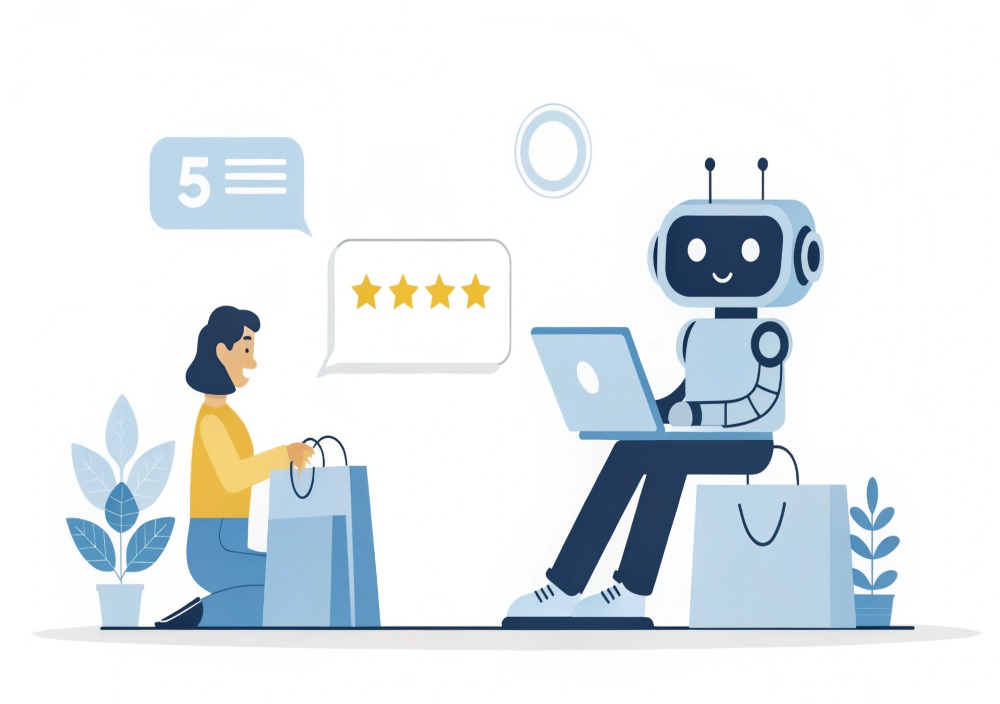

The rise of ai in visual merchandising is transforming how online retailers present their products. By leveraging advanced algorithms and machine learning, businesses can create dynamic, personalized, and visually appealing product displays that engage shoppers and drive conversions. As e-commerce competition intensifies, optimizing digital storefronts with artificial intelligence is no longer a luxury—it’s a necessity for brands that want to stand out and deliver exceptional customer experiences.
In this guide, you’ll discover how artificial intelligence is reshaping digital merchandising, practical steps for implementation, and the benefits it brings to both retailers and shoppers. We’ll also explore real-world applications, best practices, and resources for further exploration. For those interested in related innovations, such as virtual assistants for shopping, there are additional strategies to enhance the digital shopping journey.
Understanding the Role of Artificial Intelligence in Digital Merchandising
The integration of ai in visual merchandising involves using data-driven technologies to automate, optimize, and personalize how products are displayed online. Unlike traditional merchandising, which relies on static layouts and manual curation, AI-powered systems analyze customer behavior, preferences, and trends to dynamically adjust product arrangements and visuals in real time.
This approach enables retailers to deliver tailored experiences that resonate with individual shoppers, increase engagement, and ultimately boost sales. By analyzing click-through rates, browsing history, and purchase patterns, AI can recommend the most relevant products and arrange them in visually compelling ways that capture attention.
Key Benefits of AI-Driven Product Displays
Adopting artificial intelligence for product presentation offers several advantages for online retailers:
- Personalization: AI tailors product recommendations and layouts to individual users, increasing the likelihood of conversion.
- Efficiency: Automated merchandising reduces manual workload, allowing teams to focus on strategy and creativity.
- Data-Driven Insights: Machine learning algorithms continuously analyze performance metrics, enabling ongoing optimization.
- Enhanced Visual Appeal: AI can select the most attractive images, arrange products by popularity or relevance, and even test different layouts to see what works best.
- Scalability: AI solutions can handle large inventories and adapt to changing trends without requiring constant human intervention.

How to Implement AI-Powered Visual Merchandising on Your Online Store
Introducing ai in visual merchandising to your e-commerce platform involves several practical steps. Here’s a roadmap to get started:
- Assess Your Current Merchandising Strategy: Review how products are currently displayed and identify areas where automation or personalization could add value.
- Choose the Right AI Tools: Evaluate solutions that offer features such as real-time product recommendations, dynamic image selection, and layout optimization. Many platforms integrate seamlessly with popular e-commerce systems.
- Integrate Data Sources: Connect your store’s analytics, inventory management, and customer data to the AI system. The more data available, the more accurate and effective the recommendations will be.
- Test and Optimize: Use A/B testing to experiment with different layouts, product arrangements, and recommendation algorithms. Monitor performance metrics and adjust settings based on what drives engagement and sales.
- Monitor and Iterate: AI systems improve over time as they learn from new data. Regularly review insights and refine your merchandising approach to stay ahead of trends and customer preferences.
Applications of Machine Learning in E-Commerce Merchandising
Artificial intelligence offers a variety of practical applications for online merchandising, including:
- Personalized Product Recommendations: Suggesting items based on browsing history, purchase behavior, and demographic data.
- Dynamic Product Sorting: Automatically rearranging products on category pages based on popularity, relevance, or predicted interest.
- Automated Visual Tagging: Using image recognition to categorize and tag products, making it easier for customers to find what they’re looking for. For more on this, see our guide to image recognition in ecommerce.
- Optimized Banner and Hero Images: Selecting visuals that are most likely to engage specific audience segments.
- Real-Time Inventory Display: Highlighting in-stock or trending items to create urgency and boost conversions.
Best Practices for Maximizing Results with AI Merchandising
To get the most out of ai in visual merchandising, consider these proven strategies:
- Start with Clear Goals: Define what you want to achieve—higher conversion rates, increased average order value, or improved customer retention.
- Prioritize User Experience: Ensure that automated changes enhance, rather than disrupt, the shopping journey. Keep navigation intuitive and visuals consistent with your brand.
- Leverage Multichannel Data: Combine insights from web, mobile, and social channels to create a unified merchandising strategy.
- Stay Transparent: Let customers know when recommendations are personalized, and provide options to adjust preferences if possible.
- Continuously Analyze Performance: Use analytics dashboards to track key metrics and identify opportunities for further optimization.
For a deeper dive into how artificial intelligence is shaping the future of online retail, check out this comprehensive overview of AI in e-commerce.
Integrating AI with Other E-Commerce Technologies
The impact of artificial intelligence on digital merchandising is amplified when combined with other advanced technologies. For example, pairing AI-driven displays with voice search in online stores or natural language processing for retail can create seamless, intuitive shopping experiences. Additionally, using ai powered search optimization ensures that customers find relevant products quickly, further enhancing satisfaction and loyalty.
The synergy between these tools allows retailers to deliver a cohesive, data-driven approach to merchandising that adapts to evolving consumer expectations.
Frequently Asked Questions
What is AI-powered visual merchandising?
AI-powered visual merchandising refers to the use of artificial intelligence and machine learning to automate and personalize how products are displayed online. These systems analyze customer data and behavior to optimize product arrangements, images, and recommendations in real time, resulting in a more engaging and effective shopping experience.
How does artificial intelligence improve online product displays?
Artificial intelligence enhances online product displays by tailoring content to individual shoppers, selecting the most appealing visuals, and dynamically adjusting layouts based on performance data. This leads to increased engagement, higher conversion rates, and improved customer satisfaction.
Can AI merchandising be integrated with existing e-commerce platforms?
Yes, many AI merchandising solutions are designed to integrate seamlessly with popular e-commerce platforms. They often offer plug-and-play functionality or APIs that connect with your store’s existing systems, making it easier to implement advanced features without significant technical overhead.