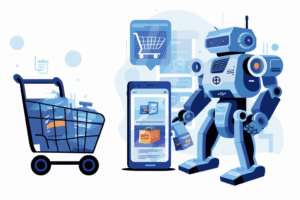

The rapid evolution of ai trends in ecommerce is reshaping how online retailers operate, compete, and serve their customers. Artificial intelligence is no longer a futuristic concept—it’s an essential driver of efficiency, personalization, and growth in digital retail. From smarter product recommendations to automated customer service, AI-powered tools are now at the core of many successful e-commerce strategies.
Businesses that understand and adopt these innovations are better positioned to meet rising consumer expectations and stay ahead of the competition. In this article, we’ll explore the most significant developments in AI for online retail, practical applications, and what these changes mean for merchants and shoppers alike.
One of the most impactful ways AI is changing online shopping is through virtual assistants for shopping. These intelligent tools guide customers, answer questions, and streamline the buying process, making e-commerce more accessible and enjoyable for everyone.
Personalization and Product Recommendations: The Heart of AI Innovation
Personalization has become a cornerstone of modern online retail. AI-driven systems analyze vast amounts of customer data—browsing history, past purchases, and even real-time behavior—to deliver tailored product suggestions. This level of customization not only increases conversion rates but also enhances the overall shopping experience.
Machine learning algorithms continuously improve as they gather more data, ensuring that recommendations become more accurate over time. Retailers leveraging these technologies can present the right products to the right customers at the perfect moment, resulting in higher satisfaction and loyalty.
Conversational Commerce: Chatbots and Virtual Shopping Assistants
The rise of conversational AI has transformed how brands interact with customers. Intelligent chatbots and virtual assistants can handle inquiries, recommend products, and even resolve issues—all in real time. These tools are available 24/7, reducing response times and freeing up human staff for more complex tasks.
As natural language processing advances, these digital helpers become more adept at understanding context and intent. This leads to smoother, more human-like interactions that build trust and encourage repeat business. For a deeper dive into how language technologies are shaping retail, see our guide on natural language processing for retail.
Visual Search and Image Recognition: Redefining Product Discovery
Another major development in ai trends in ecommerce is the integration of visual search and image recognition. Shoppers can now upload a photo or screenshot to find similar products instantly, bypassing the need for keywords. This technology is particularly useful in fashion, home décor, and other visually-driven categories.
AI-powered image analysis not only improves product discovery but also helps retailers organize and tag their inventory more efficiently. To learn more about this technology, check out our article on image recognition in ecommerce.

Voice Search and Shopping: Hands-Free Convenience
As smart speakers and voice assistants become more common, voice-activated shopping is gaining traction. AI enables customers to search for products, place orders, and track deliveries using simple voice commands. This hands-free approach is especially appealing for multitasking shoppers and those with accessibility needs.
Retailers optimizing their sites for voice queries can capture a growing segment of the market. For strategies and insights on this topic, visit our resource on voice search in online stores.
AI-Powered Search Optimization: Helping Customers Find What They Need
Traditional search bars often struggle with misspellings, vague queries, or complex product names. AI-driven search optimization tools use machine learning to interpret intent, correct errors, and surface relevant results quickly. This not only reduces friction but also increases the likelihood of a successful purchase.
By analyzing user behavior and feedback, these systems continually refine their algorithms, ensuring that search experiences remain intuitive and effective. For more on this subject, see our detailed guide to ai powered search optimization.
Fraud Detection and Security: Protecting Merchants and Shoppers
Security is a top priority in online retail, and AI is playing a crucial role in identifying and preventing fraudulent activity. Advanced algorithms can detect unusual patterns, flag suspicious transactions, and adapt to new threats in real time. This proactive approach minimizes losses and builds confidence among customers.
As cyber threats evolve, continuous investment in AI-driven security measures will be essential for maintaining trust and safeguarding sensitive information.
Inventory and Supply Chain Optimization: Smarter Operations
AI is also transforming backend operations, from inventory management to logistics. Predictive analytics help retailers forecast demand, optimize stock levels, and reduce waste. Automated systems can adjust pricing, manage reordering, and streamline fulfillment, resulting in cost savings and improved efficiency.
These innovations free up resources and allow businesses to focus on growth and customer engagement, rather than manual processes.
Staying Ahead: Embracing the Future of AI in Online Retail
The pace of change in ai trends in ecommerce shows no signs of slowing. Retailers who embrace these technologies will be better equipped to deliver personalized, seamless, and secure experiences. Whether it’s through smarter product discovery, conversational interfaces, or robust security, AI is setting new standards for what shoppers expect.
For a broader perspective on how artificial intelligence is making online stores smarter and more efficient, see this in-depth analysis of AI’s impact on e-commerce.
FAQ: Common Questions About AI in Online Retail
How does AI improve the customer experience in online shopping?
Artificial intelligence enhances the shopping journey by offering personalized recommendations, faster customer service through chatbots, and more accurate search results. These improvements make it easier for customers to find what they want and enjoy a seamless buying process.
What are some practical examples of AI in e-commerce today?
AI is used in product recommendation engines, virtual shopping assistants, visual search tools, voice-activated shopping, and fraud detection systems. These applications help retailers streamline operations and offer better service to their customers.
Is AI adoption in e-commerce only for large companies?
No, businesses of all sizes can benefit from AI-powered solutions. Many platforms offer scalable tools that small and medium-sized retailers can implement to enhance personalization, automate tasks, and improve security.