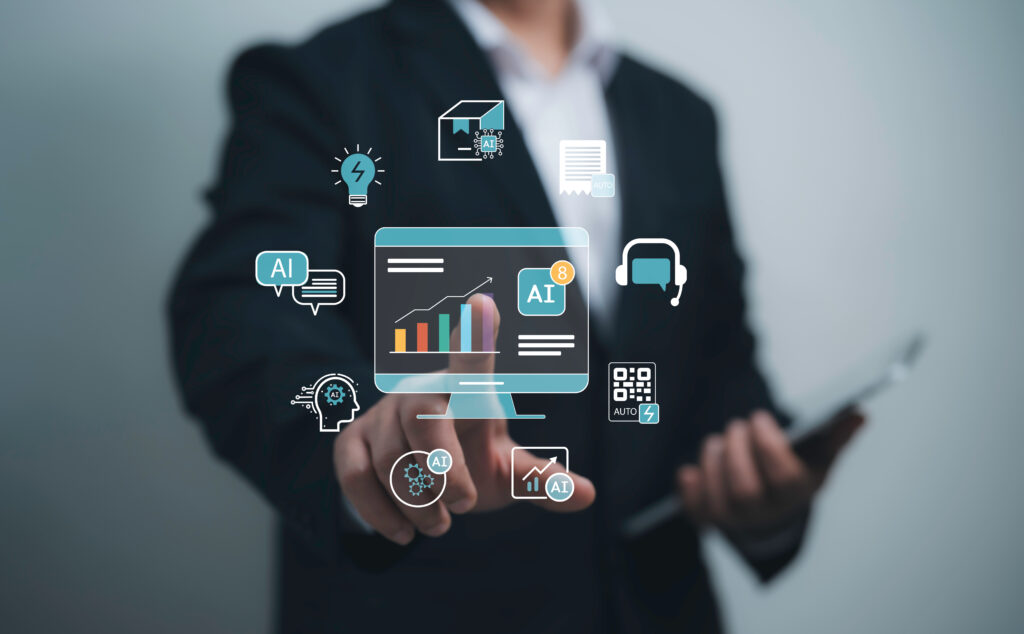

Artificial intelligence is rapidly transforming the retail sector, reshaping everything from inventory management to customer engagement. As businesses strive to stay competitive, understanding the impact of AI on retail operations has become essential for both large chains and independent stores. Leveraging AI-driven solutions helps retailers streamline processes, reduce costs, and deliver more personalized experiences to shoppers.
With the proliferation of digital tools, retailers are increasingly turning to automation and machine learning to optimize their daily activities. These technologies are not just futuristic concepts—they are actively changing how stores operate, make decisions, and interact with consumers. For those interested in how AI is revolutionizing other industries, the article on impact of ai on insurance underwriting provides valuable insights into its broader applications.
How AI Is Transforming Inventory and Supply Chain Management
One of the most significant changes brought by artificial intelligence is in inventory and supply chain optimization. Traditional forecasting methods often struggle to account for sudden shifts in demand, seasonal trends, or disruptions. AI-powered analytics, however, can process vast amounts of data in real time, enabling more accurate predictions and faster responses to market changes.
For example, machine learning algorithms can analyze sales history, weather patterns, and even social media trends to forecast which products will be in demand. This allows retailers to maintain optimal stock levels, reduce overstock and stockouts, and minimize waste. Automated replenishment systems, guided by AI, help ensure shelves are stocked efficiently, freeing up staff to focus on customer service.
Enhancing Customer Experience Through Personalization
AI’s influence extends beyond logistics and into the heart of the retail experience: personalization. By analyzing customer data, such as purchase history and browsing behavior, AI systems can recommend products tailored to individual preferences. This level of customization not only increases sales but also builds loyalty by making shoppers feel understood and valued.
Chatbots and virtual assistants, powered by natural language processing, are now common on retail websites and apps. They provide instant support, answer questions, and guide customers through the buying process. These tools are available 24/7, ensuring that shoppers receive assistance whenever they need it, which enhances satisfaction and encourages repeat business.
Retailers can also use AI to segment their audience and deliver targeted marketing campaigns. Personalized emails, offers, and advertisements are more likely to convert because they resonate with the recipient’s interests and needs. This approach helps brands stand out in a crowded marketplace.
AI-Driven Automation in Retail Operations
Automation is another area where AI is making a noticeable difference in retail. Routine tasks such as price updates, order processing, and even store cleaning can now be handled by intelligent systems. This not only reduces human error but also allows staff to focus on higher-value activities, such as building customer relationships and improving in-store experiences.
Self-checkout kiosks, powered by computer vision and machine learning, are becoming increasingly common in physical stores. These systems can identify products, process payments, and even detect potential theft, all without human intervention. In warehouses, AI-driven robots handle picking, packing, and shipping, increasing efficiency and reducing labor costs.

Data-Driven Decision Making and Predictive Analytics
Retailers are increasingly relying on AI-powered analytics to guide their strategic decisions. By leveraging predictive models, businesses can anticipate trends, plan promotions, and allocate resources more effectively. This data-driven approach helps reduce guesswork and ensures that decisions are based on real-time insights rather than intuition alone.
AI can also identify patterns that might go unnoticed by human analysts. For instance, it can detect subtle changes in customer behavior or emerging market trends, allowing retailers to adapt quickly. This agility is crucial in a fast-paced environment where consumer preferences can shift rapidly.
For those interested in visual search and its applications in e-commerce, the article on how to use ai for visual search integration explores how retailers can further enhance the shopping experience using advanced image recognition technologies.
Challenges and Considerations in Implementing AI
While the benefits of AI in retail are substantial, there are also challenges to consider. Integrating new technologies into existing systems can be complex and costly, especially for smaller businesses. Data privacy and security are ongoing concerns, as retailers must ensure that customer information is handled responsibly and in compliance with regulations.
Additionally, there is a learning curve for staff who need to adapt to new tools and workflows. Ongoing training and support are essential to maximize the value of AI investments. Retailers must also be mindful of maintaining a human touch, as over-automation can sometimes lead to impersonal experiences that alienate customers.
Future Trends: What’s Next for AI in Retail?
The evolution of AI in retail shows no signs of slowing down. As technology advances, we can expect even more sophisticated applications, such as real-time emotion analysis, hyper-personalized marketing, and seamless omnichannel experiences. AI will continue to drive innovation, helping retailers respond to changing consumer demands and competitive pressures.
Emerging tools are making it easier for businesses of all sizes to adopt AI. Platforms designed for small businesses, like those discussed in AI tools for small business efficiency, are lowering barriers to entry and enabling more retailers to benefit from automation and analytics.
As AI becomes more accessible, retailers who embrace these technologies will be better positioned to thrive in a rapidly changing marketplace. The key is to balance automation with a commitment to customer-centric service, ensuring that technology enhances rather than replaces the human element.
FAQ: Artificial Intelligence in Retail
How does AI improve inventory management for retailers?
AI enhances inventory management by analyzing sales data, market trends, and external factors to predict demand more accurately. This enables retailers to maintain optimal stock levels, reduce waste, and respond quickly to changes in consumer behavior.
What are some real-world examples of AI in customer service?
Retailers use AI-powered chatbots and virtual assistants to provide instant support, answer questions, and guide customers through the purchasing process. These tools are available around the clock and can handle multiple inquiries simultaneously, improving overall customer satisfaction.
Are there risks associated with adopting AI in retail?
Yes, implementing AI comes with challenges such as integration costs, data privacy concerns, and the need for staff training. Retailers must ensure that customer data is protected and that automation does not compromise the quality of the shopping experience.
Artificial intelligence is reshaping the retail landscape, offering opportunities for efficiency, personalization, and growth. By understanding the impact of AI on retail operations and staying informed about the latest developments, retailers can make strategic decisions that benefit both their business and their customers.