

As artificial intelligence becomes more integrated into daily workflows, organizations are seeking effective ways to foster productive partnerships between people and intelligent systems. Navigating this evolving landscape requires practical strategies that address both the technical and human sides of collaboration. This article offers actionable tips for managing human ai collaboration to help teams unlock the full potential of these partnerships while minimizing friction and maximizing results.
Whether your business is just starting to experiment with AI tools or already relies on them for critical operations, understanding how to balance human expertise with machine efficiency is essential. By focusing on communication, role clarity, and ongoing learning, you can create an environment where both employees and AI systems contribute their strengths.
For organizations interested in how these dynamics play out in specific industries, exploring resources like how to use ai for fleet management optimization can provide additional context and examples of real-world applications.
Understanding the Dynamics of Human-AI Partnerships
Before diving into specific strategies, it’s important to recognize that successful collaboration between people and AI is not about replacing one with the other. Instead, it’s about leveraging the unique strengths of each. Humans bring creativity, empathy, and judgment, while AI excels at processing large datasets, automating repetitive tasks, and identifying patterns.
Establishing clear expectations and boundaries is the first step. Employees should understand what AI can and cannot do, and how their roles may evolve as technology advances. This clarity helps reduce anxiety and resistance, paving the way for smoother adoption and more effective teamwork.
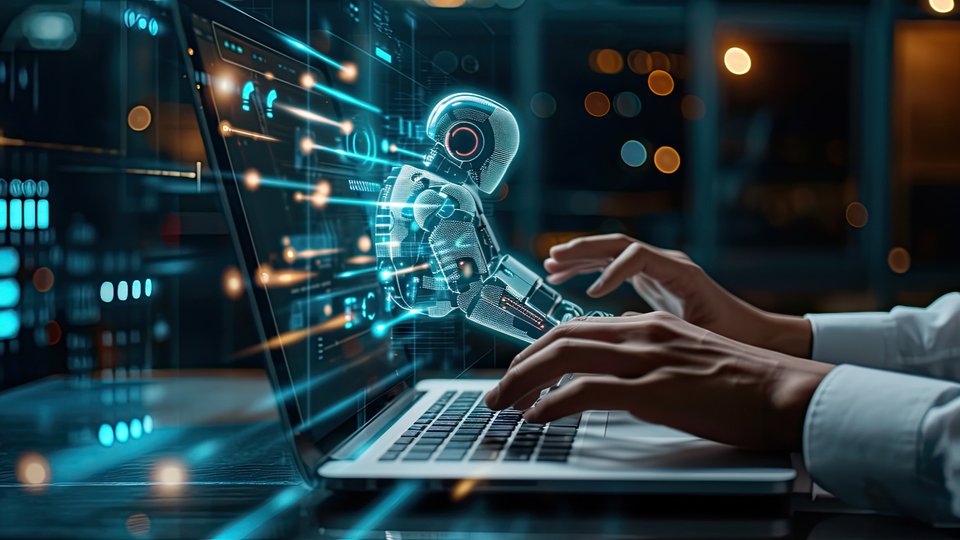
Best Practices for Effective Human-AI Teamwork
Implementing tips for managing human ai collaboration involves more than just deploying software. It requires thoughtful planning, ongoing communication, and a willingness to adapt. Here are several best practices to consider:
1. Define Roles and Responsibilities Clearly
Ambiguity can lead to confusion and inefficiency. Clearly outline which tasks are best handled by AI and which require human oversight. For example, AI might generate reports or analyze data, while humans interpret results and make final decisions. Documenting these boundaries ensures everyone knows where their contributions fit.
2. Foster Open Communication
Encourage team members to share feedback about their experiences working with AI systems. Regular check-ins can surface challenges, misunderstandings, or opportunities for improvement. This dialogue also helps build trust and reduces the likelihood of resistance to new tools.
3. Invest in Training and Upskilling
Continuous learning is essential as technology evolves. Offer training sessions that teach employees how to use new AI tools effectively and understand their limitations. Upskilling not only boosts confidence but also empowers staff to identify new ways to leverage AI in their roles.
4. Prioritize Ethical Considerations
AI systems can introduce risks related to bias, privacy, and transparency. Establish guidelines for responsible use, and ensure that both humans and machines are held to high ethical standards. Encourage employees to flag concerns and participate in discussions about responsible AI practices.
5. Monitor and Adjust Workflows
Collaboration between people and AI is not static. Regularly review processes to identify bottlenecks, inefficiencies, or areas where roles should shift. Be open to iterating on workflows as both technology and team needs change over time.
Encouraging a Culture of Collaboration and Innovation
Building a culture that embraces both human and AI contributions is key to long-term success. Leaders should model openness to new ideas and encourage experimentation. Recognize and celebrate examples where collaboration leads to better outcomes, whether it’s increased efficiency, improved customer service, or innovative solutions.
Transparency about how AI systems make decisions can also foster trust. Whenever possible, choose tools that provide explanations for their outputs, and involve employees in evaluating these results. This approach helps demystify AI and positions it as a partner rather than a black box.
Addressing Common Challenges in Human-AI Collaboration
Despite the benefits, integrating AI into teams can present challenges. Some of the most common include:
- Resistance to Change: Employees may worry about job security or feel overwhelmed by new technology. Address these concerns through transparent communication and by highlighting how AI can make work more meaningful.
- Skill Gaps: Not everyone is comfortable with advanced technology. Provide ongoing support and resources to help all team members adapt.
- Data Quality Issues: AI systems are only as good as the data they receive. Invest in data management practices to ensure reliable, unbiased inputs.
- Ethical and Compliance Risks: Stay informed about regulations and best practices to avoid unintended consequences.
For more insights into the broader impact of AI on workplace dynamics, see the article on impact of ai on remote work culture.
Leveraging External Resources and Industry Guidance
Staying up to date with industry trends and expert advice can help organizations refine their approach. For those new to AI, resources like a beginner’s guide to using AI in small business offer practical tips and foundational knowledge. Learning from others’ experiences can accelerate adoption and help avoid common pitfalls.
FAQ: Managing Human-AI Collaboration in the Workplace
What are the main benefits of combining human skills with AI in teams?
Blending human expertise with AI capabilities allows organizations to automate routine tasks, analyze large datasets quickly, and make more informed decisions. This combination can lead to increased productivity, better accuracy, and more creative problem-solving.
How can leaders encourage employees to embrace AI tools?
Leaders should communicate the value of AI clearly, involve employees in the adoption process, and provide training to build confidence. Recognizing successes and addressing concerns openly also helps foster a positive attitude toward new technology.
What steps can organizations take to ensure ethical use of AI?
Establishing clear guidelines, monitoring AI outputs for bias, and involving diverse stakeholders in decision-making are key. Regular audits and transparency about how AI systems work further support responsible use.
Conclusion: Building Stronger Teams with Human-AI Synergy
Successfully managing the intersection of people and intelligent systems requires more than technical know-how. By applying these tips for managing human ai collaboration, organizations can create environments where both humans and AI thrive. Focus on clear communication, ongoing learning, and ethical practices to ensure that your team is prepared for the future of work.