

Understanding cognitive computing for business is becoming essential as organizations seek to leverage artificial intelligence for smarter decision-making, automation, and competitive advantage. As digital transformation accelerates, business leaders need a practical grasp of how cognitive technologies work, their core benefits, and the best ways to implement them to solve real-world challenges.
Cognitive computing refers to systems that mimic human thought processes to analyze data, recognize patterns, and make informed decisions. Unlike traditional automation, these systems can learn, adapt, and interact naturally with users, opening up new possibilities for efficiency and innovation. For those exploring AI applications in logistics, operations, or customer experience, resources like the how to use ai for fleet management optimization guide offer valuable insights into practical deployment.
What Is Cognitive Computing and Why Does It Matter?
Cognitive computing combines elements of artificial intelligence, machine learning, natural language processing, and data analytics to create systems that can process vast amounts of information in ways similar to the human brain. These systems are designed to interpret unstructured data, understand context, and provide recommendations or automate tasks based on learned insights.
For business leaders, the importance of cognitive computing lies in its ability to:
- Enhance decision-making by analyzing complex datasets and identifying actionable patterns.
- Automate repetitive or data-intensive tasks, freeing up employees for higher-value work.
- Improve customer experiences through personalized interactions and faster response times.
- Drive innovation by uncovering new opportunities and optimizing business processes.
The shift from rule-based automation to adaptive, learning-based systems marks a significant evolution in how organizations operate and compete.
Key Components of Cognitive Computing in Modern Enterprises
To fully appreciate understanding cognitive computing for business, it’s helpful to break down the main components that power these intelligent systems:
- Machine Learning (ML): Algorithms that enable systems to learn from data, improve over time, and make predictions or classifications without explicit programming.
- Natural Language Processing (NLP): Technology that allows computers to understand, interpret, and respond to human language, enabling more natural interactions between people and machines.
- Automated Reasoning: The ability to simulate human reasoning by drawing logical conclusions from available information.
- Data Integration and Analytics: Combining structured and unstructured data from multiple sources to generate holistic insights.
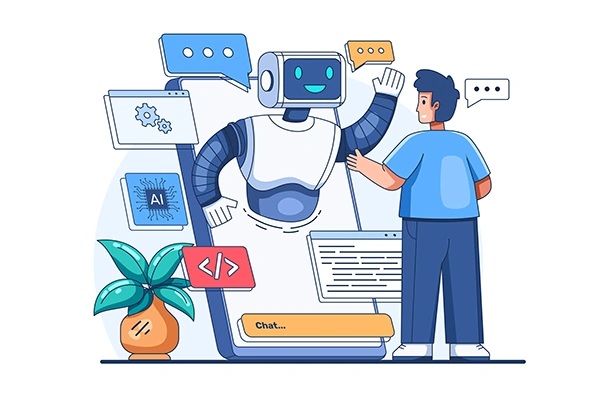
Real-World Applications for Business Leaders
Organizations across industries are already leveraging cognitive computing to solve a range of business challenges. Here are some practical examples:
- Customer Support Automation: AI-powered chatbots and virtual assistants use NLP to answer customer queries, resolve issues, and provide 24/7 support, reducing wait times and improving satisfaction.
- Predictive Analytics in Operations: Machine learning models forecast demand, optimize supply chains, and reduce operational risks by analyzing historical and real-time data.
- Personalized Marketing: Cognitive systems analyze customer behavior and preferences to deliver tailored recommendations, increasing engagement and conversion rates.
- Risk Management: Automated reasoning helps financial institutions detect fraud, assess creditworthiness, and comply with regulatory requirements.
For those interested in sector-specific use cases, the guide to ai for travel and hospitality explores how cognitive technologies are transforming customer experiences and operational efficiency in service industries.
Benefits of Embracing Cognitive Technologies
The adoption of cognitive computing offers several advantages for organizations willing to invest in these advanced systems:
- Increased Efficiency: Automation of routine tasks reduces manual effort and operational costs.
- Better Decision-Making: Data-driven insights support more informed and timely business decisions.
- Scalability: Cognitive systems can handle growing data volumes and complexity as businesses expand.
- Competitive Edge: Early adopters can differentiate themselves through innovation, agility, and superior customer service.

Challenges and Considerations for Implementation
While the benefits are clear, integrating cognitive computing into business operations comes with its own set of challenges:
- Data Quality: Effective cognitive systems require access to accurate, relevant, and well-organized data.
- Change Management: Employees may need training and support to adapt to new workflows and technologies.
- Ethical and Regulatory Concerns: Organizations must address issues related to data privacy, transparency, and algorithmic bias.
- Integration with Legacy Systems: Ensuring compatibility with existing IT infrastructure can be complex and resource-intensive.
To overcome these hurdles, it’s important to start with clear objectives, involve stakeholders early, and prioritize pilot projects that deliver measurable value.
Best Practices for Business Leaders Adopting Cognitive Solutions
Business leaders can maximize the impact of cognitive computing by following these practical steps:
- Define Clear Goals: Identify specific business problems that cognitive technologies can address, such as improving customer service or streamlining operations.
- Start Small: Launch pilot projects to test solutions, measure outcomes, and refine approaches before scaling up.
- Foster Collaboration: Encourage cross-functional teams to share knowledge and align on objectives.
- Invest in Training: Equip employees with the skills needed to work alongside AI-driven systems.
- Monitor and Optimize: Continuously assess system performance and make adjustments to improve results.
For further reading on how AI-driven solutions can enhance efficiency, the article on AI efficiency for small business provides additional strategies and real-world examples.
Future Trends in Cognitive Computing for Enterprises
As cognitive computing matures, several trends are shaping its future in the business world:
- Greater Personalization: AI systems will deliver even more tailored experiences for customers and employees.
- Integration with IoT: Cognitive technologies will increasingly connect with sensors and devices to enable smarter automation and real-time insights.
- Enhanced Collaboration: AI-powered tools will facilitate better teamwork and knowledge sharing across organizations.
- Focus on Explainability: There will be a growing emphasis on making AI decisions transparent and understandable to build trust and meet regulatory requirements.
Staying informed about these developments will help business leaders anticipate opportunities and challenges as they navigate the evolving landscape of digital transformation.
FAQ: Cognitive Computing for Business Decision-Makers
How does cognitive computing differ from traditional AI?
While both cognitive computing and traditional AI use algorithms to process data, cognitive systems are designed to simulate human thought processes, learn from experience, and interact naturally with users. This enables them to handle unstructured data, adapt to new information, and provide more context-aware recommendations.
What are the first steps to implementing cognitive solutions in my organization?
Begin by identifying a specific business challenge that could benefit from automation or advanced analytics. Assemble a cross-functional team, gather relevant data, and consider launching a pilot project to test the technology’s effectiveness before scaling up.
What industries benefit most from cognitive computing?
Industries such as finance, healthcare, retail, logistics, and hospitality are seeing significant gains from cognitive technologies. These sectors often deal with large volumes of data and require rapid, informed decision-making, making them ideal candidates for AI-driven solutions.
By embracing cognitive computing, business leaders can unlock new efficiencies, drive innovation, and position their organizations for long-term success in an increasingly digital world.