
Effective collaboration between agencies and clients is essential for building a strong, consistent brand presence. However, aligning on brand strategy, visual identity, and messaging can be challenging without the right resources. Branding tools for agencies and clients play a crucial role in streamlining communication, ensuring consistency, and accelerating the creative process. By leveraging the right platforms and resources, both parties can work together more efficiently and achieve better results.
Whether you’re a creative agency managing multiple brands or a business owner aiming to maintain a cohesive image, understanding which tools facilitate alignment is key. This article explores essential solutions, from design kits to collaborative platforms, that help bridge the gap between creative teams and stakeholders.
For those interested in boosting their brand’s digital presence, learning how to improve brand engagement on social platforms can further enhance alignment efforts and audience connection.
Why Alignment Matters in Brand Development
When agencies and their clients are on the same page, the result is a unified brand message that resonates across all touchpoints. Misalignment can lead to inconsistent visuals, off-brand messaging, and wasted resources. Using branding tools for agencies and clients helps to:
- Establish a shared understanding of brand values and goals
- Maintain visual and verbal consistency
- Speed up feedback and approval processes
- Reduce costly revisions and misunderstandings
By adopting collaborative solutions, teams can ensure every campaign, asset, and communication reflects the intended identity.
Essential Collaborative Branding Platforms
Modern branding relies on digital tools that support real-time collaboration, asset management, and feedback. Here are some of the most effective platforms for agencies and their clients:
Brand Guidelines and Asset Management
Centralizing brand guidelines and assets is fundamental for consistency. Platforms like Frontify, Bynder, and Brandfolder allow teams to store logos, color palettes, typography, and templates in one accessible location. These solutions make it easy for both agencies and clients to:
- Access up-to-date brand assets anytime
- Share guidelines with internal and external partners
- Reduce the risk of using outdated or incorrect materials
Design Collaboration and Feedback
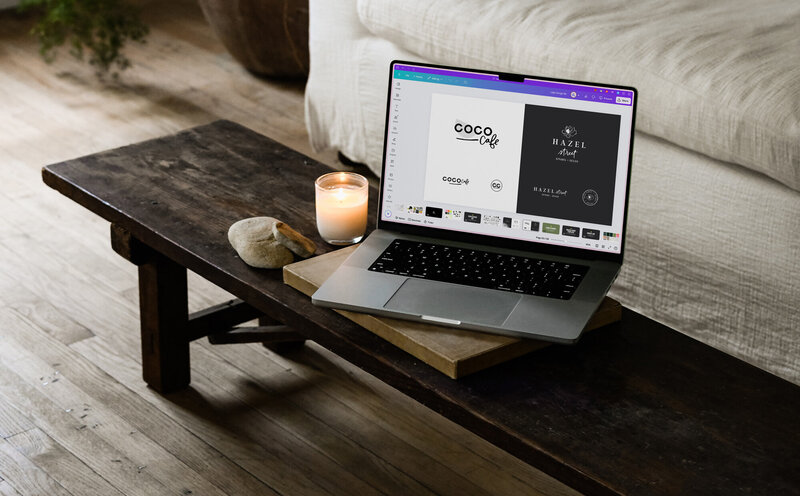
Visual feedback and co-creation are at the heart of successful branding projects. Tools like Figma, Adobe Creative Cloud, and Canva for Teams enable real-time design collaboration. These platforms offer features such as:
- Live commenting and annotation on designs
- Version control to track changes and iterations
- Easy sharing of prototypes and mockups with stakeholders
With these resources, agencies and clients can quickly iterate on ideas and ensure everyone’s input is considered before finalizing assets.
Streamlining Communication and Approvals
Clear communication is vital for keeping branding projects on track. Project management and communication platforms like Slack, Trello, and Asana help organize tasks, track progress, and centralize discussions. These tools are especially valuable for:
- Assigning responsibilities and deadlines
- Managing feedback loops and approvals
- Documenting decisions for future reference
By integrating these solutions, teams minimize email overload and ensure that all feedback and approvals are captured in one place.
Visual Identity Kits and Templates
Ready-made design kits and templates are a practical way to maintain brand consistency, especially when multiple people are creating assets. These kits typically include logo variations, color palettes, typography guidelines, and sample layouts. They empower both agencies and clients to:
- Produce on-brand materials quickly
- Reduce the learning curve for new team members
- Ensure every piece of content aligns with the brand’s identity
For those looking to create a visual identity from scratch, learning how to create a professional logo or how to choose a brand color palette can be a great starting point.
Best Practices for Using Branding Tools Effectively
To get the most out of these resources, agencies and clients should follow a few best practices:
- Define Clear Objectives: Before selecting any tool, clarify the project’s goals, target audience, and desired outcomes.
- Choose User-Friendly Platforms: Opt for solutions that are intuitive for both creative professionals and non-designers.
- Establish Roles and Permissions: Set up access controls to ensure the right people can edit, comment, or view assets as needed.
- Document Decisions: Use project management tools to track feedback, approvals, and changes throughout the process.
- Regularly Update Guidelines: Keep brand guidelines and asset libraries current as the brand evolves.
Following these steps ensures that branding tools become an asset rather than a source of confusion.
Additional Resources to Support Brand Alignment
Beyond the core platforms, there are many specialized resources that can help agencies and clients stay aligned:
- Brand Monitoring Tools: Platforms that track brand mentions and reputation online help ensure messaging remains consistent. Learn more about how to track brand mentions online and how to monitor brand reputation to prevent crises.
- Educational Guides: Comprehensive guides and articles, such as top tools for getting started with brand design, offer valuable insights for both agencies and clients.
- Workshops and Training: Regular training sessions ensure everyone understands the brand’s vision and how to use the tools provided.
Common Challenges and How to Overcome Them
Even with the best branding tools for agencies and clients, challenges can arise. Some common issues include:
- Resistance to Change: Team members may be hesitant to adopt new platforms. Address this by providing training and highlighting the benefits.
- Information Overload: Too many tools can lead to confusion. Streamline your toolkit and ensure everyone knows which platforms to use for specific tasks.
- Inconsistent Usage: Regularly review how tools are being used and reinforce best practices to maintain alignment.
Open communication and a willingness to adapt are key to overcoming these obstacles.
FAQ: Branding Tools and Agency-Client Collaboration
What are the most important features to look for in branding platforms?
Look for solutions that offer centralized asset management, real-time collaboration, version control, and easy sharing of guidelines. User-friendly interfaces and robust permission settings are also essential for smooth teamwork.
How can agencies ensure clients use brand assets correctly?
Providing clear, accessible brand guidelines and using asset management platforms helps clients understand how to apply logos, colors, and typography. Regular check-ins and feedback sessions further reinforce correct usage.
Are there free tools available for brand alignment?
Yes, many platforms offer free tiers or trials. Tools like Canva, Trello, and Google Drive can be used for basic collaboration and asset sharing. However, investing in dedicated branding solutions often yields better long-term results for growing brands.
Conclusion
Aligning agencies and clients on brand identity is essential for building a memorable and effective presence. By leveraging branding tools for agencies and clients—from asset management platforms to collaborative design kits—teams can streamline workflows, reduce miscommunication, and ensure every touchpoint reflects the brand’s vision. Prioritizing clear objectives, user-friendly solutions, and ongoing education will help both agencies and clients achieve lasting success in their branding efforts.