
In today’s digital-first world, branding tools for online businesses are essential for standing out in a crowded marketplace. Whether you’re launching a new e-commerce store or scaling an established brand, the right set of resources can help you maintain consistency, build trust, and adapt to evolving trends. With competition just a click away, leveraging effective branding solutions is no longer optional—it’s a necessity for long-term relevance and growth.
From logo creation and color palette selection to brand monitoring and digital asset management, a robust toolkit empowers businesses to communicate their values and personality at every touchpoint. If you’re unsure where to start, or want to ensure your current approach is up to date, this guide will walk you through the most impactful tools and strategies available today.
Before diving into specific solutions, it’s crucial to understand the foundation of a strong brand identity. For those looking to refine their visual presence, our resource on how to choose a brand color palette offers actionable tips for selecting colors that convey trust and credibility.
Why Consistent Branding Matters for Digital Success
Consistency is the backbone of memorable brands. When customers encounter your business online—whether on your website, social media, or in email campaigns—they should instantly recognize your look, tone, and values. This familiarity builds trust, encourages repeat business, and differentiates you from competitors.
However, maintaining brand consistency across multiple platforms and channels can be challenging. That’s where branding tools for online businesses come into play. These resources streamline everything from design to messaging, ensuring your business stays recognizable and relevant as trends shift and your audience grows.
Essential Branding Tools Every Online Business Should Use
Let’s explore the core categories of branding tools that help digital businesses stay ahead:
1. Logo and Visual Identity Generators
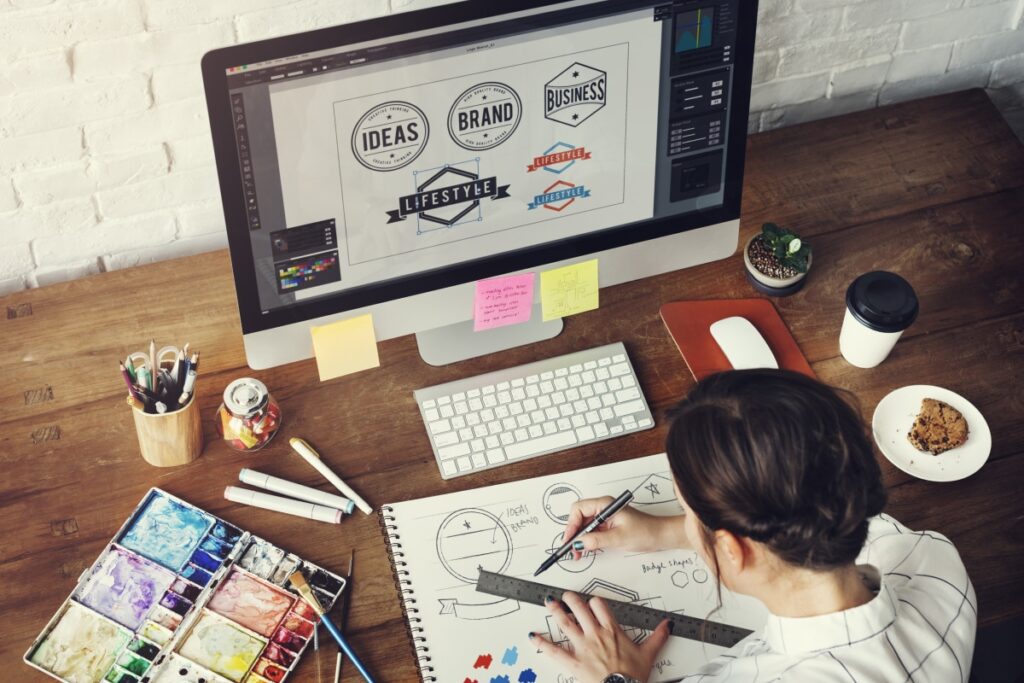
Your logo is often the first impression customers have of your business. Online logo makers and design platforms allow even non-designers to create professional, scalable logos that reflect your brand’s personality. These tools often include templates, icon libraries, and customization options to ensure your visual identity is unique and adaptable.
For a deeper dive into creating a strong visual mark, check out our guide on how to create a professional logo without design experience.

2. Color Palette and Typography Tools
Color and typography are key elements that influence how your brand is perceived. Online color palette generators help you select harmonious color schemes that evoke the right emotions, while font pairing tools ensure your typography is both readable and on-brand. These solutions often provide previews, accessibility checks, and export options for easy integration across your digital assets.
3. Brand Voice and Messaging Platforms
Beyond visuals, your brand’s voice shapes how customers connect with you. Messaging tools and content guidelines platforms help you define and maintain a consistent tone across all communications. Whether you’re writing product descriptions, social posts, or customer support replies, these resources keep your messaging aligned with your core values and audience expectations.
If you’re looking to refine your communication style, our article on how to develop a brand voice offers practical steps for building a voice your audience will love.
4. Brand Monitoring and Reputation Management
Staying relevant means knowing what people are saying about your business online. Brand monitoring tools track mentions across social media, review sites, and news outlets, alerting you to both positive feedback and potential issues. This enables you to respond quickly, manage your reputation, and adapt your strategy based on real-time insights.
For more on this topic, see our guide on how to track brand mentions online and take control of your narrative.
5. Digital Asset Management Solutions
As your brand grows, so does the volume of logos, images, videos, and documents you need to manage. Digital asset management (DAM) platforms provide a centralized hub for storing, organizing, and sharing brand assets. This ensures every team member and partner uses the correct, up-to-date materials, reducing the risk of off-brand content appearing online.
6. Website and Social Media Branding Tools
Your website and social profiles are often the primary touchpoints for potential customers. Website builders and social media management platforms offer templates, scheduling, and analytics features that help you maintain a cohesive brand presence across channels. These tools make it easier to update visuals, monitor engagement, and ensure your messaging is consistent everywhere your audience interacts with you.
How to Choose the Right Branding Solutions for Your Business
With so many options available, selecting the best tools can feel overwhelming. Here are some practical steps to guide your decision:
- Assess your current brand assets: Identify gaps in your visual identity, messaging, and asset management.
- Prioritize features that align with your goals: For example, if you’re focused on social growth, prioritize scheduling and analytics tools.
- Look for integrations: Choose solutions that work seamlessly with your existing platforms (e.g., e-commerce, CRM, or email marketing).
- Consider scalability: Opt for tools that can grow with your business, supporting additional users, assets, or channels as needed.
- Test usability: A tool is only valuable if your team can use it efficiently. Many platforms offer free trials or demos—take advantage of these before committing.
Keeping Your Brand Fresh and Adaptable
Staying relevant isn’t just about consistency—it’s also about adaptability. As trends shift and customer expectations evolve, regularly auditing your brand strategy is essential. This includes updating your visuals, refining your messaging, and exploring new channels or formats.
For a step-by-step approach to evaluating your brand’s performance, our resource on how to audit your brand identity provides a comprehensive checklist.
Additionally, staying informed about the latest digital branding practices can give you a competitive edge. For a broader overview, this quick guide to digital branding services outlines current trends and best practices for online businesses.
FAQ: Branding Tools and Online Business Relevance
What are the most important branding tools for small online businesses?
For small businesses, the essentials include a logo maker, color palette generator, brand guidelines platform, and a social media management tool. These resources help establish a consistent identity and streamline content creation, even with limited resources.
How often should I update my brand assets and messaging?
It’s wise to review your brand assets and messaging at least once a year, or whenever you launch a new product, enter a new market, or notice shifts in customer preferences. Regular updates ensure your brand remains fresh and aligned with your business goals.
Can branding tools help improve customer trust?
Absolutely. Consistent use of visual and messaging tools reinforces your professionalism and reliability, which builds trust with your audience. When customers recognize your brand and know what to expect, they’re more likely to engage and recommend your business.
How do I measure the effectiveness of my branding strategy?
Track metrics such as brand awareness, customer engagement, website traffic, and sentiment analysis. Brand monitoring tools and analytics platforms can provide insights into how your audience perceives your business and where improvements can be made.
Conclusion
In the fast-paced digital landscape, leveraging branding tools for online businesses is key to maintaining relevance and driving growth. By investing in the right solutions—spanning design, messaging, monitoring, and asset management—you can ensure your brand remains consistent, adaptable, and memorable. Regularly reviewing your strategy and staying informed about new tools will help you stand out and thrive, no matter how the online marketplace evolves.