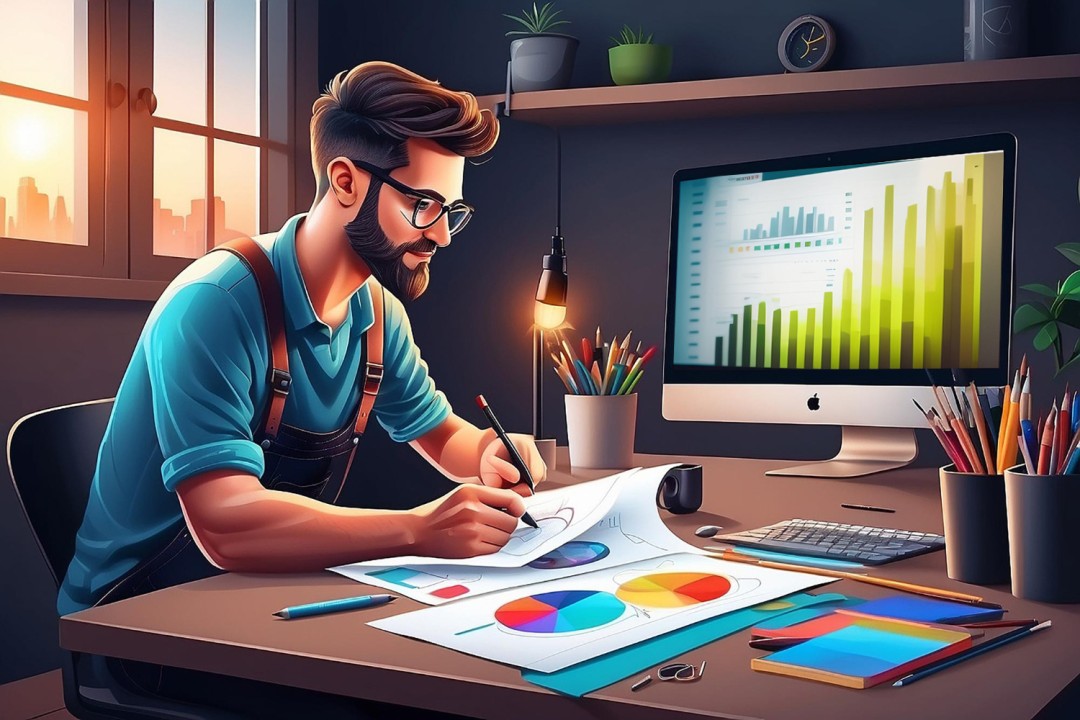

The rapid advancement of artificial intelligence (AI) has sparked widespread discussions across various industries. One pressing question is: Can AI replace graphic designers? As technology continues to evolve, understanding the potential impact of AI on the creative field of graphic design is crucial.
In the digital age, graphic design plays a pivotal role in communication, branding, and marketing. While AI presents exciting opportunities, it also raises concerns about the future of creative professionals. This article delves into the possibilities and limitations of AI in design, offering insights into whether AI can truly replicate the unique skills and creativity of human designers.
The Intersection of AI and Graphic Design
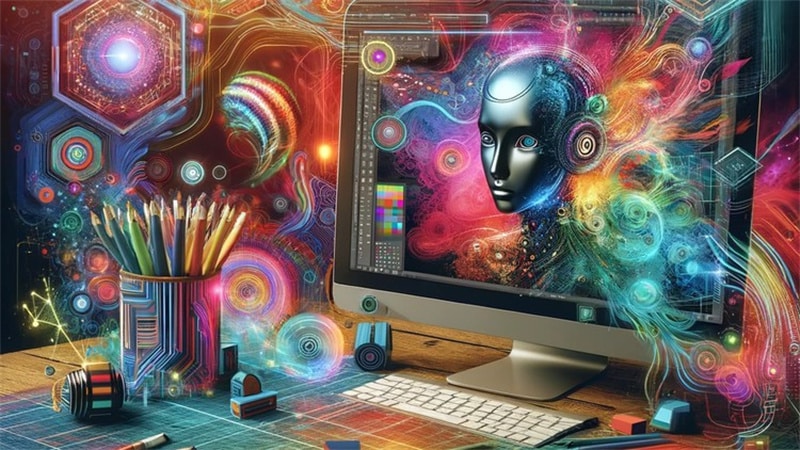
Artificial intelligence has already made significant strides in the design industry. From automated design tools to AI-driven design software, technology is reshaping how designers work. AI algorithms can analyze vast amounts of data and generate designs based on user input, saving time and effort for designers. However, design is not just about efficiency; it’s about creativity, emotion, and storytelling.
Understanding the Role of Creativity
One of the primary arguments against AI replacing graphic designers is the element of creativity. Human designers possess the ability to think outside the box, draw inspiration from diverse sources, and create unique and meaningful designs. AI, on the other hand, operates within predefined parameters and lacks the ability to truly innovate.
AI in Design: Current Capabilities
AI is already being used in various aspects of graphic design. Automated tools can generate logos, layouts, and even entire websites. Platforms like Fotor offer AI-based design solutions that simplify the design process. These tools are particularly useful for small businesses and individuals who may not have the resources to hire professional designers.
AI and Design Efficiency
AI-powered tools can significantly enhance design efficiency by automating repetitive tasks such as resizing images, generating color palettes, and creating templates. This allows designers to focus more on the conceptual and creative aspects of their work.
Limitations of AI in Graphic Design
While AI offers numerous advantages, it also has its limitations. One major drawback is the lack of emotional intelligence. Design is inherently a human-centered discipline that requires empathy, understanding, and the ability to connect with audiences on an emotional level.
The Importance of Human Touch
Designers bring a personal touch to their work, infusing it with their unique style and perspective. This human element is what makes designs resonate with audiences and evoke emotions. AI, despite its advanced capabilities, cannot replicate this personal touch.
The Future of Graphic Design: Collaboration Between AI and Humans
Instead of viewing AI as a threat, many experts believe that it can be a powerful tool for graphic designers. By automating mundane tasks, AI allows designers to focus on creativity and innovation. The future of design lies in collaboration between AI and humans, where technology enhances rather than replaces human creativity.
AI as a Design Assistant
AI can serve as a valuable assistant to designers, providing insights, suggestions, and data-driven recommendations. By leveraging AI, designers can make more informed decisions and create designs that are both aesthetically pleasing and effective.
Real-World Applications of AI in Design
Several companies are already harnessing the power of AI to enhance their design processes. For instance, AI-driven tools are being used to predict design trends and create responsive layouts. Platforms like AI for Responsive Design and AI Predicts Design Trends demonstrate how AI is revolutionizing the design landscape.
AI and Personalization
AI enables highly personalized design experiences by analyzing user behavior and preferences. By understanding individual needs, AI can create tailored designs that enhance user engagement and satisfaction.
Conclusion: The Role of AI in the Future of Design
While AI is undoubtedly transforming the design industry, it is unlikely to fully replace human designers. The unique combination of technical skills, creativity, and emotional intelligence that human designers possess cannot be replicated by AI. Instead, the future of design will be characterized by a harmonious collaboration between AI and humans, where technology complements and enhances human creativity.
As technology continues to evolve, designers must adapt and embrace new tools and techniques. By leveraging the power of AI, designers can push the boundaries of creativity and innovation, ultimately shaping the future of design in exciting and unprecedented ways.
FAQs
Can AI fully replace graphic designers?
While AI can automate certain design tasks, it lacks the creativity and emotional intelligence of human designers. Therefore, AI is unlikely to fully replace graphic designers.
How can designers benefit from AI?
Designers can benefit from AI by using it as a tool to automate repetitive tasks and enhance creativity. AI provides data-driven insights and suggestions that can improve design efficiency and effectiveness.
What are the limitations of AI in design?
AI lacks the ability to understand emotions and connect with audiences on a personal level. It cannot replicate the unique style and perspective that human designers bring to their work.