
Artificial intelligence is transforming the landscape of creative work, reshaping how art, music, design, and media are produced and consumed. As AI-powered tools become more accessible, professionals and organizations are rethinking traditional workflows and exploring new possibilities for creativity and innovation. The impact of AI on creative industries is profound, influencing not only the way content is generated but also how ideas are developed and shared.
From automating repetitive tasks to generating original content, AI is both a catalyst for efficiency and a source of inspiration. However, this rapid evolution also raises important questions about authorship, originality, and the future role of human creativity. By understanding these changes, businesses and creators can better navigate the opportunities and challenges presented by AI-driven innovation.
For those interested in how artificial intelligence is shaping other sectors, you may also want to explore the influence of AI on remote work culture and collaboration, which highlights the broader effects of this technology across industries.
How Artificial Intelligence Is Reshaping Creative Workflows
The integration of AI into creative processes is changing the way professionals approach their craft. In fields such as graphic design, advertising, film, and publishing, machine learning algorithms can automate routine tasks, freeing up time for more complex and imaginative work. For example, AI-powered design platforms can generate multiple layout options in seconds, allowing designers to focus on refining concepts rather than starting from scratch.
In music production, AI tools can compose melodies, suggest chord progressions, and even mimic the styles of famous artists. This not only accelerates the creative process but also enables experimentation that may not have been possible with traditional methods. Similarly, writers and content creators are using AI to brainstorm ideas, generate drafts, and optimize content for different audiences.
AI-Driven Innovation and New Opportunities
The rise of AI in creative sectors is not just about efficiency—it’s also about unlocking new forms of expression and business models. Generative AI systems, such as those that produce images, music, or text, are enabling creators to explore uncharted territory. These technologies can analyze vast datasets, learn from existing works, and produce novel outputs that challenge conventional boundaries.
For startups and small businesses, AI-powered tools offer a competitive edge by reducing costs and expanding creative capabilities. For example, leveraging AI tools for small business efficiency can streamline content creation, marketing, and customer engagement. This democratization of technology allows even those with limited resources to produce high-quality creative work.
In addition, AI is fostering collaboration between humans and machines. Rather than replacing artists or designers, these systems often act as creative partners, suggesting ideas or automating technical details so that people can focus on vision and storytelling.
Challenges and Ethical Considerations in AI-Enhanced Creativity
While the impact of AI on creative industries brings many benefits, it also introduces complex challenges. One major concern is the question of authorship and intellectual property. When an AI system generates a piece of art or music, who owns the rights—the developer, the user, or the AI itself? Legal frameworks are still evolving to address these issues.
Another challenge is the potential for homogenization. As more creators rely on similar AI tools and datasets, there is a risk that outputs may become less diverse or original. Ensuring that AI augments rather than replaces human creativity is essential for maintaining the richness and variety of creative expression.
Ethical considerations also extend to transparency and bias. AI systems can inadvertently perpetuate stereotypes or reinforce existing biases present in their training data. Creators and organizations must be vigilant in monitoring outputs and ensuring that their use of AI aligns with ethical standards.
AI’s Influence Across Different Creative Sectors
The effects of artificial intelligence are visible across a wide range of creative domains:
- Visual Arts: AI-powered image generators and editing tools are enabling artists to experiment with new styles and techniques, while also streamlining processes like photo retouching and color correction.
- Music: Composers and producers are using AI to generate melodies, harmonies, and even lyrics, opening up new possibilities for collaboration and genre-blending.
- Film and Animation: AI is assisting with scriptwriting, storyboarding, and even special effects, making high-quality production more accessible.
- Publishing: Automated content generation and editing tools are helping writers and editors produce articles, books, and marketing materials more efficiently.
- Advertising: AI-driven analytics and creative platforms are enabling marketers to personalize campaigns and optimize content for different audiences.
Balancing Human Ingenuity and Machine Intelligence
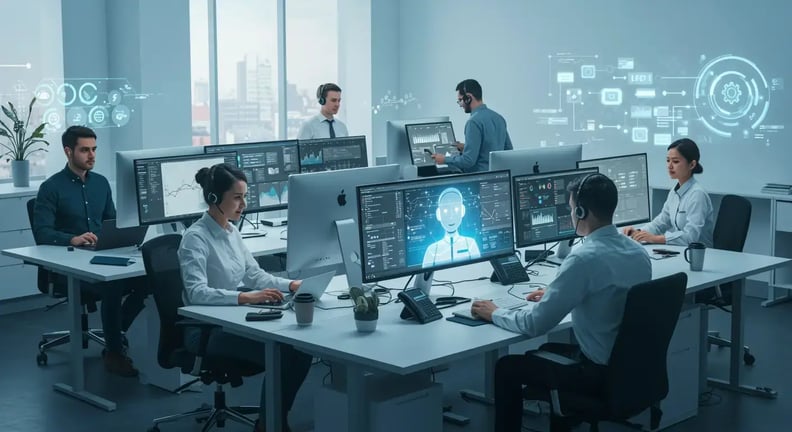
As AI becomes more integrated into creative workflows, the relationship between human ingenuity and machine intelligence is evolving. Many experts believe that the most successful outcomes arise from collaboration, where AI handles repetitive or technical tasks and humans provide direction, emotion, and context.
For example, in design and media production, AI can quickly generate drafts or variations, but the final selection and refinement still rely on human judgment. This partnership allows creators to push boundaries while maintaining authenticity and personal expression.
Organizations that embrace this collaborative approach are more likely to foster innovation and adapt to changing market demands. Those interested in optimizing operational efficiency in other sectors can look into how to use AI for warehouse automation to see how similar principles apply beyond creative fields.
Preparing for the Future of Creative Work
The ongoing evolution of AI means that creative professionals must stay informed and adaptable. Continuous learning, experimentation, and ethical awareness are key to thriving in this new landscape. By leveraging AI as a tool rather than a replacement, creators can enhance their productivity, expand their skillsets, and explore new forms of artistic expression.
Businesses should invest in training and resources that empower teams to use AI responsibly and creatively. This includes understanding the limitations of current technologies, monitoring for bias, and fostering a culture of innovation.
Frequently Asked Questions
How is artificial intelligence changing the creative process?
AI is automating routine tasks, generating new ideas, and enabling creators to experiment with different styles and formats. This allows professionals to focus more on conceptual and strategic aspects of their work while increasing efficiency.
What are the main challenges of using AI in creative industries?
Key challenges include questions around authorship and intellectual property, the risk of homogenized outputs, and ethical concerns such as bias in AI-generated content. Addressing these issues requires clear guidelines and ongoing oversight.
Can AI replace human creativity?
While AI can assist with idea generation and technical execution, it cannot fully replicate human intuition, emotion, or cultural understanding. The best results often come from collaboration between humans and AI systems.
As AI continues to shape creative sectors, staying informed and proactive is essential. Whether you are an artist, business owner, or technologist, understanding the impact of AI on creative industries will help you harness its potential while navigating its challenges.