
Building a strong digital identity is essential for anyone starting a business or personal project online. With so many platforms and resources available, choosing the right online branding tools for beginners can feel overwhelming. The right set of tools can help you create a professional look, maintain consistency, and stand out in a crowded marketplace. This guide breaks down the essentials, offering practical advice and highlighting resources that make the process approachable for newcomers.
Whether you’re launching a small business, developing a personal brand, or simply want to polish your online presence, understanding which tools to use—and how to use them—can make a significant difference. From logo makers to social media schedulers, we’ll explore solutions that are budget-friendly, intuitive, and effective for those just starting out.
For those interested in how artificial intelligence is shaping digital solutions, you might find insights in our article on how to use ai for visual search integration, which explores innovative ways to enhance your brand’s online visibility.
Why Branding Matters for Newcomers
Branding is more than just a logo or a color palette. It’s the sum of every interaction someone has with your business or personal project online. For beginners, investing in branding early on can:
- Build trust and credibility with your audience
- Differentiate you from competitors
- Make your content instantly recognizable
- Support long-term growth and loyalty
Fortunately, you don’t need a design degree or a big budget to get started. Many branding tools for beginners are designed to be user-friendly and affordable, making it possible for anyone to create a cohesive and appealing online presence.
Essential Online Branding Tools for Beginners
Let’s break down the most useful categories and specific tools that help beginners build their brand from scratch.
Logo and Visual Identity Generators
Your logo is often the first thing people notice. Online logo makers offer templates, icons, and customization options that require no design experience. Popular choices include Canva, Looka, and Hatchful by Shopify. These platforms allow you to experiment with different styles, fonts, and color schemes until you find a look that fits your vision.
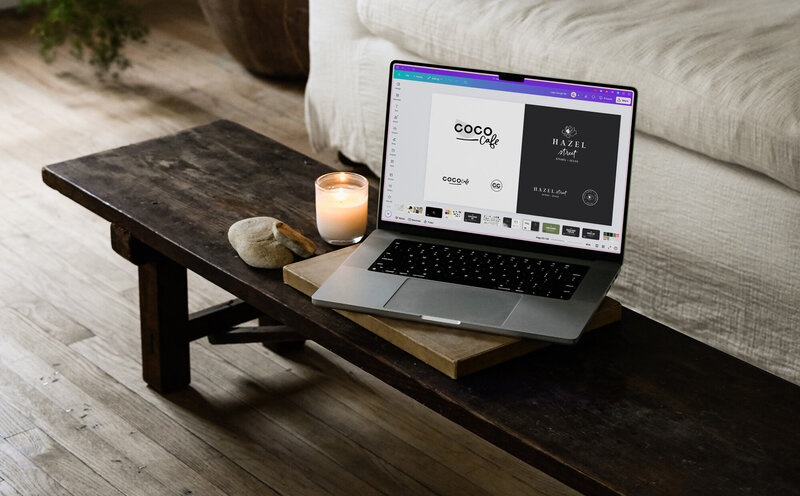
When choosing a logo tool, look for features like high-resolution downloads, transparent backgrounds, and the ability to export in multiple formats. This flexibility ensures your logo will look sharp on websites, social media, and printed materials.
Color Palette and Font Selection Tools
Consistency is key in branding. Using the same colors and fonts across all your materials helps reinforce your identity. Tools like Coolors and Adobe Color make it easy to generate harmonious color schemes, while Google Fonts and FontPair help you choose readable, stylish typefaces that work well together.
Most of these tools offer previews, so you can see how your choices will look in real-world applications. Save your color codes and font selections to use across your website, social profiles, and marketing materials.
Templates for Social Media and Marketing
Maintaining a consistent look on social media can be challenging, especially for beginners. Platforms like Canva and Crello provide thousands of customizable templates for posts, stories, banners, and ads. These templates are designed to be visually appealing and optimized for each platform’s requirements.
By using templates, you can quickly create professional-looking graphics without needing advanced design skills. This is especially helpful when you want to keep your branding consistent across multiple channels.
Content Planning and Scheduling Solutions
Effective branding isn’t just about visuals—it’s also about delivering your message consistently. Content planning tools help you organize your ideas and schedule posts in advance, so you never miss an opportunity to connect with your audience.
Beginner-friendly options like Buffer, Later, and Hootsuite offer drag-and-drop scheduling, analytics, and even basic design features. These tools allow you to plan weeks of content at once, freeing up time for other aspects of your business.
Most scheduling platforms also provide insights into which posts perform best, helping you refine your strategy over time. This data-driven approach is invaluable for beginners who want to learn what resonates with their audience.
Website Builders and Landing Page Creators
Having a dedicated website gives your brand credibility and a home base for all your content. Modern website builders like Wix, Squarespace, and WordPress offer drag-and-drop interfaces, customizable templates, and built-in branding tools. These platforms are designed for users with little to no coding experience, making it easy to launch a polished site quickly.
Look for features such as mobile responsiveness, SEO tools, and integration with social media. These elements ensure your site looks great on any device and is discoverable by search engines.
Brand Asset Management for Beginners
As your brand grows, you’ll accumulate a variety of assets—logos, images, templates, and more. Organizing these files is crucial for maintaining consistency. Free tools like Google Drive or Dropbox allow you to store and share assets with collaborators. Some branding platforms even offer built-in asset libraries, making it easy to access everything you need in one place.
Keeping your assets organized saves time and ensures that everyone working on your brand uses the correct files and guidelines.
Learning and Inspiration Resources
For those just starting out, it’s helpful to learn from others and stay updated on best practices. Online communities, YouTube tutorials, and branding blogs offer valuable insights and step-by-step guides. For a curated list of recommended platforms and creative resources, check out this comprehensive roundup of branding tools for new businesses.
Don’t hesitate to experiment and iterate. Branding is an ongoing process, and your style may evolve as you gain experience and feedback from your audience.
Tips for Maximizing Your Branding Toolkit
- Start simple: Focus on the basics—logo, colors, and fonts—before expanding to more advanced tools.
- Stay consistent: Use the same visual elements across all platforms for a unified look.
- Leverage templates: Save time and maintain quality by using pre-designed templates for social posts and marketing materials.
- Track your progress: Use analytics to see what’s working and adjust your strategy as needed.
- Keep learning: Follow industry blogs, watch tutorials, and participate in online communities to stay inspired.
Common Mistakes Beginners Should Avoid
While the right tools make branding easier, there are pitfalls to watch out for:
- Overcomplicating your design—simple, clear visuals are often more memorable
- Inconsistent use of colors, fonts, or logos across different platforms
- Neglecting mobile optimization for your website and graphics
- Ignoring feedback from your audience or analytics
Avoiding these mistakes will help you build a brand that’s both professional and adaptable as you grow.
FAQ
What are the most important online branding tools for beginners?
The essentials include a logo maker, color palette generator, font selection tool, social media template platform, and a website builder. These cover the basics of visual identity, content creation, and online presence.
How can I keep my branding consistent across different platforms?
Save your brand assets—such as logos, color codes, and font choices—in a central location. Use templates for social media and marketing materials, and always refer back to your original design guidelines when creating new content.
Do I need to pay for branding tools, or are there free options?
Many tools offer free versions with basic features, which are often sufficient for beginners. As your needs grow, you can consider upgrading to paid plans for more advanced capabilities, but starting with free resources is a great way to learn and experiment.
With the right approach and a toolkit tailored for newcomers, building a memorable and professional brand online is more accessible than ever. Take advantage of intuitive platforms, stay consistent, and don’t be afraid to evolve your style as you gain confidence and experience.