
Developing a consistent and effective presence across digital platforms requires more than just posting at random. Social media content scheduling is a strategic approach that helps brands, businesses, and creators maintain regular engagement, optimize reach, and save valuable time. By planning and organizing posts in advance, teams can ensure messaging stays on track, campaigns are coordinated, and analytics are easier to track and improve.
Whether you manage a small business or oversee a large marketing team, understanding the fundamentals of scheduling posts can make a significant difference in your results. Before diving into the core strategies, it’s worth exploring how automation and artificial intelligence are influencing digital workflows. For example, learning about how to use AI for fleet management optimization can offer insights into process automation that are also relevant for content planning and distribution.
Why Scheduling Content Matters for Social Media Success
Consistency is one of the most important factors in building an online audience. By using a content scheduling approach, you can ensure that your posts go live at optimal times, even when your team is offline. This not only boosts engagement but also allows for better planning around product launches, seasonal campaigns, and trending topics.
Additionally, scheduling helps avoid last-minute rushes and reduces the risk of errors. It allows teams to review, edit, and approve content in advance, ensuring that messaging aligns with brand guidelines and current goals. For organizations managing multiple accounts or collaborating across departments, a structured calendar is essential for coordination.
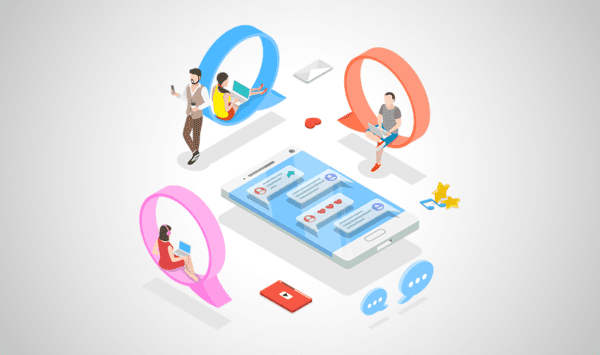
Key Elements of an Effective Scheduling Strategy
To get the most out of social media content scheduling, it’s important to develop a clear and repeatable process. Here are some essential components to consider:
- Content Calendar: A visual calendar helps map out upcoming posts, campaigns, and themes. It provides a clear overview of what’s being published and when.
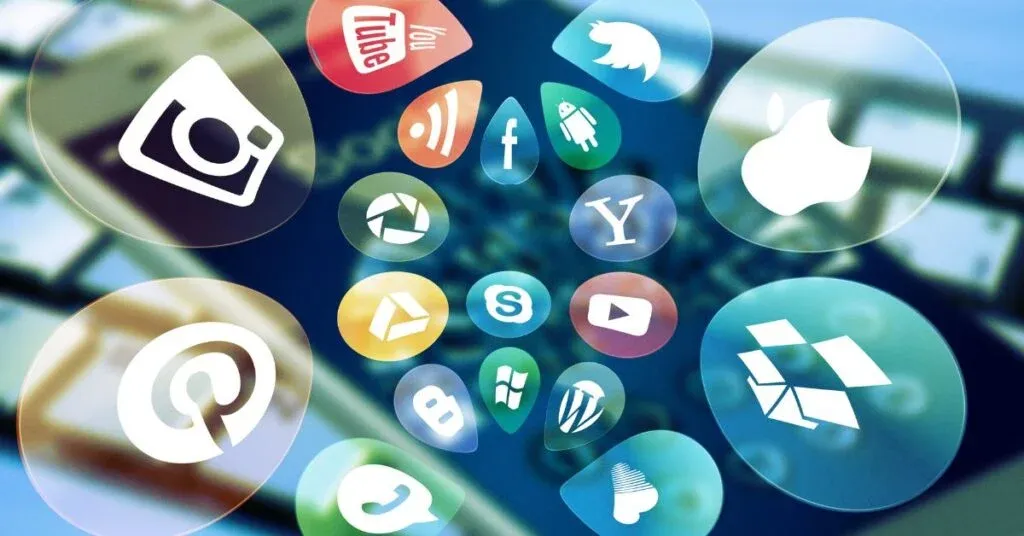
- Platform-Specific Timing: Each social network has its own peak engagement periods. Research when your audience is most active on platforms like Instagram, Facebook, Twitter, and LinkedIn, and schedule accordingly.
- Content Variety: Mix up your posts with different formats—images, videos, stories, polls, and articles—to keep your audience interested and engaged.
- Approval Workflows: For teams, having a review and approval process ensures quality and consistency before anything goes live.
- Analytics Integration: Use scheduling tools that offer analytics so you can track performance and adjust your strategy based on what works best.
Choosing the Right Tools for Planning and Automation
There are many platforms designed to help with scheduling and automation. The best tool for your needs depends on the size of your team, the number of accounts you manage, and the features you require. Popular options include Hootsuite, Buffer, Sprout Social, and native scheduling features built into platforms like Facebook and Instagram.
When evaluating tools, look for features such as bulk upload, drag-and-drop calendar views, analytics dashboards, and team collaboration options. Some platforms also offer AI-powered recommendations for optimal posting times and content suggestions, making it easier to maximize reach.

Best Practices for Scheduling Posts Across Platforms
While the principles of content scheduling are similar across networks, each platform has its own nuances. Here are some practical tips to keep in mind:
- Tailor Content for Each Platform: Avoid copying and pasting the same message everywhere. Adapt your tone, format, and visuals for each network’s audience and requirements.
- Monitor and Adjust: Scheduling is not a set-and-forget process. Regularly review analytics to see what’s working and make adjustments to your calendar as needed.
- Plan for Flexibility: While it’s important to have a plan, leave room for spontaneous posts or timely responses to trending topics and events.
- Stay Compliant: Make sure your scheduled content adheres to platform policies and local regulations, especially if you’re running promotions or contests.
- Engage in Real Time: Scheduled posts help maintain consistency, but real-time engagement—replying to comments, joining conversations, and sharing live updates—remains vital for building relationships.
Optimizing Your Content Mix and Posting Frequency
Striking the right balance between promotional, educational, and entertaining content is key to keeping your audience engaged. Many experts recommend the 80/20 rule: 80% of your posts should provide value, while 20% can be promotional. Varying your content types—such as images, videos, infographics, and stories—also helps maintain interest.
Posting frequency depends on your audience and platform. For example, Twitter supports higher volumes of posts per day, while LinkedIn and Facebook may require a more measured approach. Test different frequencies and monitor engagement metrics to find the sweet spot for your brand.
For a deeper dive into the types of posts that perform well, check out this comprehensive guide to social media content types.
Coordinating Teams and Managing Workflows
If you work with a team, clear communication and defined roles are essential. Use your scheduling tool’s collaboration features to assign tasks, set deadlines, and manage approvals. Regular check-ins help keep everyone aligned and ensure that your calendar reflects current priorities.
Documenting your workflow—from content creation to scheduling and reporting—makes it easier to onboard new team members and maintain consistency as your strategy evolves.
Measuring Results and Refining Your Approach
The best scheduling strategies are data-driven. Review your analytics regularly to identify which posts and times generate the most engagement, clicks, and conversions. Use these insights to refine your calendar, experiment with new formats, and adjust your posting times.
Remember, trends and algorithms change frequently. Stay informed about platform updates and be ready to adapt your approach as needed.
Frequently Asked Questions
What is the main benefit of scheduling social media content in advance?
Planning posts ahead of time ensures consistency, saves time, and allows for better coordination of campaigns. It also helps teams avoid last-minute errors and ensures that content aligns with brand messaging and goals.
How far in advance should I schedule my posts?
Many organizations plan their content calendars one month in advance, but the ideal timeframe depends on your workflow and industry. Some brands schedule a week ahead to allow for flexibility, while others plan quarterly for major campaigns.
Can I automate engagement as well as posting?
While automation tools can schedule posts and even suggest optimal times, genuine engagement—such as replying to comments and messages—should be handled by real people to maintain authenticity and build trust with your audience.