

Building a recognizable and consistent brand online is essential for businesses of all sizes. The process may appear seamless to end users, but there is a sophisticated system powering these platforms. Understanding how online branding tools work behind the scenes helps marketers, entrepreneurs, and designers make informed decisions about which solutions best fit their needs and how to maximize their impact.
From automated logo generators to brand asset management systems, these digital solutions combine design, technology, and data to streamline brand creation and management. Before diving into the technical layers, it’s helpful to explore related innovations in digital marketing, such as how to use ai for visual search integration, which further enhance online brand visibility.
The Core Components of Digital Branding Platforms
Modern branding platforms are more than just logo makers. They integrate multiple functions to help businesses maintain a cohesive identity across channels. Here’s a breakdown of the main elements that power these tools:
- Design Automation Engines: These use templates, AI, and machine learning to generate logos, color palettes, and typography that align with a brand’s personality.
- Asset Management Systems: Centralized libraries store and organize logos, images, fonts, and guidelines, ensuring teams always use the correct assets.
- Collaboration Features: Real-time editing, feedback, and approval workflows allow teams and stakeholders to work together efficiently, even remotely.
- Brand Consistency Checkers: Automated tools scan for inconsistencies in color, font, and logo usage across digital assets, flagging errors before they go live.
- Analytics and Reporting: Data dashboards track asset usage, engagement, and brand reach, informing future branding decisions.
How Online Branding Tools Work: The Technology Stack
To understand the inner workings of these solutions, it’s important to look at the technology stack that powers them. At the core, most platforms combine several technologies:
- Cloud Infrastructure: Assets and user data are stored securely in the cloud, enabling access from anywhere and supporting collaboration.
- AI and Machine Learning: Algorithms analyze user inputs, suggest design improvements, and automate repetitive tasks like resizing images or generating brand guidelines.
- APIs and Integrations: Branding tools often connect with other marketing and design platforms, such as social media schedulers or website builders, to streamline workflows.
- User Interface (UI) Frameworks: Intuitive dashboards and drag-and-drop editors make it easy for non-designers to create and manage brand assets.
For those new to the field, resources like the best branding software for beginners and amateurs can provide additional insights into choosing the right platform for your needs.
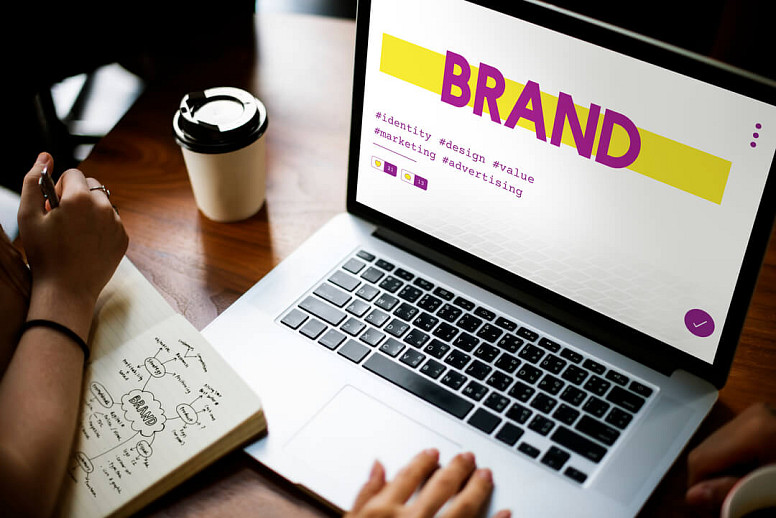
Automation and AI: Streamlining Brand Creation
One of the most significant advances in recent years is the integration of artificial intelligence into branding platforms. Here’s how these systems leverage AI to simplify and enhance the branding process:
- Logo Generation: Users input business names, industry, and style preferences. AI engines generate multiple logo options, adapting colors, fonts, and icons based on best practices and current trends.
- Brand Guidelines Creation: Once a logo and color palette are selected, the tool automatically generates a brand book, outlining correct usage and providing downloadable assets.
- Content Adaptation: AI resizes and reformats assets for different platforms (social media, print, web) while maintaining visual consistency.
- Personalization: Machine learning algorithms learn from user choices, improving future recommendations and design suggestions.
These automated features not only save time but also help maintain a professional and unified brand image across all customer touchpoints.
Ensuring Brand Consistency Across Channels
Maintaining a consistent identity is a common challenge, especially as brands expand across multiple digital platforms. Online branding tools address this by providing:
- Centralized Asset Libraries: All team members access the same up-to-date assets, reducing the risk of outdated or incorrect usage.
- Permission Controls: Admins can set roles and permissions, ensuring only authorized users can edit or approve brand materials.
- Automated Compliance Checks: The system scans for deviations from brand guidelines, alerting users to errors before assets are published.
- Version Tracking: Every change is logged, making it easy to revert to previous versions or audit asset usage over time.
These features are especially valuable for growing businesses, franchises, or organizations with distributed teams. They help ensure that every piece of content, from social posts to presentations, aligns with the brand’s core identity.

Collaboration and Workflow Management
Effective branding is rarely a solo effort. Online tools are designed to support collaboration, making it easier for teams to work together regardless of location. Key features include:
- Real-Time Editing: Multiple users can edit designs simultaneously, with changes visible instantly to all collaborators.
- Feedback and Approval Workflows: Stakeholders can leave comments, suggest edits, and approve assets within the platform, streamlining the review process.
- Task Assignment: Project managers can assign tasks, set deadlines, and track progress, ensuring projects stay on schedule.
These collaborative features help reduce bottlenecks, minimize miscommunication, and speed up the delivery of brand assets.
Analytics: Measuring the Impact of Your Brand
Understanding how your brand assets perform is crucial for ongoing improvement. Many platforms offer analytics dashboards that provide insights such as:
- Asset Usage: Track which logos, images, or templates are most frequently used across campaigns.
- Engagement Metrics: Measure how audiences interact with branded content on different platforms.
- Compliance Reports: Identify where brand guidelines are being followed or overlooked.
By leveraging these insights, businesses can refine their branding strategies, improve consistency, and maximize the return on their branding investments.
Choosing the Right Solution for Your Business
With so many options available, selecting the best platform depends on your business’s size, goals, and technical expertise. Consider the following when evaluating tools:
- Ease of Use: Is the interface intuitive for your team?
- Customization: Can you tailor templates and workflows to fit your brand?
- Integration: Does the tool connect with your existing marketing and design systems?
- Support and Training: Are resources available to help your team get the most from the platform?
For more guidance on integrating technology into marketing, explore related topics such as how to use ai for influencer marketing discovery to see how AI-driven tools are transforming digital branding and outreach.
Frequently Asked Questions
What types of businesses benefit most from online branding tools?
These platforms are valuable for startups, small businesses, agencies, franchises, and large organizations alike. Any company aiming to maintain a consistent digital presence and streamline brand management can benefit from these solutions.
How do these platforms ensure brand consistency?
They centralize brand assets, automate compliance checks, and provide clear guidelines for asset usage. Permission controls and version tracking further help teams stay aligned with the brand’s identity.
Are online branding tools suitable for non-designers?
Yes. Most platforms offer user-friendly interfaces, drag-and-drop editors, and AI-powered suggestions, making it easy for anyone to create and manage professional-quality brand assets without advanced design skills.