

Artificial intelligence has rapidly evolved from handling single data types to integrating multiple forms of information. For companies aiming to stay competitive, understanding multimodal AI for business is becoming essential. This technology enables systems to process and combine data from text, images, audio, video, and more, unlocking new levels of efficiency and insight. In this article, we’ll explore the fundamentals of multimodal AI, its practical uses in business, and how organizations can harness its power for real-world results.
Before diving into the details, it’s important to recognize how this approach differs from traditional AI. While earlier models focused on one type of input—such as text or images—multimodal AI combines several data streams. This allows businesses to automate complex tasks, improve customer experiences, and make smarter decisions. For those interested in leveraging AI for operational improvements, you may also find value in learning how to use AI for fleet management optimization.
What Is Multimodal AI?
Multimodal AI refers to artificial intelligence systems that can interpret and synthesize information from multiple data sources. For example, a multimodal model might analyze a customer’s spoken request, recognize their face from a video feed, and interpret text-based feedback—all at once. This integration mimics human perception, where we naturally combine sights, sounds, and language to understand situations.
The core advantage of this approach is its ability to generate richer, more accurate insights. By leveraging diverse data types, multimodal AI can identify patterns and relationships that single-mode systems might miss. This is particularly valuable for businesses that collect information in various formats, such as retail, healthcare, logistics, and customer service.
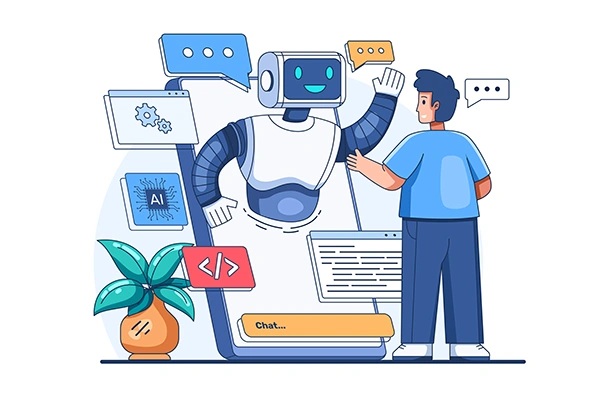
Key Benefits of Multimodal AI in Business
Integrating multimodal AI into business operations offers several significant advantages:
- Enhanced Decision-Making: By combining structured and unstructured data, organizations gain a more comprehensive view of their operations and customers.
- Improved Customer Experience: Multimodal systems can interpret customer queries across channels—voice, chat, and images—delivering more accurate and personalized responses.
- Automation of Complex Tasks: Tasks that once required human judgment, such as quality control or fraud detection, can now be automated with higher accuracy.
- Increased Efficiency: Processing multiple data types simultaneously reduces manual work and accelerates workflows.
- Better Accessibility: Multimodal AI can help businesses serve diverse audiences, including those with disabilities, by interpreting speech, text, and images together.
How Multimodal AI Works: The Technology Behind the Scenes
At its core, multimodal AI uses advanced machine learning models capable of fusing data from different sources. These models are trained on datasets that include combinations of text, images, audio, and video. The system learns to associate and interpret these inputs together, producing more nuanced outputs.
For example, in a retail setting, a multimodal AI might analyze product images, customer reviews, and sales data to recommend inventory changes. In healthcare, it could combine patient records, medical images, and doctor’s notes to assist with diagnosis. The technology relies on neural networks, attention mechanisms, and sophisticated data alignment techniques to ensure that information from each modality is accurately interpreted and integrated.

Practical Examples of Multimodal AI in Action
Businesses across industries are already reaping the benefits of this technology. Here are a few real-world applications:
- Customer Support: Virtual assistants can understand spoken questions, analyze uploaded photos, and read chat messages to resolve issues more efficiently.
- Healthcare Diagnostics: AI systems combine radiology images, lab results, and doctor’s notes to support clinical decisions.
- Retail Analytics: By merging video surveillance, transaction data, and social media feedback, retailers can optimize store layouts and marketing strategies.
- Manufacturing Quality Control: Multimodal models inspect products using images, sensor data, and operator comments to detect defects early.
- Security and Fraud Detection: Financial institutions use multimodal AI to analyze transaction records, voice calls, and video feeds for suspicious activity.
For businesses interested in operational efficiency, exploring how to use AI for warehouse automation can provide additional insights into practical AI deployment.
Challenges and Considerations for Implementation
While the advantages are clear, adopting multimodal AI also presents challenges:
- Data Integration: Collecting and aligning data from multiple sources requires robust infrastructure and careful planning.
- Model Complexity: Training and maintaining multimodal models is more resource-intensive than single-mode systems.
- Privacy and Security: Handling sensitive information from various modalities demands strict compliance with data protection regulations.
- Talent and Expertise: Organizations may need to invest in upskilling teams or hiring specialists in AI and data science.
Despite these hurdles, the long-term benefits often outweigh the initial investment. Businesses that prioritize data quality, ethical AI practices, and continuous learning are best positioned to succeed with this technology.
Getting Started: Steps for Businesses to Embrace Multimodal AI
For organizations looking to implement multimodal AI, a structured approach is key:
- Assess Current Data Assets: Identify the types of data your business collects and determine which combinations could provide the most value.
- Define Clear Objectives: Establish specific goals, such as improving customer service or automating quality checks.
- Choose the Right Tools: Evaluate AI platforms and vendors that support multimodal capabilities and align with your technical requirements.
- Pilot and Iterate: Start with small-scale projects, measure outcomes, and refine your approach based on results.
- Invest in Training: Equip your team with the skills needed to manage and optimize multimodal AI solutions.
For further reading on how AI can drive efficiency for small businesses, consider this comprehensive guide to AI efficiency for small business.
Future Trends: Where Multimodal AI Is Heading
The field of multimodal AI is advancing rapidly. Emerging trends include the integration of even more data types, such as sensor data from IoT devices, and the development of models that can reason and act autonomously. As these technologies mature, businesses will have access to even more powerful tools for automation, analytics, and customer engagement.
Another area of growth is the use of large action models, which not only interpret information but also take actions based on multimodal inputs. This opens the door to smarter automation and more adaptive business processes.
To stay ahead, companies should monitor developments in AI research, invest in scalable infrastructure, and foster a culture of innovation.
FAQ: Multimodal AI in Business
What types of businesses can benefit from multimodal AI?
Nearly any industry that collects and uses multiple forms of data can benefit. This includes retail, healthcare, finance, logistics, manufacturing, and customer service. The key is having access to diverse data sources and clear objectives for improvement.
How does multimodal AI improve customer service?
By combining data from voice, text, and images, AI-powered systems can understand customer needs more accurately and respond faster. This leads to more personalized support, quicker issue resolution, and higher satisfaction.
Is implementing multimodal AI expensive?
Costs vary depending on the complexity of the project and the existing technology stack. While initial investments can be significant, the long-term gains in efficiency, automation, and customer insight often justify the expense. Starting with pilot projects can help manage costs and demonstrate value.